What to eat on Wegovy
Written by: Sunny Dhain MPharmRS PgDip IndP
Date reviewed: 29/11/2023
The thing to get right on Wegovy isn’t which foods to avoid. It’s eating a balanced diet that prioritises nutrient density, protein, fibre, and hydration. Semaglutide suppresses appetite so effectively that plenty of people end up undereating, and body composition data from the STEP trials indicates lean tissue can account for a quarter to nearly half of the weight lost. Protein intake and resistance training are what protect it.
How Wegovy Changes the Way You Eat
Wegovy contains semaglutide, a GLP-1 receptor agonist licensed as an adjunct to a reduced-calorie diet and increased physical activity. Two of its effects shape what you should eat.
It slows gastric emptying, so food sits in your stomach longer and you feel full sooner. That’s also why a large, rich, or hurriedly eaten meal makes you feel sick.
It also reduces appetite and may shifts your food preferences. Research measuring eating behaviour during semaglutide treatment found meal size and rate of eating were the main drivers of reduced intake, and people describe losing interest in energy-dense food rather than fighting it.
So, you’ll eat less without trying which it’s why food quality matters.
Protein: Why Is It Important? What You Need to Know
A consequence of rapid weight loss is a reduction of lean body mass. Importantly, that includes your muscle and bone. Body composition data from the semaglutide and tirzepatide trials suggests lean mass makes up roughly 25–45% of total weight lost. Without enough protein or any resistance work, rapid weight loss would jeopardise your lean mass.
The risk of reduced lean mass can be a reduction in physical strength, bone density and increased risk of sarcopenia.
A 2025 clinical review on optimising GLP-1 therapy recommends protein intake above 1.2g per kg of body weight per day, spread evenly across meals, alongside aerobic activity and structured resistance training. Other clinical sources put the working range at 1.2–1.6g/kg.
For an 85kg adult that’s roughly 100–135g of protein a day, to ensure that you are getting the most out of your protein requirements, here are some suggestions to incorporate into your routine.
- Start off every meal by eating the protein first. Not only would this improve satiety but also ensure you are meeting your protein goal.
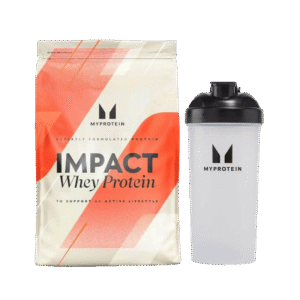
- Pick protein options that are easy, for example: Greek yoghurt, eggs, cottage cheese, tinned fish, chicken, tofu, lentils, beans, legumes, milk, and a protein shake on days when nothing solid appeals.
- Protein sources matter; have a variety of protein sources. You can get protein from both plant and animal-based products. If applicable, strive for majority plant-based sources, to reduced saturated fat intake.
- It’s a Myth that you can’t get your protein for plant-based sources. Just be sure to utilise processing and preparation to ensure the protein is available for your body to absorb.
Resistance training two or three times a week does the other half of the job, because protein won’t preserve muscle that isn’t being used. We’re not talking about a gym membership. Bodyweight exercises, resistance bands and carrying the shopping properly all count.
Please consult health care professional before making dietary changes unsupervised (Needs to be reworded) If you have pre-existing conditions, particularly if you’re over 65, started with low muscle mass, or have any kidney condition that affects how much protein suits you.
Fiber
Fiber intake is an unsung hero of the diet. It is an essential component of the diet. It is a type of carbohydrate that’s aids in stabilizing blood sugar levels, keeping Bowel moving, support heart health and promoting good gut health.
The NHS recommends a minimum average of 30g of fibre per day. This can very slightly depend on age, dietary requirements and health conditions.
Types of Fiber: There 2 types of fibre: soluble and insoluble,
To ensure you are eating a good amount of fibre, here are some quick suggestions:
- Utilized processing for easy forms of fibre, for example, beans, lentils that come in a can, just be cautious that is soaked in water, and not salt water.
- Swap out grains. Aim for less processed alternatives, such as brown, whole grain bread or pasta, or brown rice instead of white.
- Keep the skin on, Foods like apples, pears, and potatoes have retain fibre in the skin, keeping the skin on adds roughage to the diet.
Be sure to slowly increase fibre intake, as introductions of large amounts of fibre can potentially experience some side-effects like, bloating, gas, stomach cramps, and irregular bowel movements. To avoid this, gradually increase fibre over 2 to 4 weeks.
Constipation affects a lot of people on semaglutide.
Therefore, increasing your fibre intake: wholegrains, vegetables, pulses and fruit all help, as well as drinking 2 to 3 litres of water may help improve this side effect.
Why Am I Craving Sugar on Wegovy?
Most people find cravings drop on semaglutide. Imaging research shows GLP-1 treatment reduces the brain’s reward-system reactivity to food cues, and trial participants report less desire for sweet and energy-dense food.
If yours haven’t dropped, something else maybe going on:
- You’re still titrating. The effect on appetite and cravings builds with dose increases.
- You’re not eating enough. Undereating makes the body ask for fast energy, and sugar is fast energy. Craving is often a request for more food rather than a failure of willpower.
- You’re low on protein, which may leave you feeling less satisfied and feeling hungry not to long after
- It’s a habit rather than hunger. Behaviour and routines can be hard to undo, and there may be cues in the environment that may trigger the urge to snack. Small, persistent changes, these craving cues can be overwritten, but it may take time. Your blood sugar is dropping. Uncommon on Wegovy alone, but a real consideration alongside insulin or a sulfonylurea.
It’s the end-of-week dip:
- For the injection: Wegovy Injection has a half-life of 7 days, and concentration levels may slowly decline by the end of the week. Appetite and food noise can return on days five to seven, then quieten after the next injection. If your cravings follow a weekly pattern, that’s probably what you’re feeling.
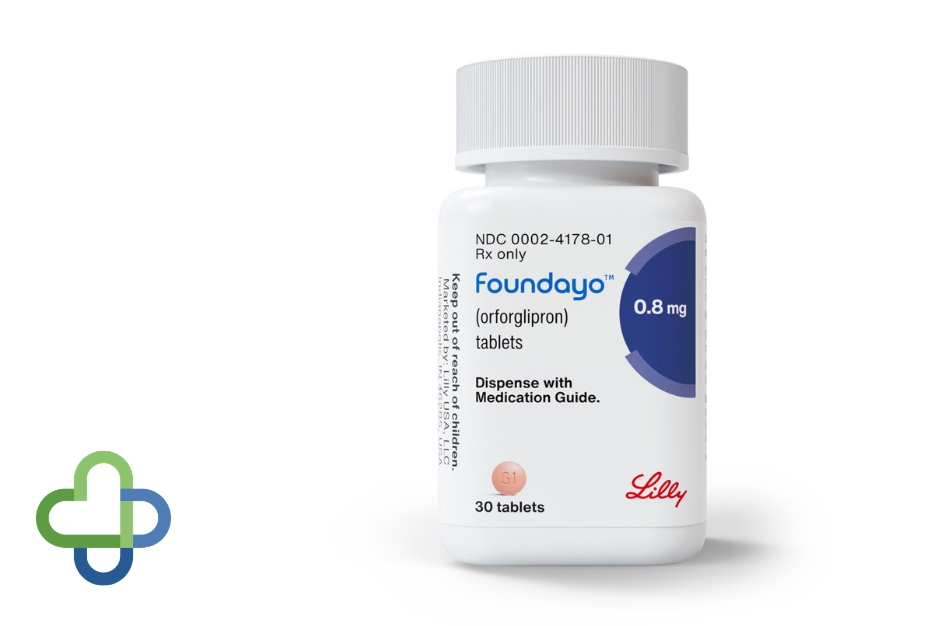
- For the Pill: The pill needs to be taken orally for 3 to 4 weeks, to reach steady state or therapeutic levels. Stay consistent with timing when taking the pills, thus blood levels should not fluctuate, and you may experience consistent appetite suppression.
-
Eat enough, get protein into every meal, don’t skip food just because you’re not hungry, and check whether the cravings track your injection day before deciding the medicine has stopped working.
Overeating on Wegovy
People mean two things by this, and they have different answers.
Eating past comfortable fullness
Wegovy slows gastric emptying so you me feel full more quickly. However, eating to quickly and you can be well past comfortable before you register it can lead you to experience side effects, such as vomiting and nausea. You may also be exceeding your calorie intake, thus slowing down progress.
To avoid this, have smaller portions than you think you need, eat slowly, in a group or family setting, putting your fork down between mouthfuls, stopping at roughly 80% satisfied rather than full.
Appetite coming back
Some weeks it feels as though the medication has stopped working. Usually one of these explains it:
- You’re between dose increases and have adapted to where you are
- It’s day six or seven of the cycle
- You undereat early in the week and your body corrects later
- The eating is emotional rather than physical, and no dose fixes that
Don’t take an extra dose, don’t inject early, and don’t abandon treatment over one difficult week. If appetite has genuinely returned across several cycles, that’s a dose conversation with your prescriber rather than something to sort out yourself.
Two things need medical attention rather than advice: persistent vomiting, which risks dehydration, and severe ongoing abdominal pain that spreads to your back, since pancreatitis is a recognised if uncommon risk with GLP-1 medicines.
Foods to Go Easy On
None of these are banned. They’re just harder work on a slowed stomach.
- Fried and high-fat food. Slow to digest anyway, and Wegovy slows things further. Eating these foods may cause nausea and bloating.
- Very large portions, which matter more than any particular food.
- Sugary drinks and sweets. These foods are calorie dense and tend to be low in nutrients, thus it’s easier to overeat them
- Highly refined carbohydrates. White bread and pastries are low in fibre; thus, you may feel hungry quicker.
- Spicy food, if you’re prone to reflux, which Wegovy can aggravate.
Alcohol on Wegovy
Alcohol provides around 7 calories per gram, second only to fat, and has little to no nutritional benefit.
Alcohol also irritates the stomach lining and can worsen the nausea and reflux Wegovy already causes. Alcohol is also dehydrating, and trying hydrated is very important and can potentially make it more difficult to make mindful decisions regarding food.
The UK Chief Medical Officers’ guidance is no more than 14 units a week for men and women alike, spread over three or more days with drink-free days in between. On Wegovy, less than that makes sense.
Some people find they want alcohol noticeably less on semaglutide, which comes from the same reward-pathway effects that reduce food cravings. It’s an active area of research, not a licensed use.
A Day of Eating on Wegovy
An illustration rather than a prescription. Individual needs vary, and this should be adjusted with your prescriber or a dietitian.
| Meal | Example | Protein |
|---|
| Breakfast | Greek yoghurt, berries, handful of nuts | ~20g |
|---|
| Lunch | Chicken or tofu with vegetables and wholegrains | ~30g |
|---|
| Snack | Cottage cheese, boiled eggs, or a protein shake | ~20g |
|---|
| Dinner | Salmon or lentil dish with vegetables | ~30g |
|---|
The pattern to aim for is small and frequent, protein first, eaten slowly, with water through the day.
Ready to start your weight loss journey with Wegovy?
Start a consultation today to see if you’re eligible and take control of your health.