Your Cart
View all Online Doctor For Schools
Erectile Dysfunction Hair Loss
Shop All View Shop Categories Baby and Child Ear Care Eye Care First Aid Haemorrhoids Self Testing Sexual Health Sleep Stop Smoking

Bone Health During Weight Loss

8 min read time
Aaliyah Nelson

Written by: Aaliyah Nelson

Medically reviewed by: Aaliyah Nelson

Published 20/10/2026 Updated 19/10/2026
Content

Sign up to enjoy regular updates, exclusive promotions, and special offers.

Protecting your bone health while losing weight

When you’re losing weight, it’s natural to focus on the changes you can see. Your clothes might feel a little looser, you may have more energy, or you may notice a difference on the scales.

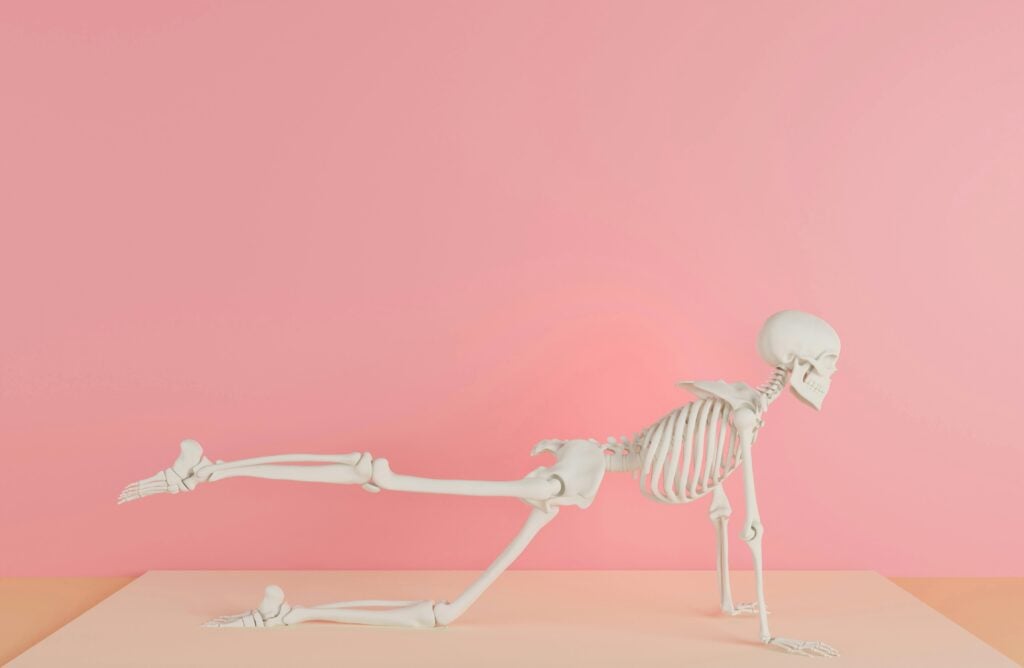
Your bones work hard behind the scenes every day, supporting your body, protecting your organs, and helping you move. While losing weight can offer many health benefits, it’s important to protect your bones and muscles along the way.

You don’t need to overhaul your routine completely. A few simple changes to what you eat and how you move can make a real difference.

Why does bone health matter during weight loss?

Our bones might feel solid and unchanging, but they’re living tissue that’s constantly being renewed.

Throughout our lives, our bodies break down old bone tissue and replace it with new. This natural process relies on getting enough nutrients, including calcium, vitamin D and protein.

When we’re eating a balanced diet, our bodies are better equipped to support this process. But when we lose weight, especially if we eat significantly fewer calories, it can be harder to get everything we need.

Over time, inadequate nutrition can reduce bone density, making bones weaker and more vulnerable to fractures.

This matters because osteoporosis, a condition in which bones become fragile and more likely to break, often develops without obvious symptoms.

Remember, healthy weight loss isn’t simply about eating less. It’s about making sure your body still gets what it needs.

Can weight-loss medication affect your bones?

If you’re taking weight-loss medication such as Wegovy or Mounjaro, you may have noticed a change in your appetite.

Perhaps you’re feeling full more quickly, eating smaller portions or simply not thinking about food as often.

While these changes can support weight loss, they also make it important to pay attention to the nutritional quality of what you eat.

When we lose weight, we don’t necessarily lose only body fat. We can also lose lean body mass, including muscle. Significant weight loss, especially when it happens quickly, can also be linked to changes in bone mineral density.

Researchers continue to investigate the relationship between GLP-1-based medications, weight loss, and bone health. Current evidence doesn’t establish that these treatments directly cause osteoporosis, and findings vary between studies.

We do know that good nutrition and regular physical activity help protect muscle and support healthy bones during weight loss.

So, whether you’re using medication or making lifestyle changes, looking after your body should always be part of the plan.

Five simple ways to look after your bones during weight loss

You don’t need an entirely new diet or a complicated exercise routine to support your bone health. Small, consistent habits are a great place to start.

1. Give your bones a reason to stay strong

Our bones respond to the demands we place on them. Activities that support your body weight or work your muscles against resistance can help maintain bone strength.

That doesn’t mean you need to start lifting heavy weights at the gym.

Walking, dancing, climbing stairs, and gardening can all help you stay active. You could also try resistance bands, light weights or simple bodyweight exercises.

Strength training is particularly useful during weight loss because it helps maintain muscle mass, which supports your strength, balance and mobility.

The key is finding something you enjoy and can stick with.

If you already have osteoporosis or have experienced fractures, speak to a healthcare professional about which activities are suitable for you.

The key is finding something you enjoy and can stick with.

If you already have osteoporosis or have experienced fractures, speak to a healthcare professional about which activities are suitable for you.

2. Make room for calcium-rich foods

Calcium is a building block of healthy bones, and most adults need around 700mg each day.

The good news is that plenty of everyday foods contain calcium, including:

  • Milk, yoghurt and cheese
  • Calcium-fortified plant-based alternatives
  • Sardines with edible bones
  • Tofu made with calcium
  • Green vegetables such as kale, pak choi and okra


If you’re eating smaller portions because your appetite has decreased, think about how you can make those portions work harder.

A serving of Greek yoghurt at breakfast, some cheese with lunch, or a calcium-fortified milk alternative in your coffee can all help boost your daily intake.

3. Don’t forget vitamin D and vitamin K2

Vitamin D helps your body absorb calcium and supports normal muscle function.

In the UK, we don’t get enough sunlight to produce enough vitamin D during autumn and winter. That’s why the NHS recommends that everyone consider taking a daily 10 microgram vitamin D supplement from October to early March.

Vitamin K2 also supports bone health. It helps activate proteins that deposit calcium in bones and regulate calcium in soft tissues, including the arteries.

Some vitamin K2 is produced naturally by gut bacteria, while dietary sources include fermented foods and certain cheeses.

Although vitamin K2 helps regulate calcium, research hasn’t yet shown that taking additional K2 prevents osteoporosis or calcium build-up in arteries.

A varied, balanced diet helps provide the nutrients your body needs to maintain healthy bones.

If you’re considering supplements, particularly if you take medication such as warfarin, speak to your pharmacist or GP first.

4. Keep protein on the menu

Protein isn’t just for people who go to the gym. It plays an important role in maintaining muscle, repairing tissues, and supporting bone structure.

And it’s particularly important when you’re losing weight.

When your body is in a calorie deficit, you may lose some muscle along with fat. Eating enough protein, combined with regular strength-building activity, can help reduce this.

Depending on your individual needs, a protein intake of around 1.2–1.6g per kilogram of body weight per day may be appropriate during weight loss.

Try including a protein source with each meal, such as eggs, fish, chicken, Greek yoghurt, beans, lentils, or tofu.

If you’re finding it difficult to eat larger meals, smaller protein-rich meals and snacks throughout the day can be a practical alternative.

Your nutritional needs will vary depending on your health and circumstances, so that personalised advice can help.

5. Think nourishment, not just calories

It’s easy to become focused on calorie counts when you’re trying to lose weight.

But while managing your calorie intake may be part of your weight loss plan, it’s equally important to consider what those calories provide.

Your body still needs a wide range of vitamins, minerals, protein and other nutrients to function properly.

Try to include a variety of vegetables, fruit, whole grains, healthy fats and protein sources in your meals.

If you’re taking weight-loss medication and your appetite has reduced significantly, pay particular attention to the nutritional value of the foods you choose.

You don’t need to eat perfectly every day. Focus on building habits that help you feel well, maintain your strength, and support your health over time.

Menopause and bone health

Bone health matters especially for women approaching or going through menopause.

Oestrogen plays an important role in maintaining bone density. As oestrogen levels decline during menopause, bone loss can accelerate, increasing the risk of osteoporosis.

Muscle loss can also become more noticeable with age, making it especially important to maintain strength.

But you don’t have to wait until menopause to start thinking about your bones.

Building healthy habits early can help protect bone strength for years to come. Once significant bone or muscle loss occurs, rebuilding it can be harder.

Regular strength and weight-bearing exercise, good nutrition and getting enough calcium and vitamin D can all help.

If you’re navigating menopause and weight loss at the same time, consider how your approach to eating and exercise can support your wider health, not just your weight.

Your GP can also assess your risk of osteoporosis and advise whether you need further checks.

Osteoporosis risk factors

One challenge with osteoporosis is that it usually doesn’t cause symptoms until a bone breaks.

Certain factors can increase your risk of Osteoporosis, including:

  • Getting older
  • Menopause, particularly early menopause
  • Having a family history of osteoporosis
  • Previous fractures following relatively minor injuries
  • Taking certain medications, such as long-term oral corticosteroids
  • Being underweight or experiencing prolonged nutritional deficiencies

If any of these apply to you, or you’re concerned about your bone health, speak to your GP.

They can assess your individual risk and advise whether further investigations, such as a bone density scan, might be appropriate.

Weight loss and bone health: looking after your whole body

Losing weight can be an important step towards better health, but the number on the scales doesn’t tell the whole story.

Maintaining muscle, protecting your bones, eating well and feeling stronger are all important parts of looking after yourself.

That’s why gradual, sustainable changes are generally better than overly restrictive diets or trying to lose weight as quickly as possible.

At The Family Chemist, we believe weight management should support your long-term health, not just reaching a target weight.

Whether you’re just getting started, using prescribed weight-loss medication, or working to maintain your progress, we’re here to help you make informed choices along the way.

Need a little help with your nutrition?

When you’re losing weight, knowing what to eat isn’t always straightforward, especially if your appetite has changed.

Our nutritional guidance service can help you understand your nutritional needs, make the most of smaller meals and build healthier habits that fit around everyday life.

From getting enough protein to ensuring your diet includes essential nutrients, we’re here to help you focus on the bigger picture.

Thinking about starting your weight loss journey or exploring your treatment options?

How we reviewed this article:

Share:
Aaliyah Nelson
Medically reviewed by:

Aaliyah Nelson BSc (Hons) Nutritionist

I am a nutritionist with an interest in helping people feel comfortable and healthy.

Last reviewed: 19th Oct 2026

Blog suggestions

Protecting your bone health while losing weight When you’re losing weight, it’s natural to focus on the changes you can see. Your clothes might feel a little looser, you may have more energy, or you may notice a difference on

Protecting your bone health while losing weight When you’re losing weight, it’s natural to focus on the changes you can see. Your clothes might feel a little looser, you may have more energy, or you may notice a difference on

Taken a break from Mounjaro or Wegovy? Whether it was side effects, a change of provider or life got busy for you, here's what to know about restarting: whether you can go back to your previous dose, if you'll need

Collagen is one of the body’s most abundant proteins, making up around 30% of total protein, and it provides structure and elasticity to the skin, joints, tendons, ligaments, muscles, and more. Marine collagen supplements have become popular for skin, joint

Collagen is one of the body’s most abundant proteins, making up around 30% of total protein, and it provides structure and elasticity to the skin, joints, tendons, ligaments, muscles, and more. Marine collagen supplements have become popular for skin, joint

Related products

Read more about Health

finasteride side effects leaflet - buy cheap finasteride online in the UK

How To Reduce Side Effects Of Finasteride

How to the reduce side effects of Finasteride Table of Contents Written by: The Family ChemistMedically reviewed by: Tannaz SohrabiPublished: 30/03/2026 What is Finasteride and how does it work? Finasteride is a commonly prescribed medication for male pattern baldness (androgenetic alopecia) and benign prostatic hyperplasia (BPH). Finasteride works by blocking the

Read more