

Your Cart
View all Online Doctor For Schools
Erectile Dysfunction Hair Loss
Shop All View Shop Categories Baby and Child Ear Care Eye Care First Aid Haemorrhoids Self Testing Sexual Health Sleep Stop Smoking
Please choose a Saxenda
Please choose a Liraglutide

Are Protein Powders Good For Weight Loss?

9 min read time

Written by: Aaliyah Nelson

Medically reviewed by: Aaliyah Nelson

Published 06/10/2026 Updated 06/10/2026
Content

Sign up to enjoy regular updates, exclusive promotions, and special offers.

Key takeaways

  • Protein powder doesn't cause weight loss on its own, you still need to be in a calorie deficit
  • Protein can help you feel fuller for longer because it takes longer to break down and uses more energy to digest
  • Pair it with resistance training, protein powder alone won't build muscle you need training stimulus to protect muscle mass
  • Aim for 1.2 to 1.6g of protein per kg of body weight a day during weight loss

What is protein powder?

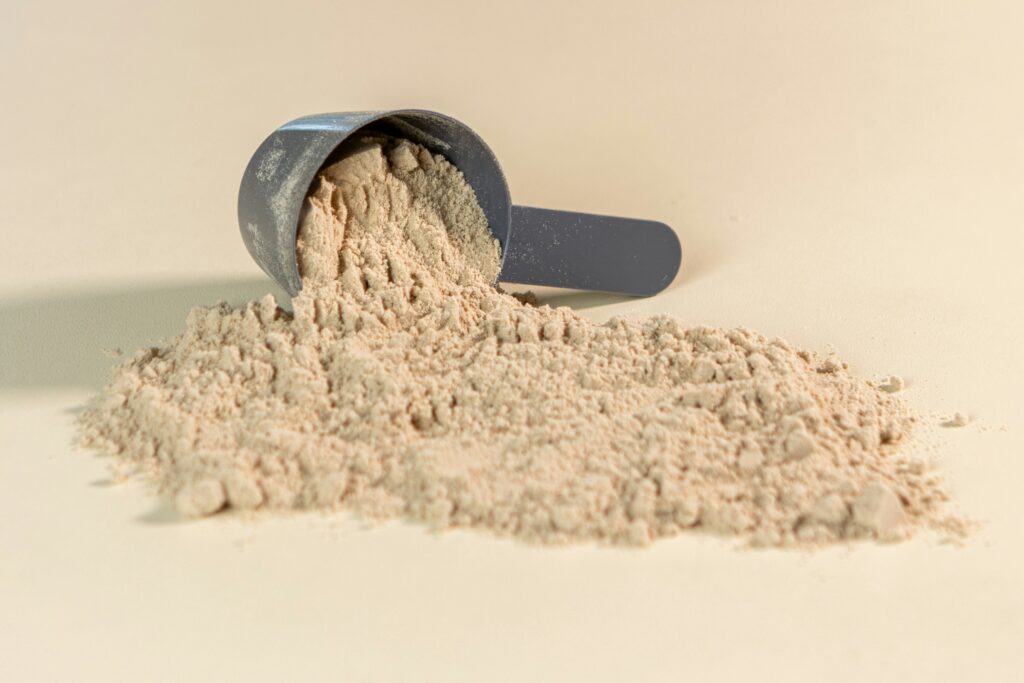
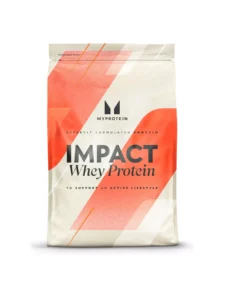
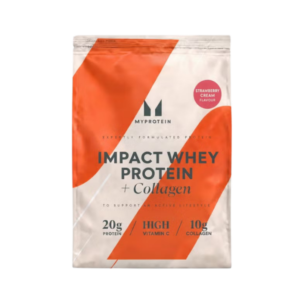
Protein powder is a dietary supplement designed to increase protein intake.
 
Different types of protein powders are available on the market, including plant and animal-based options. Common types include whey concentrate, whey isolate, casein, egg, pea, and soy.

Animal-based

Whey protein is a generic term for the byproduct of making cheese from milk. This product is refined into whey concentrate and whey isolate.
 
Typically, whey concentrate contains 35 to 80% protein, with the rest being fat and lactose. Whey isolate is made when the byproduct is further distilled or filtered, providing higher protein concentrations ( 90%, with reduced lactose and fat content.

Casein

Although the process is similar, it is the counterpart to cheese-making. This curd is then rinsed of whey, dehydrated and powdered. This process leaves higher levels of fat and lactose, providing a creamier consistency.
 
Casein is a slow-releasing protein and, with its higher fat content, can keep you feeling fuller for longer.

Egg protein powder

This dairy-free, animal-based protein is made from pasteurised, dehydrated egg whites. Because it comes from egg whites, this protein powder has higher levels of lysine, an essential amino acid.
 
This provides a great alternative for those with lactose intolerance or dairy allergies.

Plant-based protein

Alternatively, plant-based protein powders are available. These are typically derived from soy. Pea, hemp and brown rice.
 
Although these are a great alternative for those with dietary restrictions or preferences, not all plant-based protein powders have complete or high levels of all essential amino acids.
 
Typically, a protein shake serving is 30g of powder, which contains 20 to 25 grams of protein. You can add this powder to milk or water, depending on your preference. The protein amount can vary depending on the packet instructions.
 
Protein powder is usually associated with gymgoers, but it’s designed for anyone looking to meet their protein goals alongside their current diet; however, this depends on health, lifestyle, and diet.
 
If you have any health conditions that could impair kidney function, consult a healthcare professional before adding protein powders to your diet.

Are protein powders good for weight loss?

Protein powders can be a great addition to a balanced diet. Protein can help increase satiety as it takes longer to break down, keeping you fuller for longer.
 
Protein requires more energy to break down than carbohydrates and fats, meaning you burn more calories eating protein than fat or carbs. For weight loss, this only works if you’re in a calorie deficit.
 
If you consume excess protein in a calorie surplus, your body stores the excess as fat. Also, simply eating more protein won’t help you build muscle; that requires exercise and a training stimulus.
 
When you exercise, muscle fibres undergo stress and micro-tears that amino acids help to repair.
 
Throughout the day, your muscles experience wear and tear. However, without the training stimulus, your body won’t be stimulated to repair muscle fibres or use broken-down muscle fibres for energy.
 
Muscle growth is a slow process, so you won’t bulk up just by taking protein powder.

Which type of protein is best for weight loss?

The type of protein powder depends on you and what is sustainable for you. So, the type you use depends on your goals, hunger level, and dietary preferences and restrictions.
 
If you follow a vegan or plant-based diet, then soy or pea protein may be a better fit. If you are aiming for lower calories or prefer a fruitier taste, whey isolate may help.
 
If you want to feel fuller longer or support repair overnight, opt for casein. And if you’re short on time, a meal replacement shake can help.
 
If you’re not sure how to decide, read the food label for the ingredients list, calories per serving, allergens, additives, and whether the protein source is complete.
 
If the protein source that you choose is incomplete, that is not a bad thing.
 
A balanced diet should be varied, with a focus on whole foods whenever possible. Protein shakes and powders are supplements, not a replacement.

How to use protein powder for weight loss

For protein intake when losing weight, aim for 1.2 to 1.6 g/kg of body weight per day, and 0.8 to 1 g/kg of body weight per day for maintenance.
 
This can vary depending on your current goals and activity levels. If you are struggling to meet your protein goals with whole foods alone, try adding a protein shake to your day, like adding a snack in between meals.
 
Aim to distribute your protein intake throughout the day. Aim for 20 to 40 g per meal rather than trying to fit it all into one meal.
 
Your body can take hours to digest protein fully, and it can only utilise a finite amount in a given time frame.
 
It is also important to stimulate muscles to encourage muscle maintenance, as muscle tissue can be broken down for energy as you lose weight.
 
The body will not defer and choose only to use fat stores; resistance training and adequate protein consumption help protect muscle mass. That is why protein is necessary alongside resistance training.
 
Your body composition will change as you lose weight, as your body uses fat stores.
 

When to drink protein shakes for weight loss

There are no specific windows for having a protein shake. Have it when it fits best into your schedule – the type of protein you have, and when you have it, may modestly affect recovery.
 
For example, casein, being a slow-releasing protein, may be more beneficial at night whilst you’re asleep, aiding recovery.
 
If you’re deciding when to have a protein shake, think about when you find it hardest to get through the day between meals. Then slot in a protein shake.
 
Rather than adding protein shakes on top of your meals to potentially reduce portion sizes, it’s recommended you have it as a snack. This helps you stay in a calorie deficit and meet your protein goals.

Protein powder if you’re taking weight-loss medication (Mounjaro / Wegovy)

The appetite suppression of GLP-1 medication can make hitting protein goals difficult. This is very important with weight loss, as there may be a reduction in lean mass, specifically muscle mass or bone density.
 
A protein shake may be an easier way to meet your protein needs because it can be highly palatable, comes in a variety of flavours, and is easy to drink when your appetite is reduced.
 
This can help fill a gap in your protein goals. To maintain muscle mass, add weighted or resistance-style training to your routine, as eating protein alone may only help maintain muscle mass.
 
If you are still struggling to eat anything or the suppression is leading you to forget meals or rapid weight loss, please consult a healthcare professional.

Side effects of using protein powder for weight loss

With a focus on protein, you may neglect hydration and fibre, which can lead to Constipation. Prioritise whole foods and a diverse diet so you don’t neglect other nutrients.  
 
Other common side effects of using protein powders can include bloating and digestive upset. Dairy content may cause this, so when needed, try alternatives to avoid these side effects.
 
Because they’re palatable and easy to consume, people may overconsume protein powders, leading to excess calories or a calorie surplus. So be sure to include them in your calorie counting or food monitoring if you’re using them for weight loss.
 
Overreliance on protein powders can potentially lead to nutritional deficiencies. Although it can be a fantastic addition to your diet, prioritise whole foods to avoid nutritional deficiencies.
 
If you have any health conditions or medications, kidney impairment, or are pregnant, please consult a healthcare professional before changing your diet or dietary intake of protein.

Conclusion

Protein is an essential macronutrient. It supports many biological functions, and protein powder can be a great addition to your diet, helping you reach your goals.
 
However, consuming protein powder does not automatically lead to weight loss, so consider it in the context of your current diet.

Can protein powder alone make you lose weight?

No, protein powder alone cannot make you lose weight; you need a calorie deficit. Protein powder can support weight loss alongside a balanced diet by helping with satiety and muscle repair and maintenance, but when paired with a balanced diet, resistance training, and a calorie deficit.
 
 
Protein powder alone will not make you bulk up or gain weight. Protein powder can help support lean muscle maintenance paired with resistance or weighted-style training. However, if you’re consuming protein powder in a calorie surplus, you may notice weight gain. Muscle growth is a slow process, so protein powder alone will not cause muscle growth.
 
 
That depends on you. If you are looking for lower-calorie options, consider a whey isolate; if you prefer a creamier shake, maybe a whey concentrate; or if you have dietary restrictions, for example, you are vegan or can’t consume dairy, aim for a plant-based protein powder. Your choice depends on your goals, restrictions and preferences. Check the nutrition label to see what’s right for you.


How we reviewed this article:

Sources

Share:
Medically reviewed by:

Aaliyah Nelson BSc (Hons) Nutritionist

I am a nutritionist with an interest in helping people feel comfortable and healthy.

Last reviewed: 6th Oct 2026

Blog suggestions

What is protein powder? Protein powder is a dietary supplement designed to increase protein intake. Different types of protein powders are available on the market, including plant and animal-based options. Common types include whey concentrate, whey isolate, casein, egg, pea,

What is protein powder? Protein powder is a dietary supplement designed to increase protein intake. Different types of protein powders are available on the market, including plant and animal-based options. Common types include whey concentrate, whey isolate, casein, egg, pea,

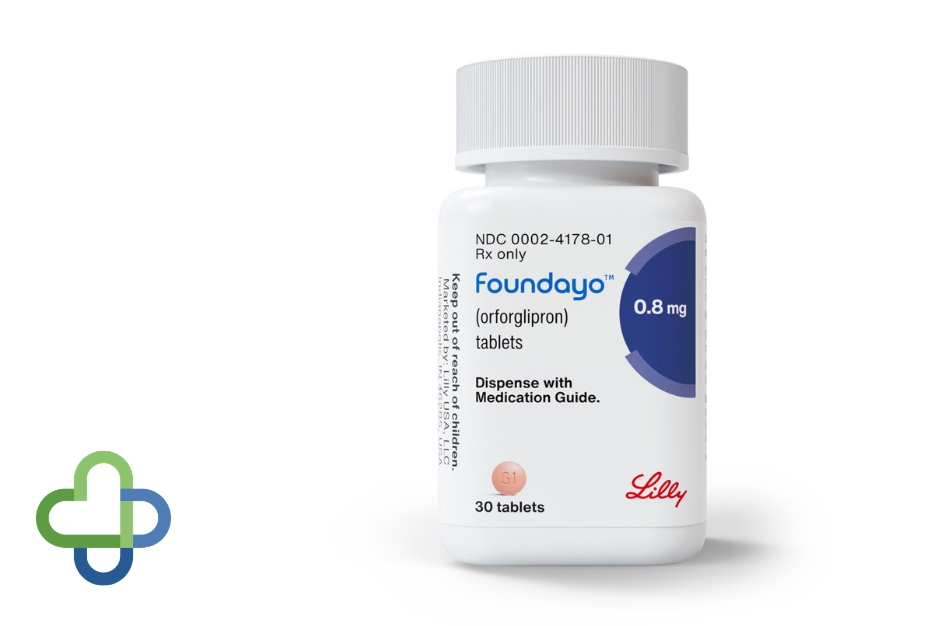
Orforglipron is a once-daily weight loss pill developed by Eli Lilly and marketed in the US as Foundayo. Unlike injectable GLP-1 treatments, it is taken by mouth without food or water restrictions. Here, we explain how orforglipron works, how effective
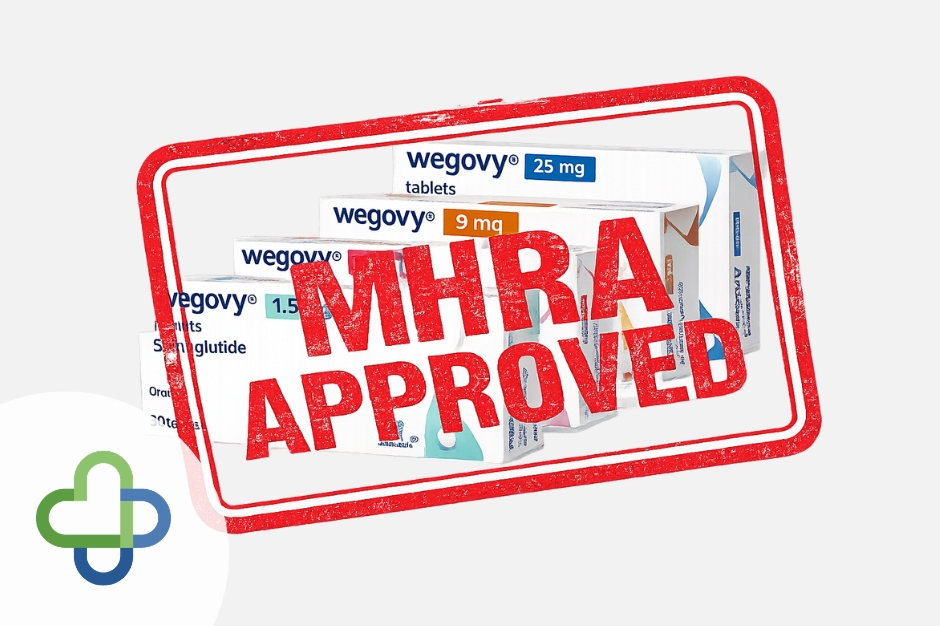
The Wegovy pill has been approved in the UK and is expected to become available through regulated providers from 1 July 2026. Learn who may be eligible, how to access it safely and what to expect from this once-daily weight

Related products

Read more about Weight Care

finasteride side effects leaflet - buy cheap finasteride online in the UK

How To Reduce Side Effects Of Finasteride

How to the reduce side effects of Finasteride Table of Contents Written by: The Family ChemistMedically reviewed by: Tannaz SohrabiPublished: 30/03/2026 What is Finasteride and how does it work? Finasteride is a commonly prescribed medication for male pattern baldness (androgenetic alopecia) and benign prostatic hyperplasia (BPH). Finasteride works by blocking the

Read more
The Family Chemist | UK Online Pharmacy | NHS Prescriptions
Privacy Overview

This website uses cookies. We use cookies to provide social media features and to analyse our traffic and to make certain features work (for example the navigation menu).

We use the following types of cookies on our site, Required and Statistics.

You can learn more by clicking here.