











What Causes Erectile Dysfunction? Symptoms, Risk Factors, and Treatments Explained
Erectile dysfunction (ED) is a common condition affecting over 50% of men between 40 and 70 in the UK…
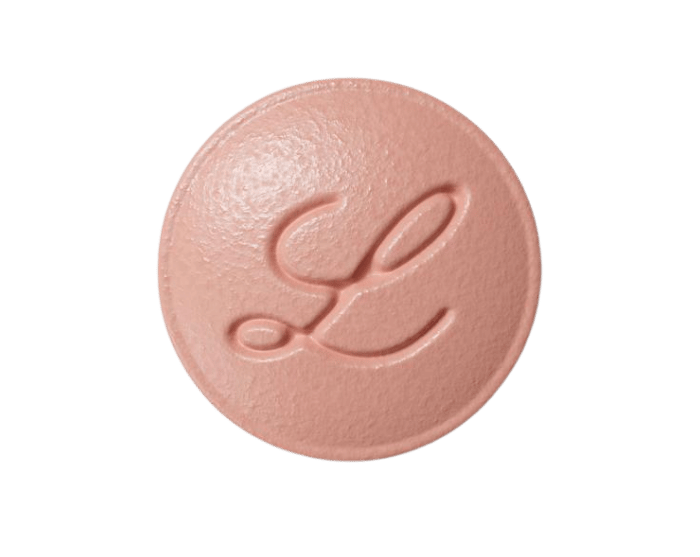






When it comes to acne, the stereotype is closely linked to the teenage years. As puberty hits and fresh hormone cycles surge through the body, acne is one of the most predictable side effects. This acne usually calms as people head into their mid-20s, yet for many adults in their 20s, 30s, and even beyond, acne remains a struggle.
From breakouts, redness, and blemishes, it is common for acne to continue into adulthood for a variety of reasons. Understanding the causes of acne breakouts is a vital first step towards achieving clearer skin well into adult life.
Acne is the result of a combination of factors that can affect people at any age. The cause of acne is primarily the production of sebum (an oil), blocked pores, bacteria, and inflammation; all of which work together to cause spots to appear.
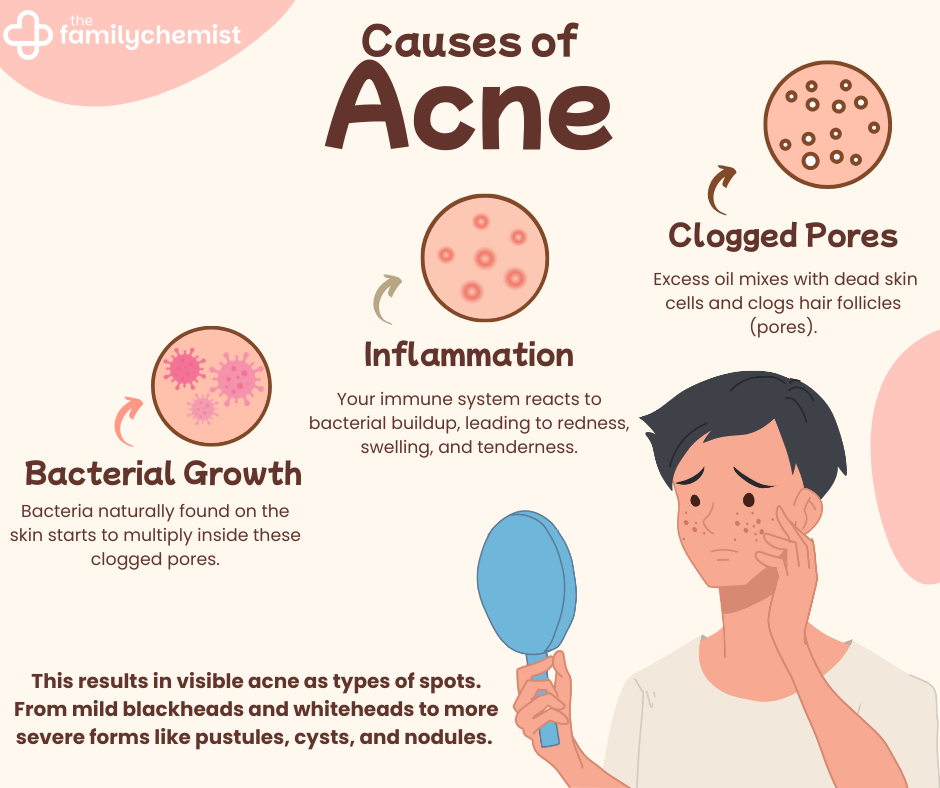
While acne is most common during the teenage years, it does not completely stop once we reach adulthood. Although prevalence decreases with each age group, it does not disappear entirely.
Image credit: Global Skin Disease Morbidity and Mortality: An Update From the Global Burden of Disease Study 2013 – PMC
Hormones are one of the biggest triggers for both teenage and adult acne. Changing hormone levels can increase oil production, making pores more likely to clog and become inflamed.
For women especially, hormonal fluctuations linked to the menstrual cycle, changes in hormonal medication (such as the contraceptive pill), pregnancy, and perimenopause can all trigger breakouts.
This is sometimes referred to as a kind of ‘second puberty’, where acne returns or begins later in life despite having an attentive skincare routine.
Even if your hormones aren’t fluctuating dramatically, stress can still worsen acne. When you’re stressed, your body produces more androgens. These are a group of hormones that can trigger sebum production and increase inflammation.
Lifestyle factors that can contribute to acne include:
These factors are unlikely to cause acne on their own, but when combined, they can contribute significantly to flare-ups.
Thankfully, there are many ways to manage acne, ranging from simple lifestyle changes to prescription medication. Reducing acne-triggering factors; such as quitting smoking and ensuring you get enough sleep each night can drastically improve your skin and help keep it clear and spot-free.
Self-care should always be the first port of call when managing acne. However, at The Family Chemist, we offer a range of acne treatments to give your skin that extra support.

The newest acne treatment available in the UK is Winlevi cream, a breakthrough in acne care. This topical medication directly targets the hormonal causes of acne.
Acting as an androgen receptor inhibitor, Winlevi suppresses the hormones responsible for excess sebum production, helping to reduce oil build-up, inflammation, and clogged pores.
Getting acne in your 20s and 30s is far more common than you might think, and it doesn’t mean you’re doing anything wrong. Hormones, stress, oil production, and lifestyle factors all contribute to adult breakouts.
Thankfully, with advances in treatments such as Winlevi cream, clearer and calmer skin is achievable.

Erectile dysfunction (ED) is a common condition affecting over 50% of men between 40 and 70 in the UK…
How to the reduce side effects of Finasteride Table of Contents Written by: The Family ChemistMedically reviewed by: Tannaz SohrabiPublished: 30/03/2026 What is Finasteride and how does it work? Finasteride is a commonly prescribed medication for male pattern baldness (androgenetic alopecia) and benign prostatic hyperplasia (BPH). Finasteride works by blocking the

Erectile dysfunction (ED) is a common condition affecting over 50% of men between 40 and 70 in the UK…