Wegovy tablet preorder today
New Weight Loss Tablet. Order Now
Your Cart

Menu

View all Online Doctor For Schools
Erectile Dysfunction Hair Loss
Shop All View Shop Categories Baby and Child Ear Care Eye Care First Aid Haemorrhoids Men's Health Self Testing Sexual Health Sleep Stop Smoking
Please choose a Saxenda
Please choose a Liraglutide
8 min read time
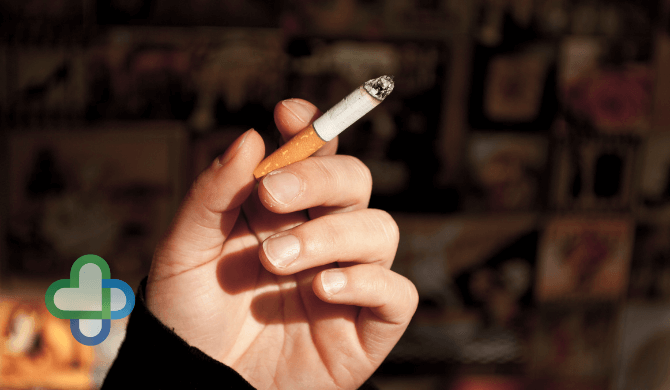
person holding a cigarette - buy stop smoking treatment

Content

Sign up to enjoy regular updates, exclusive promotions, and special offers.

What Happens To Your Body When You Quit Smoking?

Jump to

Quitting smoking is a significant step towards improving your health and well-being. When you stop smoking, your body begins a healing process that can lead to immediate and long-term benefits. This blog will explore what happens to your body when you stop smoking, the symptoms you might experience, and strategies for managing them.


Symptoms when you quit smoking

When you quit smoking, your body starts to repair itself almost immediately. However, this process can cause various symptoms as your body adjusts to the absence of nicotine. Common symptoms include:

  • Nicotine cravings: These can be intense, especially in the first few days.
  • Irritability and anxiety: Nicotine withdrawal can make you feel on edge.
  • Difficulty concentrating: Many people experience “brain fog” as their bodies adjust.
  • Increased appetite: Nicotine suppresses appetite, so you may feel hungrier when you quit.
  • Coughing and sore throat: Your lungs begin to clear out mucus and other debris.
  • Sleep disturbances: You might have trouble falling asleep or staying asleep.


Feeling emotional when you quit

Quitting smoking can be an emotional rollercoaster. Nicotine affects brain chemistry, and its absence can lead to mood swings, feelings of sadness, and even depression. It’s important to recognise these feelings as part of the withdrawal process and seek support if needed.


Weight gain and quitting smoking

Weight gain is a common concern when quitting smoking. Nicotine increases metabolism and suppresses appetite, so without it, you might eat more and burn fewer calories. Here are some tips to manage weight gain:
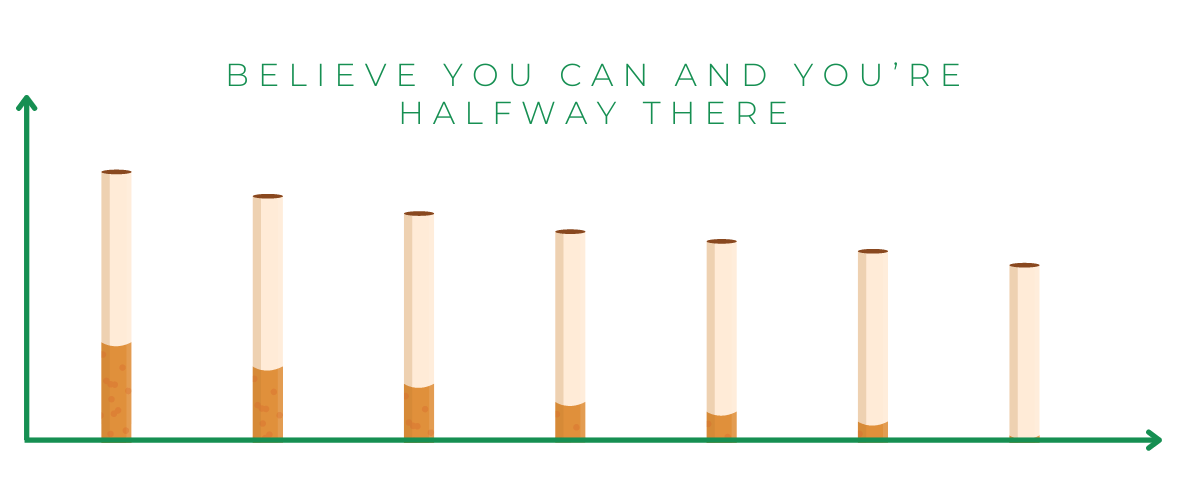
  • Eat a balanced diet: Focus on fruits, vegetables, and whole grains.
  • Stay active: Regular exercise can help control weight and improve mood.
  • Stay hydrated: Drinking water can help control hunger and keep you feeling full.

stop smoking quote - buy stop smoking treatments

Managing smoking withdrawal symptoms

Withdrawal symptoms can be challenging, but they are temporary. Here are some strategies to manage them:

  • Nicotine replacement therapy (NRT): Products like patches, gum, and lozenges can help reduce cravings.
  • Prescription medications: Talk to our pharmacist about medications that can help manage withdrawal symptoms.
  • Behavioural therapy: Counselling and support groups can provide strategies and encouragement.

Managing stress when you quit smoking

Stress is a significant trigger for smoking. Finding healthy ways to manage stress can help you stay smoke-free:

  • Exercise: Physical activity can reduce stress and improve your mood.
  • Mindfulness and relaxation techniques: Practices like yoga, meditation, and deep breathing can help manage stress.
  • Stay connected: Lean on friends, family, and support groups for emotional support.


Costs of smoking

Smoking is not only harmful to your health but also expensive. The cost of cigarettes adds up quickly, and smoking-related illnesses can lead to high medical bills and lost productivity. Quitting smoking can save you a significant amount of money.


Benefits of quitting smoking

The benefits of quitting smoking are immense and start almost immediately:

  • Improved lung function: Your lungs start to repair themselves within weeks.
  • Reduced risk of heart disease and stroke: Your heart and blood vessels begin to heal.
  • Better overall health: Quitting smoking reduces your risk of cancer, respiratory diseases, and other smoking-related illnesses.
  • Improved sense of taste and smell: These senses can start to return within days.
  • Better skin: Smoking accelerates skin aging, so quitting can improve your complexion.


If you start smoking again

It’s common to relapse when quitting smoking. If you do start smoking again, don’t be too hard on yourself. Treat it as a learning experience and try to identify what triggered the relapse. Use this information to adjust your strategy and try quitting again.
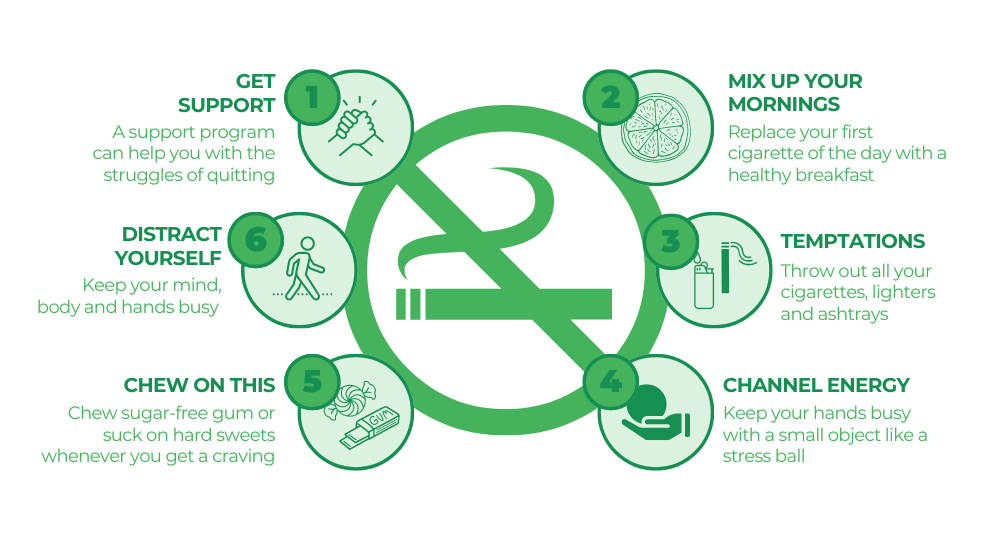
 

tips to help stop smoking - quit smoking treatments

Help is available to quit

There are many resources available to help you quit smoking:

  • NHS Smokefree: Offers free support and resources, including a helpline and online tools.
  • Local stop smoking services: Many areas have local services that provide support and advice.
  • Apps and online tools: Various apps help you track your progress and stay motivated.


Where to get help

If you’re ready to quit smoking, reach out for support:

  • NHS Smokefree Helpline: Call 0300 123 1044 for free advice and support.
  • Your GP: Your doctor can provide advice, support, and prescriptions for medications.
  • Pharmacies: Many pharmacies offer stop smoking services and can provide NRT products.

Quitting smoking is a challenging but rewarding journey. With the right support and strategies, you can overcome withdrawal symptoms and enjoy the numerous benefits of a smoke-free life.
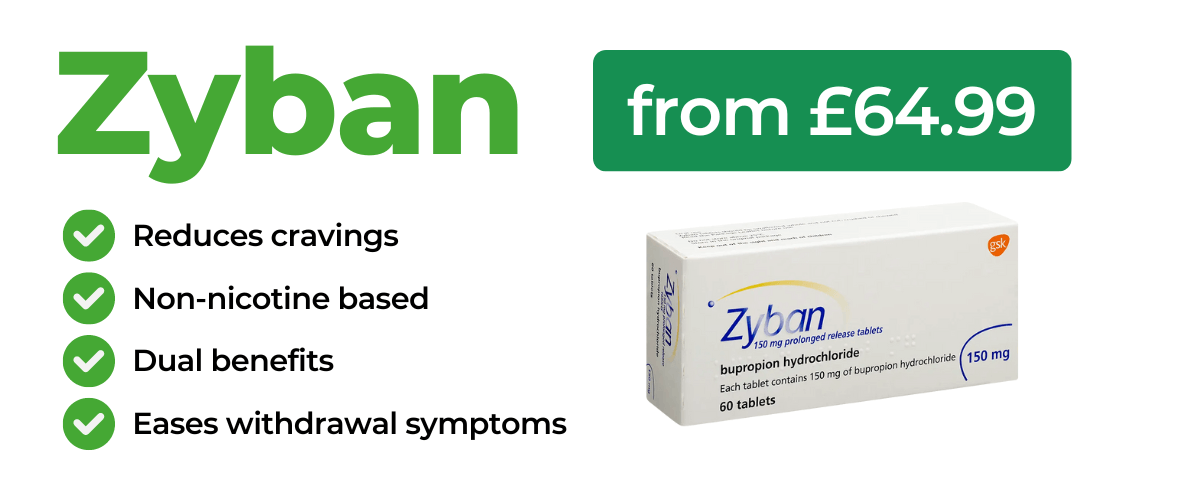

buy zyban online in the uk

What is the most successful way to stop smoking

A combination of medication and counselling will both help, however, you can use a combination of the following to increase your success:

  • List your reasons to quit
  • Tell people you are quitting
  • If you have tried to quit before, remember what worked
  • Use stop-smoking medications
  • Have a plan if you are tempted to smoke
  • List your smoking triggers and how to avoid them
  • Keep cravings at bay by keeping busy
  • Exercise the urge away
  • Within six hours, your heart rate will slow, and your blood pressure will become more stable.
  • Within one day, your bloodstream will be almost nicotine-free, the level of carbon monoxide in your blood will have dropped, and oxygen will be reaching your heart and muscles more easily.
  • Within one week your sense of taste and smell may have improved.
  • Within three months you will be coughing and wheezing less, your immune function and circulation to your hands and feet will be improving and your lungs will be getting better at removing mucus, tar and dust.
  • Within six months, your stress level is likely to have dropped, and you are less likely to be coughing up phlegm.
  • After one year your lungs will be healthier and breathing will be easier than if you’d kept smoking.
  • Within two to five years your risk of heart disease will have dropped significantly and will continue to do so over time.
  • Within five years, a woman’s risk of cervical cancer will be the same as if you had never smoked.
  • After 10 to 15 years your risk of lung cancer will be half that of someone of a similar age who keeps smoking.
  • After 20 years your risk of heart attack and stroke will be similar to that of someone who has never smoked.
Since tobacco use leads to nicotine addiction, you may experience nicotine withdrawal symptoms, such as irritability, anxiety, and weight gain.
 

As you progress, you will experience numerous advantages from quitting smoking, such as improved lung capacity. When you stop smoking, inactive lung cells will begin to substitute the damaged cells that line your airways. This results in gradual healing and rejuvenation of your lungs, along with a reduced risk of lung cancer.

How we reviewed this article:

Share:

Blog suggestions

Orforglipron is a once-daily weight loss pill developed by Eli Lilly and marketed in the US as Foundayo. Unlike injectable GLP-1 treatments, it is taken by mouth without food or water restrictions. Here, we explain how orforglipron works, how effective
The Wegovy pill has been approved in the UK and is expected to become available through regulated providers from 1 July 2026. Learn who may be eligible, how to access it safely and what to expect from this once-daily weight
The Wegovy tablet is a once-daily weight loss pill containing semaglutide, offering an alternative to weekly injections. Discover how it works, how much weight people may lose, how it compares with injections and when it could become available in the

Related products

Read more about General Health

finasteride side effects leaflet - buy cheap finasteride online in the UK

How To Reduce Side Effects Of Finasteride

How to the reduce side effects of Finasteride Table of Contents Written by: The Family ChemistMedically reviewed by: Tannaz SohrabiPublished: 30/03/2026 What is Finasteride and how does it work? Finasteride is a commonly prescribed medication for male pattern baldness (androgenetic alopecia) and benign prostatic hyperplasia (BPH). Finasteride works by blocking the

Read more
The Family Chemist | UK Online Pharmacy | NHS Prescriptions
Privacy Overview

This website uses cookies. We use cookies to provide social media features and to analyse our traffic and to make certain features work (for example the navigation menu).

We use the following types of cookies on our site, Required and Statistics.

You can learn more by clicking here.