Wegovy tablet preorder today
New Weight Loss Tablet. Order Now
Your Cart

Menu

View all Online Doctor For Schools
Erectile Dysfunction Hair Loss
Shop All View Shop Categories Baby and Child Ear Care Eye Care First Aid Haemorrhoids Men's Health Self Testing Sexual Health Sleep Stop Smoking
Please choose a Saxenda
Please choose a Liraglutide

What Are the Symptoms of UTI in Women?

Urinary tract infections (UTIs) are common, especially in women, due to their shorter urethra, which allows bacteria easier access to the bladder. Recognising the symptoms of UTIs can help you seek treatment promptly and prevent complications. UTIs can be classified into two main categories: lower UTIs and upper UTIs.
10 min read time
woman with a uti curled over holding her stomach - buy UTI treatment

Written by: Sunny Dhain

Medically reviewed by: Tannaz Sohrabi

Published 05/06/2024 Updated 03/07/2026
woman with a uti curled over holding her stomach - buy UTI treatment

Content

Sign up to enjoy regular updates, exclusive promotions, and special offers.

Urinary tract infections (UTIs) are common in women; they can affect the bladder, urethra or less often, the kidneys. Women get UTIs more frequently than men largely because the female urethra is shorter, making it easier for bacteria to travel up into the bladder. The symptoms of UTIs can range from mild bladder discomfort that settles on its own to signs of a kidney infection that need urgent care. 

This guide covers the most common UTI symptoms in women, what UTI pain typically feels like, the difference between a lower and upper UTI, your treatment options and when you should seek immediate medical help. 

Do I have a UTI? Quick symptom checklist

If you’re not sure whether what you’re feeling is a UTI, this checklist covers the most common signs of UTI in women:

  • Burning or stinging when peeing 
  • Needing to pee more often than usual 
  • A sudden or urgent need to pee 
  • Peeing more during the night 
  • Lower tummy pain or pressure around the bladder 
  • Cloudy urine 
  • Strong-smelling or unusually dark urine 
  • Blood in the urine 
  • Feeling tired, weak, achy or generally unwell 


If several of these symptoms apply to you, you should take a UTI self-test or use the NHS 111 service to get advice on the best treatment in your area. 

Common UTI symptoms in women

Each of these symptoms can appear on their own or alongside other symptoms and understanding what’s behind them can help you decide how urgently you need advice. 

Burning or pain when peeing

A stinging or burning sensation when you urinate is one of the most recognisable UTI symptoms, caused by inflammation in the lining of the urethra and bladder. 

Needing to pee more often or urgently

Inflammation in the bladder wall can make it feel like you need to pee constantly, even when only a small amount comes out. This urgency is a classic sign of cystitis – the medical term for bladder inflammation. 

Lower tummy pain or bladder pressure

Many women describe a dull ache, cramping or pressure low in the abdomen, just above the pubic bone that feels like period pain. 

Cloudy, dark or strong-smelling urine

Changes to the colour, clarity or smell of urine often happen with a UTI, but it can also be linked to not drinking enough fluids. 

Blood in urine

Blood in the urine (haematuria) can happen with a UTI – it should always be taken seriously, particularly if it’s visible or comes with pain, fever or feeling unwell. If you notice this get checked immediately. 

What does UTI pain feel like?

UTI pain doesn’t feel the same for everyone, but it commonly includes: 

  • Burning or stinging when passing urine 
  • A sharp or stinging sensation in the urethra 
  • Pressure or heaviness in the bladder 
  • Cramping or aching low in the tummy 
  • Discomfort that gets worse specifically when peeing 
  • Back or side pain, which can suggest the infection has spread higher up 


Back or side pain alongside a fever, chills, nausea or vomiting can be a sign the infection has reached the kidneys.  If these are your symptoms contact NHS 111 or attend a walk-in centre. 

Lower UTI vs upper UTI symptoms

UTIs are generally grouped by where the infection sits. A lower UTI affects the bladder or urethra, while an upper UTI affects the kidneys or the tubes (ureters) connecting them to the bladder.  

Upper UTIs are less common but more serious, and recognising the difference helps you understand how urgently you need to act.

Type of UTIArea affectedCommon symptomsWhat to do
Lower UTIBladder or urethraBurning when peeing, urgency, frequent urination, lower tummy pain, cloudy urineSpeak to a pharmacist or GP for advice
Upper UTI (kidney infection)Kidneys or uretersFever, chills, back or side pain, nausea, vomiting, confusion, feeling very unwellSeek urgent medical attention (999 or A&E)

UTI symptoms and treatment

Once you’ve recognised the symptoms, the next question is what to do about them. UTI treatment depends on your symptoms, any underlying risk factors, and whether the infection looks straightforward or potentially more serious. 

A few things worth knowing: 

  • A pharmacist or GP may recommend self-care, pain relief, or antibiotic treatment such as nitrofurantoin, depending on your symptoms. 
  • Antibiotics aren’t automatically needed for every UTI. 
  • If antibiotics are prescribed, it’s important to complete the full course, even if you start feeling better partway through. 
  • Symptoms usually start to improve within a day or two of starting treatment. If they get worse or don’t improve, it’s important to seek further advice. 


There isn’t a single “best” antibiotic that suits every woman, the most appropriate treatment depends on your symptoms, medical history and risk factors which is why an assessment by a prescriber matters. Treatment is never guaranteed in advance; it’s only supplied where it’s clinically appropriate for you. 

Start a UTI consultation with The Family Chemist to find out whether UTI treatment may be suitable for your symptoms. 

Can a pharmacist help with UTI symptoms?

If you’re aged between 16 and 64 and you’re not pregnant or breastfeeding, our NHS pharmacy first service allows you to speak to a pharmacist about suspected UTI symptoms and get treatment rather than waiting for a GP appointment. 

Complete a consultation today 

Our clinical team can review your symptoms and advise whether treatment is suitable, or whether you should seek urgent medical advice instead. 

This makes The Family Chemist a convenient, discreet option for women who recognise the early signs of UTI and want a quick, professional opinion without delay. 

When UTI symptoms may be a kidney infection

Most UTIs stay in the bladder, but sometimes an infection travels up to the kidneys, which is more serious and needs prompt attention. Watch for kidney infection symptoms such as:

  • A high temperature 
  • Feeling hot, cold or shivery 
  • Back or side pain, particularly under the ribs 
  • Nausea or vomiting 
  • Feeling very unwell 
  • Confusion or drowsiness 
  • Symptoms that are worsening quickly 
  • Blood in the urine 


Kidney infections can become serious quickly, so these symptoms should always be assessed urgently rather than monitored at home. 

If you have symptoms of a kidney infection, contact NHS 111 service. 

When to seek urgent medical help

Most UTIs are straightforward and can be assessed by a pharmacist, but some situations require urgent medical advice instead. Get immediate help if you: 

  • Are pregnant 
  • Are aged 65 or over 
  • Have diabetes 
  • Have a weakened immune system 
  • Have a catheter 
  • Have blood in your urine 
  • Have a high or low temperature 
  • Have back or side pain 
  • Are vomiting 
  • Feel confused, drowsy or very unwell 
  • Have symptoms that are getting worse quickly 
  • Have symptoms that haven’t improved within 48 hours 
  • Keep getting UTIs 


In these situations, The Family Chemist is not the right option, and you should seek urgent medical help. 

Causes of UTIs in women

UTIs usually happen when bacteria from the bowel make their way into the urinary tract. Risk factors include: 

  • a shorter female urethra 
  • sexual activity 
  • wiping back to front 
  • not drinking enough fluids  
  • pregnancy 
  • menopause 
  • diabetes 
  • kidney stones  
  • urinary obstruction  
  • catheters  
  • weakened immune system 
  • spermicides 
  • diaphragms 


How to reduce your risk of another UTI

If you’ve had a UTI before, a few everyday habits can lower your chances of getting another one.

 Do: 

  • Drink enough fluids throughout the day 
  • Pee when you need to, rather than holding it in 
  • Try to fully empty your bladder each time 
  • Wipe from front to back 
  • Pee soon after sex 
  • Keep the genital area clean and dry 
  • Wear cotton underwear 


Don’t: 

  • Use scented soaps or washes around the genital area 
  • Hold in urine for long periods 
  • Rush when peeing 
  • Wear tight, synthetic underwear 
  • Continue using spermicidal condoms or diaphragms if they seem to trigger symptoms 


Some people find cranberry products or D-mannose helpful for reducing how often UTIs come back, but it’s worth knowing these don’t treat an active infection, they’re a prevention measure not a cure. 

Start your UTI consultation with The Family Chemist

If your symptoms match what’s described above, you don’t need to sit with the discomfort. The Family Chemist offers discreet, online support for women with UTI symptoms. 

Complete a UTI consultation today and our clinical team will review whether treatment is suitable for you. 

After completing an online consultation our clinical team assesses your symptoms, and treatment is only supplied where it’s clinically appropriate. If anything suggests you need urgent attention, we’ll promptly direct you to the right care. 

Frequently Asked Questions (FAQs)

What are the first signs of a UTI in women?

Early signs often include burning when peeing, a sudden or frequent need to urinate, lower tummy pain, and cloudy urine.

Women aged 16 to 64 who are not pregnant or breastfeeding may be able to speak to a pharmacist via our Pharmacy First service about suspected UTI symptoms and receive advice or suitable treatment. Complete a quick online consultation today to get started.

 Not always. Antibiotics are sometimes used, but a pharmacist or GP will assess your symptoms and risk factors to decide what's appropriate for you.

 It often feels like burning or stinging when peeing, bladder pressure, and lower tummy discomfort. Back or side pain is a red flag and should be checked urgently.

Cystitis is inflammation or infection of the bladder specifically, and it's one type of lower UTI. Not every UTI is cystitis, but most cystitis cases are a form of UTI.

 Be cautious if you have a fever, chills, back or side pain, blood in your urine, vomiting, or if you're pregnant, over 65, have diabetes, have a weakened immune system, or your symptoms aren't improving.

Some mild symptoms may ease on their own, but you should seek advice if symptoms are severe, getting worse, keep coming back, or aren't improving.

 No cranberry products don't treat an active infection, though some people use them to help reduce how often UTIs recur. It's important to not take cranberry juice or sachets while taking antibiotics to help with your UTI as this can stop the antibiotics from working.

How we reviewed this article:

Sources

Share:
Medically reviewed by:

Tannaz Sohrabi

Last reviewed: 2nd Jul 2026

Blog suggestions

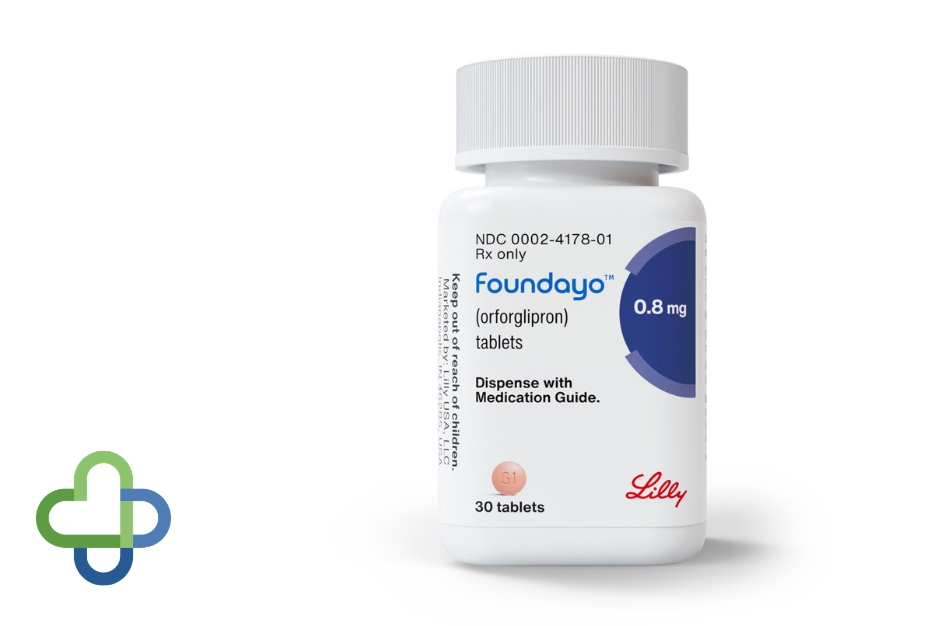
Orforglipron is a once-daily weight loss pill developed by Eli Lilly and marketed in the US as Foundayo. Unlike injectable GLP-1 treatments, it is taken by mouth without food or water restrictions. Here, we explain how orforglipron works, how effective
The Wegovy pill has been approved in the UK and is expected to become available through regulated providers from 1 July 2026. Learn who may be eligible, how to access it safely and what to expect from this once-daily weight
The Wegovy tablet is a once-daily weight loss pill containing semaglutide, offering an alternative to weekly injections. Discover how it works, how much weight people may lose, how it compares with injections and when it could become available in the

Related products

Read more about Women's Health

finasteride side effects leaflet - buy cheap finasteride online in the UK

How To Reduce Side Effects Of Finasteride

How to the reduce side effects of Finasteride Table of Contents Written by: The Family ChemistMedically reviewed by: Tannaz SohrabiPublished: 30/03/2026 What is Finasteride and how does it work? Finasteride is a commonly prescribed medication for male pattern baldness (androgenetic alopecia) and benign prostatic hyperplasia (BPH). Finasteride works by blocking the

Read more
The Family Chemist | UK Online Pharmacy | NHS Prescriptions
Privacy Overview

This website uses cookies. We use cookies to provide social media features and to analyse our traffic and to make certain features work (for example the navigation menu).

We use the following types of cookies on our site, Required and Statistics.

You can learn more by clicking here.