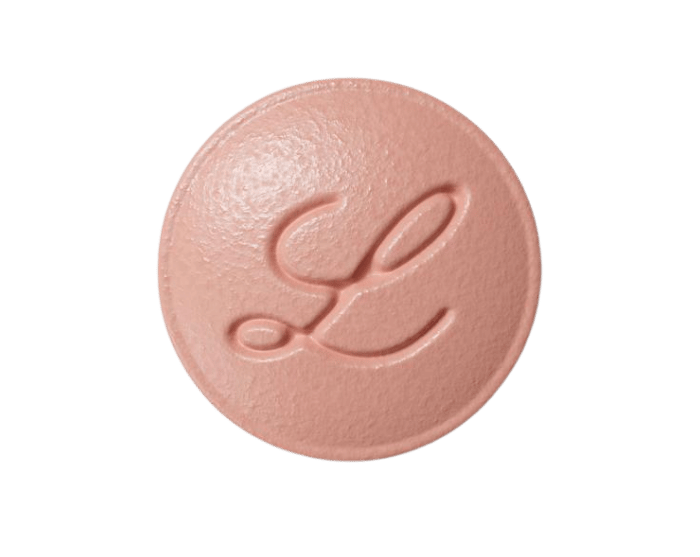











Oral minoxidil is a once-a-day tablet that helps regrow hair in men with pattern hair loss.
- Clinically supported regrowth
- Once-a-day and simple to take
- Can be used with Finasteride and Dutasteride
Pricing
| 2.5 mg | |
| 60 Tablets | £43.99 |
| 120 Tablets | £78.99 |
| 180 Tablets | £113.99 |
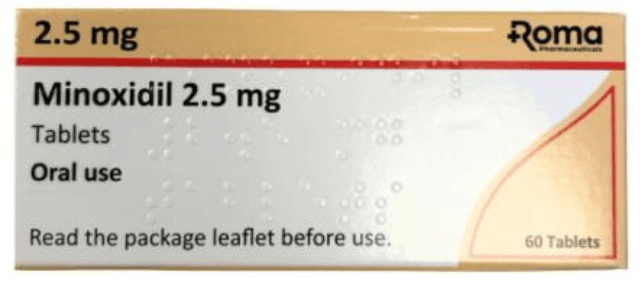
NOTE: Brands and packaging may differ from picture.
When starting the consultation you will be redirected to the treatments page where you can start the short questionnaire.

Same day dispatch if ordered before 2pm

Discreet and plain packaging

Free expert support & advice

GPhC Registered

Free Delivery (Orders Over £20)

Confidential & Discreet
Buy Minoxidil oral tablets
How to order Minoxidil online:
- Complete a short online consultation to see if you’re eligible for treatment
- Reviewed by one of our clinicians
- If approved, we post it to you with tracked delivery and discreetly
What is Minoxidil?
Minoxidil is a prescription only medicine that can be prescribed off-label for male pattern hair loss. It can help slow hair thinning and support regrowth, but results vary from person to person.
How does Minoxidil work?
Minoxidil relaxes and widens small blood vessels through a process called vasodilation, which improves blood flow to your hair follicles. This pushes hairs into the active growth phase so that they can grow over time.
Does oral minoxidil work?
Minoxidil has been proven to work in numerous studies. In a clinical trial 64% of men taking oral minoxidil 2.5mg showed improvement after 24 weeks when assessed by dermatologists. Increasing the dose to 5mg did not produce significantly greater improvements in measured hair density.
How long does oral minoxidil take to work?
Most patients notice the first changes at around 3 to 4 months of daily use and see the best results at 12 months. Some patients shed a little more hair than usual in the first 4 to 8 weeks; this is normal, and it usually means the follicles are shifting into a new growth cycle.
How to take minoxidil 2.5mg tablets
- Take 1.25mg (half a 2.5mg tablet) once a day for the first 14 days. A pill splitter helps you halve it evenly.
- If you’re tolerating it well, move to one 2.5mg tablet once a day.
- Take the tablet at the same time each day, with or without food.
- Take it consistently – minoxidil only works while you’re taking it.
If you miss a dose, take it when you remember, unless your next dose is close – then skip it. Never double up on a dose to make up for a missed dose.
Is oral minoxidil safe?
Oral minoxidil has a well-established safety record, and most people tolerate it well. In a study of 1,404 patients, the most common side effect was unwanted facial or body hair growth, reported by 15.1% of patients. Other side effects were less common, including light-headedness (1.7%), fluid retention (1.3%) and a fast heart rate (0.9%). Overall, 1.7% of patients stopped treatment because of side effects.
Because minoxidil can affect blood pressure and heart rate, a clinician may suggest monitoring your blood pressure, particularly at the higher end of the dose range. As a GPhC-registered pharmacy, one of our clinicians reviews every consultation individually before approving treatment.
Is oral minoxidil safe?
Oral minoxidil has a well-established safety record, and most people tolerate it well. From research, very few people stop because of side effects. In a 2025 review, fewer than 1% discontinued due to extra hair growth, the most common issue.
Because minoxidil can affect blood pressure and heart rate, your prescriber may suggest monitoring your blood pressure, particularly at the higher end of the dose range. As a GPhC-registered pharmacy, one of our clinicians reviews every consultation individually before approving treatment, and again if your dose changes.
Oral minoxidil side effects
Most people tolerate oral minoxidil well with mild and reversible side effects. Side effects include:
- headaches
- mild fluid retention (ankles)
- Dizziness or light-headedness
Less commonly, minoxidil can affect the heart and circulation.
Get medical help straight away if you notice:
- a fast or pounding heartbeat
- chest pain
- fainting
- significant shortness of breath
- sudden unexplained weight gain
- significant swelling of the ankles or feet
Always read the Patient Information Leaflet that comes with your medicine and contact our pharmacy or your GP if you have any concerns.
Who can take oral minoxidil?
Oral minoxidil is suitable for adults aged 18 and over with pattern hair loss (androgenetic alopecia). Because everyone’s medical history is different, we always confirm suitability through an online consultation before purchase.
If minoxidil isn’t suitable for you, our clinicians can point you to alternative hair loss treatments.
Oral minoxidil vs topical minoxidil
The 2025 meta-analysis comparing the two found no meaningful difference in hair density or thickness between oral and topical minoxidil, but it did find more unwanted hair growth with the tablet. So, the choice usually comes down to what fits your routine and how your scalp responds.
| Oral minoxidil (tablets) | Topical minoxidil (foam / solution) | |
|---|---|---|
| How it’s used | One small tablet taken by mouth each day | Applied directly to the scalp once or twice daily |
| Coverage | Systemic; reaches the whole scalp | Localised to the areas where it’s applied |
| Convenience | Quick and mess-free; nothing to apply | Can be messy and time-consuming; needs daily application |
| Side effects | Systemic effects possible (e.g. increased body hair, fluid retention) | Mainly local (scalp irritation, dryness, itching) |
| Best suited to | Diffuse thinning, or people who struggle to use topical consistently | First-line treatment; those who prefer a localised option |
Taking oral minoxidil with finasteride or dutasteride
Pairing minoxidil with a DHT-blocker like Finasteride or Dutasteride is one of the most common approaches, because the two work in completely different ways – minoxidil improves the follicle’s environment, while finasteride and dutasteride reduce the DHT that shrinks follicles in the first place. In a UK service evaluation of 502 men on combined oral minoxidil and finasteride, around 92% had stable or improved hair at 12 months.
Is it safe to drink alcohol on oral minoxidil?
Minoxidil lowers blood pressure, and so does alcohol, so it can intensify side effects like dizziness and light-headedness. It’s advised refraining from alcoholic beverages while taking minoxidil tablets.
If you drink regularly or you’re unsure, mention it at your consultation, and your prescriber can advise.
What happens if you stop taking oral minoxidil?
Within a few months of stopping treatment, the hair you’ve gained will fade as the hair follicles revert to their previous state. Talk to our prescribers first – they can walk you through the options and advise if it’s the right decision.
What if oral minoxidil isn’t working?
If you’re not seeing results, don’t stop straight away. Contact our pharmacy first, because an additional treatment may be appropriate such as finasteride and dutasteride, which block DHT rather than improving blood flow.
Alternatives to oral minoxidil
Minoxidil is one of several effective treatments, and it isn’t your only choice. The main alternatives we stock are:
Finasteride — a daily tablet that blocks DHT, the hormone behind pattern hair loss.
Dutasteride — a stronger DHT-blocker, sometimes used when finasteride alone isn’t enough.
Propecia — the branded version of finasteride.
Regaine — branded topical minoxidil you apply to the scalp.
A lot of people pair a DHT-blocker with minoxidil for a better effect. The best option depends on your case, so it’s worth going through it with a prescriber.
FAQs
Is minoxidil available on the NHS?
No. Hair loss treatments count as cosmetic, so you can’t get them on the NHS, and you’ll need a private prescription.
Do I need a prescription for oral minoxidil in the UK?
Yes. Oral minoxidil is prescription-only and can’t be bought over the counter. You can get it from The Family Chemist by completing our short online consultation, which a clinician reviews before approving treatment.
Can I take oral minoxidil with finasteride?
Yes, and it’s a common pairing. Minoxidil improves blood flow to the follicles while finasteride blocks DHT, so they tackle hair loss from two different angles. A clinician will confirm if combining minoxidil with finasteride is suitable for you.
Will my hair fall out when I start minoxidil?
Some people shed a bit more in the first 4 to 8 weeks. It’s normal and usually means follicles are moving into a new growth cycle, with new hair coming through. It isn’t a reason to stop.
Is minoxidil safe for long-term use?
For most people, yes. Low-dose oral minoxidil is designed for long-term use and is well tolerated under medical supervision; recent reviews found that side effects were mostly mild. Our prescribers check your suitability before you start and while you’re on it.
Can I use oral and topical minoxidil at the same time?
We don’t generally recommend it, as using both together can raise the risk of side effects, so most people stick to one. If you’re on topical minoxidil and thinking about switching to tablets, check with your prescriber first.
More treatments available
References
- Efficacy and Safety of Oral Minoxidil in the Treatment of Alopecia: A Single-Arm Rate Meta-Analysis and Systematic Review (2025) Frontiers in Pharmacology, PubMed [accessed 5th August 2026]
- Efficacy and Safety of Minoxidil Therapy: A Systematic Review and Meta-Analysis Weighing the Benefits Against the Risk of Hypertrichosis (2025) JAAD Reviews [accessed 5th August 2026]
- Efficacy and Safety of Oral Minoxidil vs Topical Solution in Androgenetic Alopecia: A Meta-Analysis of RCTs (2025) International Journal of Dermatology, Wiley Online Library [accessed 5th August 2026]
- Combined Oral Minoxidil and Finasteride in Male Androgenetic Alopecia: A UK Retrospective Service Evaluation (2025) PMC, National Library of Medicine [accessed 5th August 2026]
- Minoxidil Patient Information Leaflet / SmPC (2026) Electronic Medicines Compendium (EMC) [accessed 5th August 2026]
- Hair loss (2026) NHS [accessed 5th August 2026]
Regulated care you can trust
MHRA-approved and GPhC regulated; we strive to provide the highest standards of care.
General Pharmaceutical Council
General Pharmaceutical Council
The GPhC is the regulator that inspects pharmacies to make sure they meet the highest standards, keeping your safety their top priority.
National Pharmacy Association
The NPA represents independent pharmacies across the UK, offering advice, support, and providing our professional indemnity cover.
Medicines & Healthcare products Regulatory Agency
The MHRA makes sure medicines and medical devices are safe and effective. They approve licenses and monitor safety through the Yellow Card scheme. All our products are MHRA approved.
Digital Clinical Excellence
DiCE is a UK network that works to improve safety and quality in digital healthcare.
Meet our medical professionals
Our clinicians are experts in medicines, nutrition, patient care, and governance.







Aaliyah Nelson
Nutritionist