Wegovy tablet preorder today
New Weight Loss Tablet. Order Now
Your Cart

Menu

View all Online Doctor For Schools
Erectile Dysfunction Hair Loss
Shop All View Shop Categories Baby and Child Ear Care Eye Care First Aid Haemorrhoids Men's Health Self Testing Sexual Health Sleep Stop Smoking
Please choose a Saxenda
Please choose a Liraglutide

Can cystitis go away on its own?

Yes, Mild cystitis often clears up on its own within a few days and doesn't always need antibiotics. You can usually ease the symptoms at home while it settles. See someone instead of waiting it out if your symptoms are severe, if they aren't improving after about three days, if they keep coming back, or if you're pregnant, a man, or feeling very unwell.
11 min read time
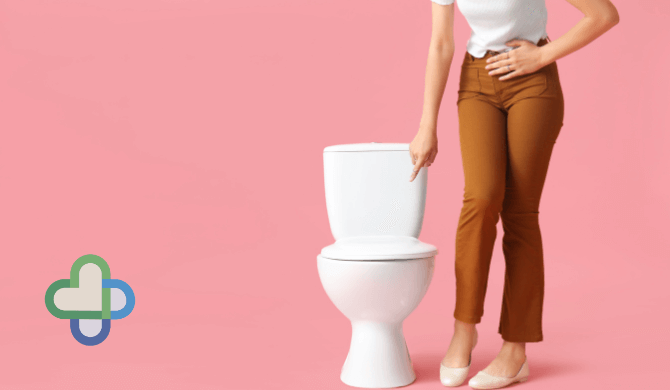
woman suffering with cystitis next to a toilet - buy cystitis treatment

Written by: Sunny Dhain

Medically reviewed by: Tannaz Sohrabi

Published 05/07/2024 Updated 06/08/2026
woman suffering with cystitis next to a toilet - buy cystitis treatment

Content

Sign up to enjoy regular updates, exclusive promotions, and special offers.

Key takeaways

  • Mild cystitis usually clears up on its own within a few days, often without antibiotics.
  • Left alone, it can last up to about a week. With antibiotics, symptoms often start improving within a day or two.
  • Simple self-care helps while it settles: plenty of fluids, paracetamol for pain, rest, and steering clear of bladder irritants.
  • See a pharmacist or GP if your symptoms are severe, if they don't improve within about three days, or if they keep coming back.
  • See a GP promptly if you notice blood in your urine.
  • Always get checked if you're pregnant, a man, or having these symptoms for the first time, or if you have signs of a kidney infection (fever, back or side pain, chills, feeling very unwell).
  • Women aged 16–64 can be assessed and treated for a UTI free of charge through the NHS Pharmacy First service (England only).

Cystitis is inflammation of the bladder, and it’s one of the most common conditions women deal with. Many people get it more than once. It usually shows up as a burning feeling when you pee, needing to go more often, and an ache low in your abdomen.

Most people want to know one thing: will it settle on its own, or do they need treatment? Here’s how to tell, how long it tends to last, what you can do at home, and when to get seen.

Need cystitis treatment? Two easy ways to get seen 

Assessed by our clinicians · Discreet delivery from our GPhC-registered pharmacy 

Mild and irritant-related cystitis 

Mild cystitis often improves on its own once any trigger is removed. That’s especially true when it comes from irritation rather than infection, for example, from certain soaps, bubble baths, or feminine hygiene sprays.

Interstitial cystitis (also called painful bladder syndrome) is different. It’s a longer-term, non-infective condition whose symptoms come and go, and it usually needs ongoing management. 

Bacterial cystitis 

Bacterial cystitis is the most common type of Cystitis which is caused by bacteria (usually E. coli) entering the urinary tract. Your immune system can sometimes clear a mild bacterial infection on its own, but there’s a risk it could worsen or spread to the kidneys if it doesn’t settle. 

That’s why if your symptoms aren’t improving after a few days, a short course of antibiotics is usually recommended to clear it completely. 

How long does cystitis last? 

How long cystitis lasts mostly depends on whether you treat it and how your body responds. 

SituationTypical timelineWhat to do
Mild cystitis, left to settle on its ownOften improves within a few days; can last up to about a weekSelf-care; get advice if not improving in ~3 days
Treated with antibioticsSymptoms often ease within 1–2 days; a typical course is 3 days for womenFinish the full course, even if you feel better
Recurrent or persistent cystitisComes and goes over weeks or monthsSee a GP for review and further tests

As a rule of thumb, check in with a pharmacist or GP if your symptoms haven’t started to improve within about three days, or within 48 hours of starting treatment. 

There’s no need to wait longer than that to get advice. 

Can cystitis be cured without antibiotics? 

Often, yes. Many mild cases settle without antibiotics, and there’s plenty you can do to feel more comfortable while your body clears it.

These steps won’t cure a bacterial infection by themselves, but they can ease your symptoms and support your recovery: 

  • Drink plenty of fluids. Water helps flush bacteria through your urinary tract, so aim to keep your urine pale. 
  • Go when you need to and empty your bladder fully. Holding on lets bacteria linger. 
  • For pain, paracetamol is usually the best first choice, and it also brings down any raised temperature. If you’d rather take ibuprofen, check if it’s suitable for you, or ask your pharmacist. 
  • A hot water bottle held against your lower tummy can ease the ache and pressure. 
  • Cut back on caffeine, alcohol, and acidic drinks while symptoms last, as these can irritate the bladder. 
  • Be gentle with the area, and avoid strong soaps, perfumed products and douches that can irritate the urethra. 
  • Try Cystitis sachets to help in the initial days of your symptoms. But don’t use them if you’re on antibiotics to treat your cystitis. 


One word on cranberry products and cystitis sachets. The evidence is mixed, and the NHS says there’s no solid proof they treat a urinary infection once it has taken hold.

So don’t lean on them in place of treatment if your symptoms are getting worse or won’t shift. 

What if cystitis lasts for weeks or months? 

Cystitis that lingers or keeps coming back needs a proper review by a doctor. 

Recurrent cystitis usually means three or more episodes in a year, or two within six months.

Symptoms that drag on for weeks or months, or that don’t respond to antibiotics, can point to a persistent infection, interstitial cystitis, or another underlying cause. 

If this sounds like you, see a GP. They can test your urine, look for any underlying factors, and put a longer-term plan in place.

That might include preventive measures or, in some cases, a stand-by or low-dose antibiotic prescription. 

What happens if cystitis is left untreated? 

Most mild cystitis settles without trouble. But if a bacterial infection doesn’t clear and isn’t treated, it can lead to: 

  • A kidney infection (pyelonephritis), if bacteria travel up to the kidneys. The signs include a high temperature, chills, pain in your lower back or side, and feeling sick; they need prompt medical attention. 
  • Repeated or ongoing symptoms, with infections that keep returning or won’t fully clear and start to wear on daily life. 
  • A greater chance of complications in some groups, including pregnant women, older adults, and people with diabetes or a weakened immune system. 

When to see a pharmacist or doctor 

Don’t just wait it out. Get advice if: 

  • your symptoms are severe, or haven’t improved within about three days of self-care 
  • you notice blood in your urine, which always needs checking by a GP promptly 
  • you keep getting cystitis (three or more times a year) 
  • it’s the first time you’ve had these symptoms 
  • you have diabetes, kidney problems or a weakened immune system 


A few situations always need medical advice, not just self-care:

if you’re pregnant, if you’re a man or a child with these symptoms, or if you have a urinary catheter. And get urgent help if you have signs of a kidney infection, such as a high temperature, chills, back or side pain, or feeling very unwell. 

Getting treated without seeing a GP 

You don’t always need a GP appointment. If you’re a woman aged 16–64, you can be assessed and treated for a UTI free of charge through the NHS Pharmacy First service.

Prefer a private route, or fall outside that age range? You can complete our online cystitis consultation, reviewed by our clinicians, with treatment delivered discreetly if it’s suitable for you. 

Cystitis and UTIs: what’s the difference? 

The terms are often used interchangeably, but they’re not quite the same.

“UTI” (urinary tract infection) is the umbrella term for an infection anywhere in the urinary system: the kidneys, ureters, bladder or urethra.

Cystitis is specifically inflammation of the bladder, so it counts as one type of lower UTI. All cystitis is a UTI, but not all UTIs are cystitis. 

Doctors usually split UTIs into two groups: 

  • Lower UTIs affect the bladder (cystitis) and the urethra (urethritis). These are the most common and usually the least serious. 
  • Upper UTIs involve the kidneys (pyelonephritis) and the ureters. They tend to cause more serious symptoms, such as fever and back pain, and need prompt treatment. 

Common cystitis symptoms 

Cystitis symptoms can come on suddenly. The most common ones are: 

  • a burning or stinging feeling when you pee 
  • needing to pee more often, and more urgently, even when little comes out 
  • pain, pressure or a dull ache low in your abdomen 
  • cloudy, dark or strong-smelling urine 
  • needing to get up in the night to pee (nocturia) 
  • feeling generally under the weather, sometimes with a mild temperature 


If you notice blood in your urine (it can look pink, red or cola-coloured), see a GP promptly, as this always needs checking. And get urgent help if you have symptoms of a kidney infection.

How The Family Chemist can help 

If you need treatment, our clinicians can assess your symptoms and, where appropriate, prescribe a short course of antibiotics, which will be dispensed by our GPhC-registered pharmacy. Options include: 

  • Nitrofurantoin MR 100mg Capsules (Macrobid), from £11.49. One capsule twice daily for 3 days; a short, modified-release course. 
  • Trimethoprim, from £11.49. One tablet twice daily for 3 days; a short, targeted course. 


Prices are shown as a guide and confirmed at checkout. To get started, complete an online consultation, choose your preferred treatment if suitable, and receive discreet delivery. 

Frequently Asked Questions

Can cystitis go away on its own without treatment?

Often, yes. Mild cystitis usually clears up on its own within a few days, and mild cases don’t always need antibiotics. Self-care can ease symptoms while it settles. If it’s not improving after about three days, keeps returning, or you’re pregnant or feel very unwell, get it treated. 

Left to settle on its own, mild cystitis often improves within a few days and can last up to about a week. With antibiotics, symptoms usually ease within 1–2 days. Recurrent or persistent cystitis can come and go over weeks or months and should be reviewed by a GP. 

Many mild cases settle without antibiotics. Drinking plenty of fluids, taking paracetamol for pain, using a hot water bottle and avoiding bladder irritants can all help. If symptoms are severe or aren’t improving after a few days, a short course of antibiotics is usually needed to clear a bacterial infection.

Drinking plenty of water and peeing often and fully help flush bacteria from your urinary tract, while pain relief and heat ease discomfort. There’s no good evidence that cranberry products or cystitis sachets treat an infection once it has started, so don’t rely on them if symptoms are worsening.

It can. Cystitis that persists for weeks, keeps returning, or doesn’t respond to antibiotics may point to a recurrent infection, interstitial cystitis, or another underlying cause. See a GP for tests and a longer-term plan. 

Not quite. A UTI is any infection in the urinary tract; cystitis is specifically a bladder infection, so it’s one kind of lower UTI. All cystitis is a UTI, but not all UTIs are cystitis.

Yes. Women aged 16–64 can be assessed and treated for a UTI free of charge through the NHS Pharmacy First service. You can also complete our private online cystitis consultation, reviewed by our clinicians, with discreet delivery if treatment is suitable.

How we reviewed this article:

Sources

Share:
Medically reviewed by:

Tannaz Sohrabi

Tannaz is Governance Pharmacist at The Family Chemist, where she leads the clinical governance and safety standards of the pharmacy and online clinic. With extensive experience across both hospital and community pharmacy, she brings a strong clinical background and a deep understanding of patient care to the service.

Last reviewed: 6th Aug 2026

Blog suggestions

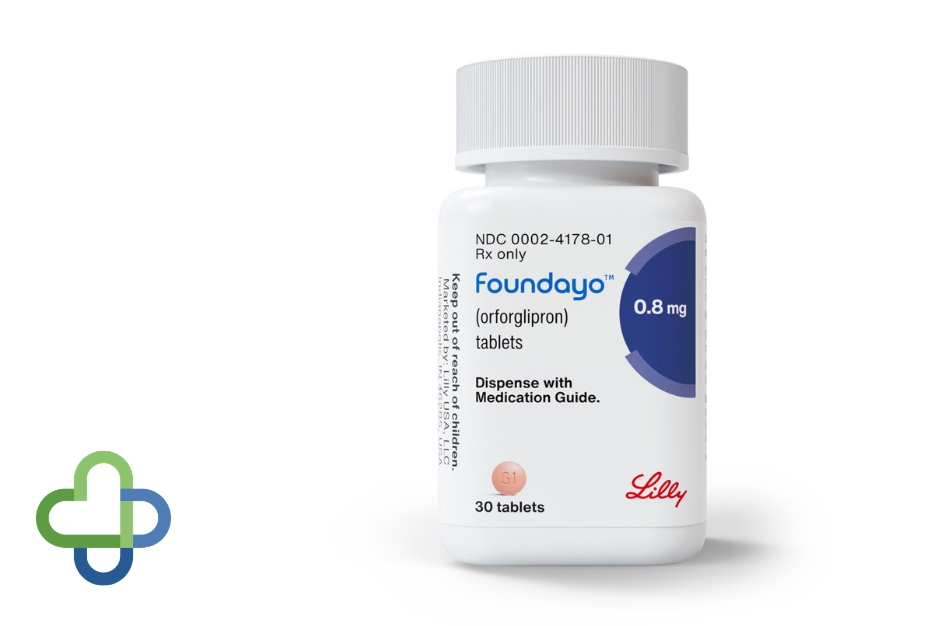
Orforglipron is a once-daily weight loss pill developed by Eli Lilly and marketed in the US as Foundayo. Unlike injectable GLP-1 treatments, it is taken by mouth without food or water restrictions. Here, we explain how orforglipron works, how effective
The Wegovy pill has been approved in the UK and is expected to become available through regulated providers from 1 July 2026. Learn who may be eligible, how to access it safely and what to expect from this once-daily weight
The Wegovy tablet is a once-daily weight loss pill containing semaglutide, offering an alternative to weekly injections. Discover how it works, how much weight people may lose, how it compares with injections and when it could become available in the

Related products

Read more about Women's Health

finasteride side effects leaflet - buy cheap finasteride online in the UK

How To Reduce Side Effects Of Finasteride

How to the reduce side effects of Finasteride Table of Contents Written by: The Family ChemistMedically reviewed by: Tannaz SohrabiPublished: 30/03/2026 What is Finasteride and how does it work? Finasteride is a commonly prescribed medication for male pattern baldness (androgenetic alopecia) and benign prostatic hyperplasia (BPH). Finasteride works by blocking the

Read more
The Family Chemist | UK Online Pharmacy | NHS Prescriptions
Privacy Overview

This website uses cookies. We use cookies to provide social media features and to analyse our traffic and to make certain features work (for example the navigation menu).

We use the following types of cookies on our site, Required and Statistics.

You can learn more by clicking here.