









What Causes Erectile Dysfunction? Symptoms, Risk Factors, and Treatments Explained
Erectile dysfunction (ED) is a common condition affecting over 50% of men between 40 and 70 in the UK…






This new year, don’t let hair loss hold you back. Hair loss treatments; whether foams, tablets or solutions, have shown great results for many people wishing to regain the hair line or thicken their locks. However, treatments can be slow to show results. Waiting for results can be stressful if there is a delay, and this stress can only delay results further. Regardless of which treatment you have chosen, or are considering, for your hair regrowth; results happen in stages and relies upon consistent care.
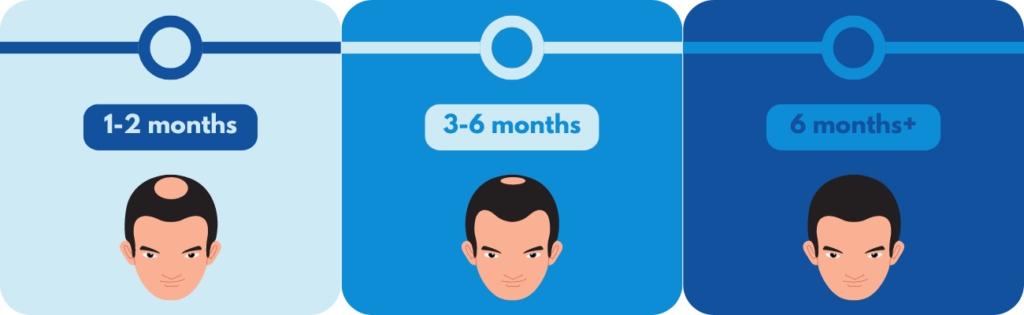
Most hair loss treatments can take between three to six months before you can notice a difference, and six to twelve months before you can truly see results. It all relies upon the hair’s natural cycle and how it moves from one stage to the next.
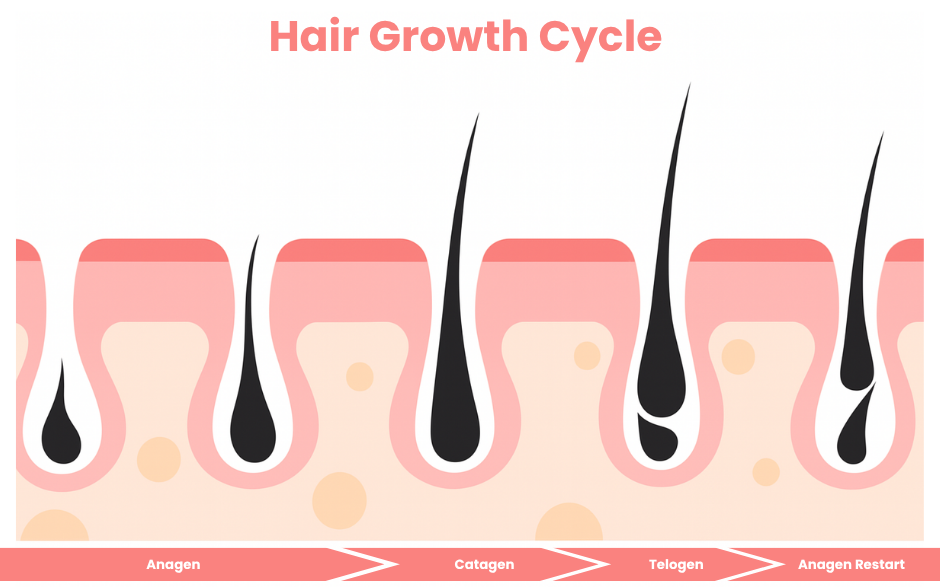
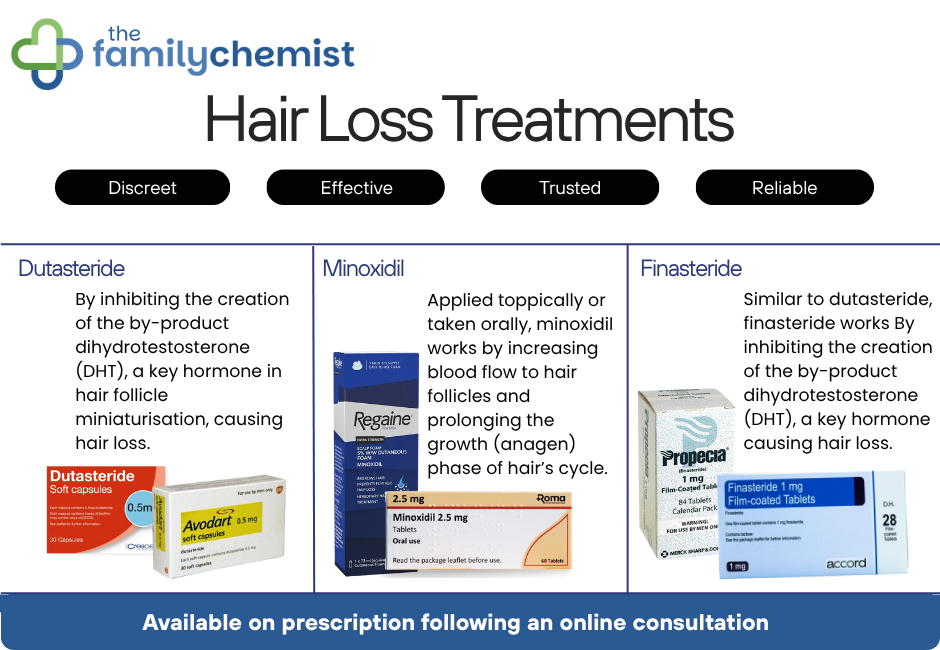
Treatments work in slightly different ways to support hair health and regrowth; minoxidil working on blood flow to follicles in order to extend the growth phase; and finasteride and dutasteride reducing dihydrotestosterone (DHT) levels in the body which shrink follicles and cause hair to fall out.
But no matter the option, the timeline is surprisingly quite similar.
You’re unlikely to see anything at all during the first few weeks, this is completely normal. All the work is happening behind the scenes:
Finasteride & Dutasteride: DHT levels start to fall.
Minoxidil: Blood flow and follicle activity begins to increase.
All Treatments: Hair follicles shift into a new growth cycle.
It’s normal in this early stage of treatment to notice some irritation to the scalp (when using topical treatments), and some mild shedding. Don’t panic, this is just part of the process.
Some people using hair loss treatments at this stage may experience increased hair shedding. The reason why this happens is that the older, weaker hair are being pushed out to make way for the new, thicker hair. This shedding is usually only temporary and settles within a few weeks.
This can be alarming; and for many the point at which many might decide to discontinue treatment. But it is important to be consistent with treatment; stopping at this stage is one of the most common reason results don’t happen.
At this stage, most people begin to notice subtle changes such as less hair fallout in the shower or sink drains, and their hairline looking a little thicker. These changes are slight, and possibly hard to notice day-to-day, but rest assure, improvement is happening.
This is where the change becomes truly noticeable. Changes such as hair which may have been lost in an earlier stage growing back thicker and stronger, bald patches beginning to fill in around the edges, and the top and crown of the head becoming denser.
Between 6 and 12 months, results continue to improve. Including:
For many patients, this is when the transformation becomes fully noticeable to others.
Once you reach the 12-month mark, you’re entering the maintenance phase of keeping the hair you’ve regrown. Stopping treatment may reverse results as hair returns to its previous routine and cycle. But maintenance can keep hair healthy and thicker.
Usually we advise that if, after 6 months, you see no reduction in shedding, or if after 12 months you have not seen any meaningful response to treatment, then it might be worth discussing treatment options. Either switching or combining treatments (such as minoxidil and finasteride) can sometimes improve results.
Consider other lifestyle options which can help to prevent hair loss to aid hair health and reduce shedding.
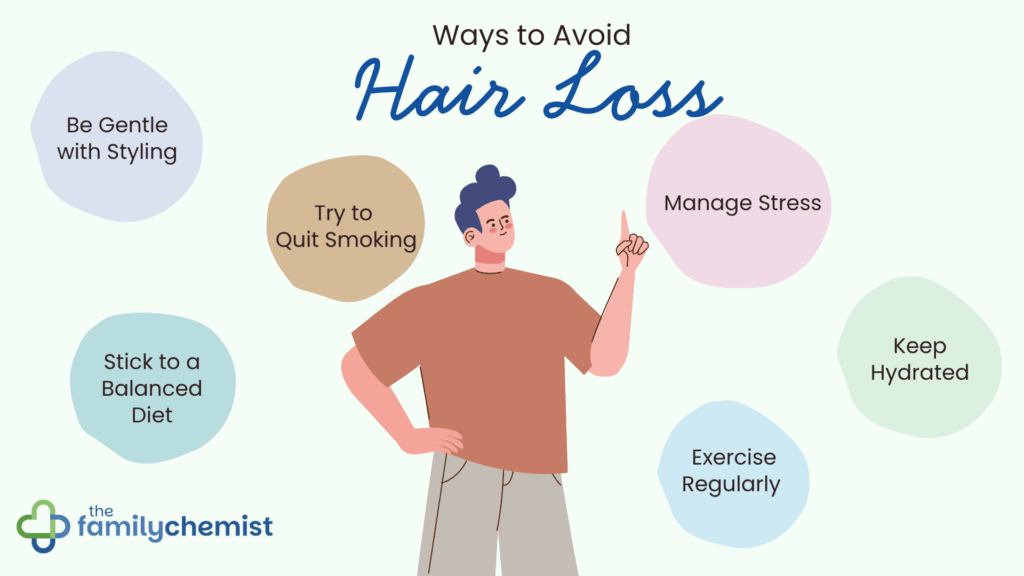
Hair regrowth is a marathon, not a sprint. For most people, full results can take up to a year. Regardless of which treatment option you are considering or using, or even if you are using a combination treatment; patience is key. Be consistent, be patient, and track your progress with photos to see the noticeable difference.




Erectile dysfunction (ED) is a common condition affecting over 50% of men between 40 and 70 in the UK…
How to Reduce Side Effects of Finasteride Table of Contents Written by: The Family ChemistMedically reviewed by: Tannaz SohrabiPublished: 30/03/2026 Finasteride is a widely prescribed medication in the UK, used for treatment of male pattern baldness and benign prostatic hyperplasia (BPH). While it is effective for many men, some have concerns

Erectile dysfunction (ED) is a common condition affecting over 50% of men between 40 and 70 in the UK…