
What Causes Erectile Dysfunction? Symptoms, Risk Factors, and Treatments Explained
Erectile dysfunction (ED) is a common condition affecting over 50% of men between 40 and 70 in the UK…





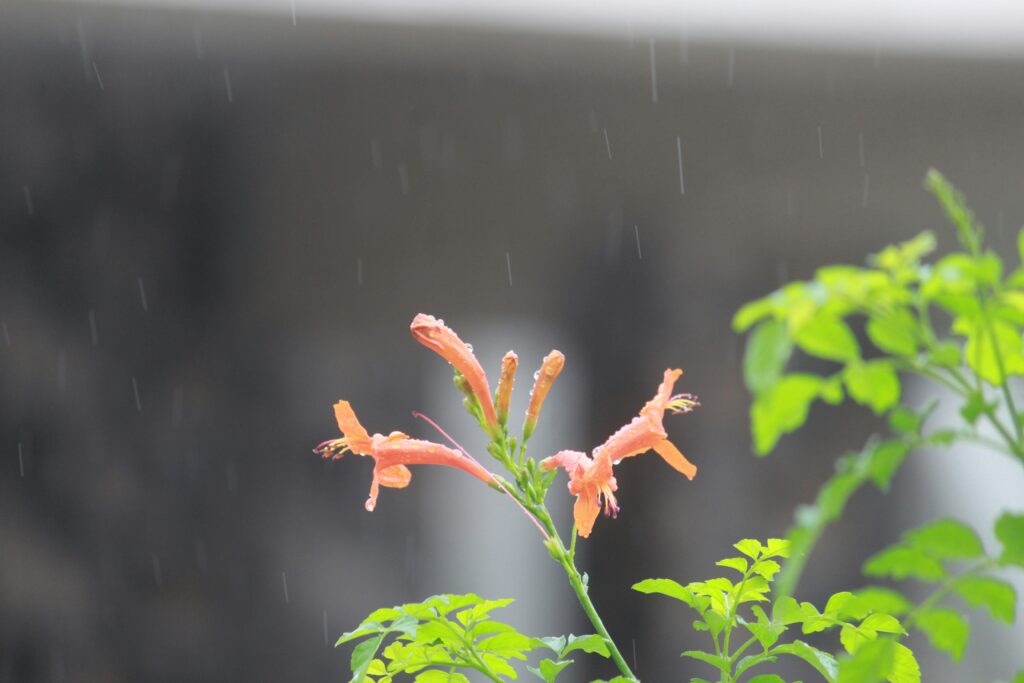
Hay Fever season is here, and for many sufferers rain can feel like a temporary (or in Britain, frequent) relief from sneezing fits and itchy eyes. However, the relationship between hay fever and rain is a little more complicated than it appears. While it may seem that the pollen causing hay fever would be washed out of the air by rain, this isn’t always the case. Understanding how rainfall and different types of weather affect pollen levels could help manage your symptoms more effectively and enjoy the summer – come rain or shine.
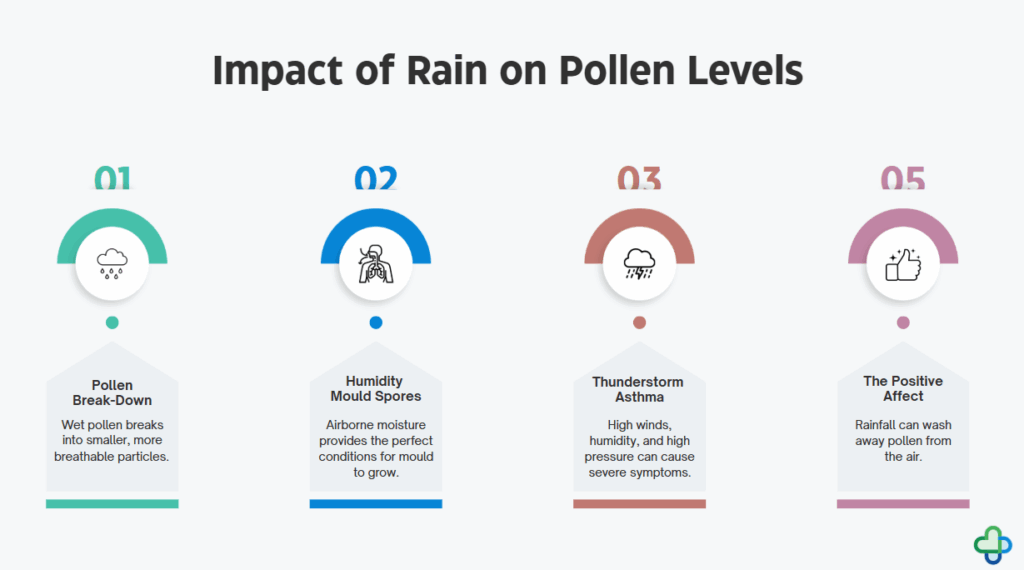
When it comes to rainfall’s impact on pollen, there’s no one-size-fits-all answer. Rain can have different effects on pollen that may improve or worsen hay fever symptoms.
Pollen Break-Down – When pollen gets wet, it can break down into smaller, more breathable particles. These smaller ‘fragments’ can penetrate deeper into the respiratory system and may intensify allergic reactions. Even a light drizzle can cause this effect.
Humidity Mould Spores – Rain, or any airborne moisture, increases humidity, which provides the perfect conditions for mould spores to grow. Another common trigger for hay fever and asthma.
Thunderstorm Asthma – Though rare, some individuals can develop asthma symptoms during thunderstorms, even if they’ve have never experienced asthma before. This is due to high winds, humidity, and rapid changes in temperature breaking apart pollen grains, combined with increased air pressure that stirs up allergens. When inhaled deeply into the lungs, pollen and mould spores can cause severe symptoms.
The Positive Affect – It’s not all doom and gloom. Rainfall, whether a light shower or a downpour, can wash pollen out of the air and lead to a lower pollen count on these wet days.
Checking pollen forecasts is a great way to make the most of spring and summer when dealing with hay fever. Don’t just assume the pollen count will be low because of rain. While rain can help with pollen levels, it’s always best to check so you can are prepared.
Keeping windows closed, especially during and after rainfall, will help keep pollen and mould spores out of your home. What’s more, preventing excess moisture indoors during warm weather helps stop mould growing and damaging your walls and furniture.
During periods of poor weather, such as thunderstorms, it’s good practice to stay indoors as much as possible. When you return home, shower and change clothes to remove pollen particles that may have settled on your skin or clothing.
If you’re prone to asthma or hay fever symptoms during unsettled weather, speak to clinician or GP about possible medication. They may advise using a preventer inhaler, and carrying a reliever inhaler for when it’s needed.
It’s essential during hay fever season to stay stocked up so you’re ready for any weather. Antihistamines are an excellent way to ease symptoms, keeping watery eyes and sneezing to a minimum. Tablets such as cetirizine and loratadine are great first-line defence antihistamines that can relieve runny noses, itchy eyes, and sneezing.
More direct options include eye drops like sodium cromoglicate, which can soothe irritated eyes caused by allergies, or steroid nasal sprays, which reduce inflammation in the nose where symptoms occur.
Don’t let the rain catch you off guard. Be prepared, whatever the weather.
While rain can offer a temporary reduction in pollen levels, it can also aggravate hay fever symptoms by breaking pollen down into smaller, more allergenic particles. It’s important to understand how different weather conditions affect pollen levels, and how to manage their impact on your heath to ensure. So you can stay safe and breathe clearly.



Erectile dysfunction (ED) is a common condition affecting over 50% of men between 40 and 70 in the UK…
How to the reduce side effects of Finasteride Table of Contents Written by: The Family ChemistMedically reviewed by: Tannaz SohrabiPublished: 30/03/2026 What is Finasteride and how does it work? Finasteride is a commonly prescribed medication for male pattern baldness (androgenetic alopecia) and benign prostatic hyperplasia (BPH). Finasteride works by blocking the

Erectile dysfunction (ED) is a common condition affecting over 50% of men between 40 and 70 in the UK…