







What Causes Erectile Dysfunction? Symptoms, Risk Factors, and Treatments Explained
Erectile dysfunction (ED) is a common condition affecting over 50% of men between 40 and 70 in the UK…





Sunglasses, sunhat, suncream – these are likely already on your holiday checklist. But what about anti-malarial medication?
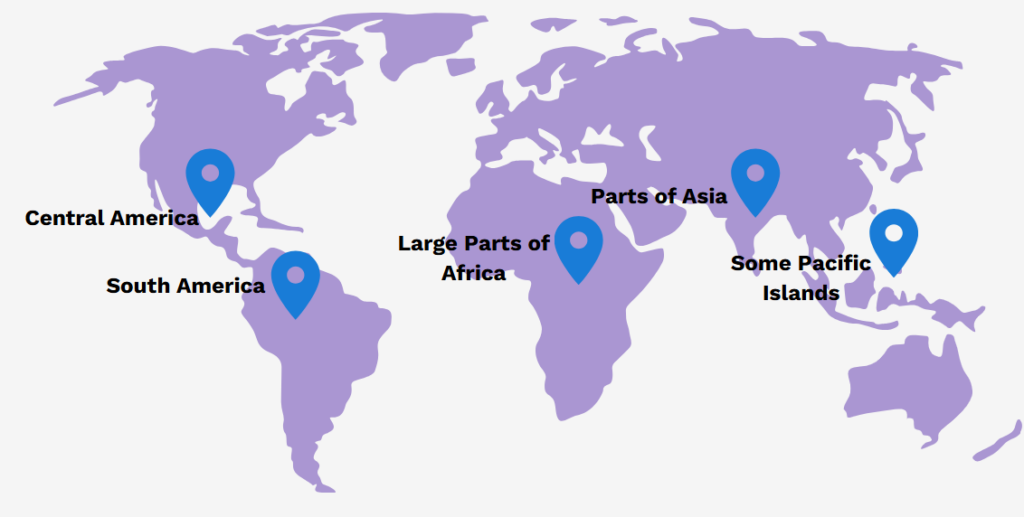
Malaria continues to rise in reported cases, numbers climbing each year. This time-sensitive disease is life-threatening and can be hard to spot once contracted. Caused by the plasmodium falciparum parasite, typically spread through mosquito bites; malaria is found in tropical and subtropical regions of the globe. If you’re travelling to (or even through) these areas, it’s crucial to be prepared and take precautions.
If visiting one of these areas, you will need to consider how to prevent contracting the disease. Anti-malarial medications are a vital tool in this prevention. This treatment – depending on the medication you take – could begin anywhere from a few days to a few weeks before entering the endemic area. Be prepared, consult a healthcare professional 4-6 weeks before you travel to ensure the correct treatment.
Aside from medication, you may also consider these precautions to avoid mosquito bites which include:
There are many options for anti-malarial medication, so it’s important to consult a healthcare professional to determine which medication is right for you. Taking into consideration factors such as; where you are travelling to, how long you are travelling for, any pre-existing medical conditions etc.
They work by targeting the parasite responsible for malaria; either killing the parasite directly or preventing reproduction in your bloodstream. In the UK, the anti-malaria medications available include chloroquine, atovaquone-proguanil (Malarone), doxycycline, and mefloquine (Lariam).
When travelling, even with caution, it can be impossible to fully avoid getting bitten, and anti-malarial medication can offer that extra level of protection against this disease.
Anti-malarial medication should be taken in advance to travelling, during your stay, and for a length of time once you return home. However, the specific time-frame and regularity will vary depending on the specific medication prescribed.
| Malarone | Lariam | ||
| Active ingredient | Atovaquone-Proguanil | Doxycycline | Mefloquine |
| How is it taken? | One tablet a day | One tablet/capsule a day | One tablet a week |
| How long before travelling should it be taken? | 1-2 days | 1-2 days | 2 weeks |
| How often during stay? | One a day | One a day | Once a week |
| How long after you return home? | 7 days | 28 days | 4 weeks |

Malaria is a deadly disease which can infect rapidly. With symptoms usually appearing between 7 and 18 days after being bitten.
Symptoms including:
When travelling to areas at risk, anti-malarial medication is the most effective way to protect yourself. Reducing your chances of falling seriously ill, and providing much needed peace of mind before, during and after your trip; anti-malarial medication should be top of the holiday checklist. Consult a healthcare professional in advance and find the best medical solution for you.




Erectile dysfunction (ED) is a common condition affecting over 50% of men between 40 and 70 in the UK…
How to Reduce Side Effects of Finasteride Table of Contents Written by: The Family ChemistMedically reviewed by: Tannaz SohrabiPublished: 30/03/2026 Finasteride is a widely prescribed medication in the UK, used for treatment of male pattern baldness and benign prostatic hyperplasia (BPH). While it is effective for many men, some have concerns

Erectile dysfunction (ED) is a common condition affecting over 50% of men between 40 and 70 in the UK…