




100mg Capsules
Utrogestan capsules contain the active ingredient progesterone and are commonly prescribed for Hormone Replacement Therapy (HRT) to relieve menopause symptoms.
- Protects the womb lining
- Fewer hormonal side effects
- Safer than synthetic progestogens
- Contains progesterone identical to the body’s natural hormone.
| Price | |
| 1 x 30 Capsules | £29.99 |
| 2 x 30 Capsules | £59.99 |
| 3 x 30 Capsules | £89.99 |
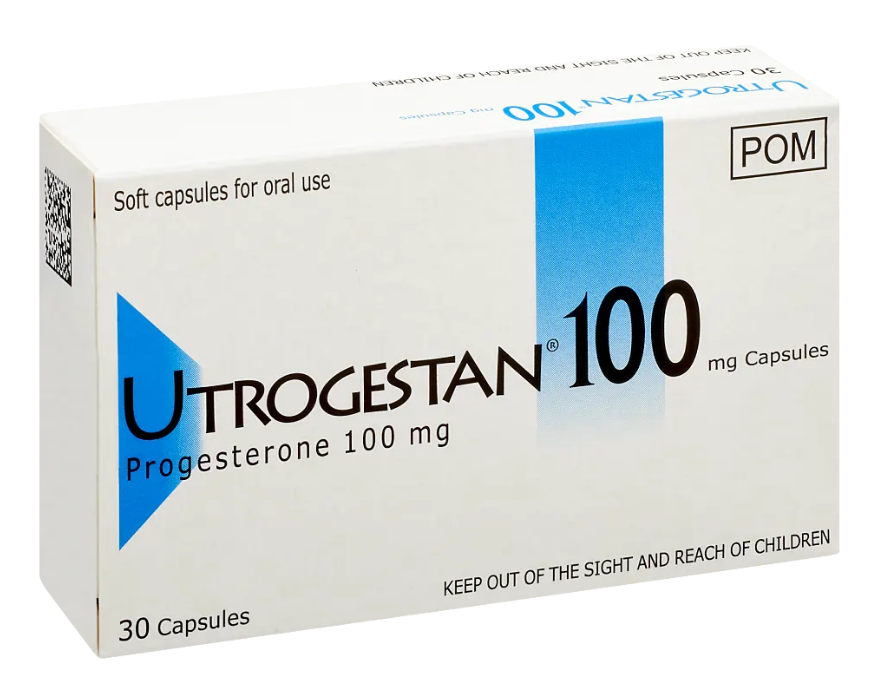
NOTE: Packaging may differ from picture.
Continue to consultation
You can select from the quantities after filling out the short online consultation.

Same day dispatch if ordered before 2pm

Discreet and plain packaging

Free expert support & advice

GPhC Registered

Free Delivery
(Orders Over £20)T&Cs Apply
(Orders Over £20)T&Cs Apply

Confidential & Discreet

FAQs
How to order Utrogestan online:
- Complete a short online assessment to see if you’re eligible for treatment
- Reviewed by one of our clinicians
- If approved, we post it to you with tracked delivery and discreetly
Utrogestan Capsules contain progesterone, which is identical to the type produced by the body. It is available as soft capsules and is prescribed to women, to treat the symptoms of menopause, perimenopause and counteract the effects of oestrogen-based HRT which thickens the womb lining.
During menopause, your natural oestrogen and progesterone levels decrease, causing symptoms like night sweats or brain fog. Utrogestan 100mg capsules work alongside oestrogen to help reduce these symptoms and restore your natural hormonal balance.
The progesterone in Utrogestan 100mg capsules works against oestrogen, causing your body to shed the lining each month to keep your womb healthy, like during your period.
Take Utrogestan 100mg capsules with a whole glass of water or at least 2 hours after food. Taking Utrogestan with food can increase the risk of drowsiness and increase progesterone absorption, which may increase the risk of side effects.
If you’re still having periods and have had one in the last six to 12 months, then take two capsules daily at bedtime from days 15 to Day 26 of a 28-day cycle.
If you haven’t had a period in over a year, then take one capsule before you go to bed.
Like all medicines, this medicine can cause side effects, although not everybody gets them.
The following side effects may occur when taking Utrogestan:
- Stomach pain
- Nausea (sickness in the stomach)
- Tiredness
- Headache
- Drowsiness
- Dizziness
- Vaginal bleeding
- Intense itching (pruritus)
The list above isn’t exhaustive. If you experience serious side effects or side effects lasting longer than 3 months, consult your doctor immediately.
Do not take Utrogestan if:
- you are allergic (hypersensitive) to progesterone or any of the other ingredients of this medicine
- you have had breast cancer ever, or if you are suspected of having it;
- you have cancer, which is sensitive to oestrogens, such as cancer of the womb lining (endometrium), or if you are suspected of having it;
- you have any unexplained vaginal bleeding;
- you have or have ever had a blood clot in a vein(thrombosis), such as in the legs (deep venous thrombosis) or the lungs (pulmonary embolism);
- you have a blood clotting disorder (such as protein C, protein S, or antithrombin deficiency);
- you have or recently have had a disease caused by blood clots in the arteries, such as a heart attack, stroke, or angina;
- you have or have ever had a liver disease and your liver function tests have not returned to normal;
- you have a rare blood problem called “porphyria” which is passed down in families (inherited);
- you have bleeding on the brain (cerebral haemorrhage);
- you are breast-feeding
- you are allergic (hypersensitive) to soya
Stop taking Utrogestan and seek medical advice immediately if you experience any of the following:
- Yellowing of your skin or the whites of your eyes (jaundice)
- A significant increase in blood pressure, which may cause symptoms such as headache, tiredness or dizziness
- A new migraine-like headache
- Any sudden or gradual changes to your vision, including partial or complete loss of vision, double vision, or forward displacement of the eye
- Symptoms affecting the eyes, such as swelling of the optic nerve (papilloedema) or retinal vascular problems
- Signs of a blood clot, including painful swelling and redness in the legs, sudden chest pain, or difficulty breathing
At The Family Chemist, we offer several options when it comes to HRT if Utrogestan is not suitable for you or you want to explore other treatment options, which include:
You should take Utrogestan at bedtime, at least 2 hours after food, because it can cause mild drowsiness. If you don’t experience this side effect, you may be able to take it in the morning but check with your doctor or prescriber.
No, there is no evidence that Utrogestan can cause weight gain. However, temporary weight changes during menopause are common due to water retention and increased appetite.
100mg Capsules
Utrogestan capsules contain the active ingredient progesterone and are commonly prescribed for Hormone Replacement Therapy (HRT) to relieve menopause symptoms.
- Protects the womb lining
- Fewer hormonal side effects
- Safer than synthetic progestogens
- Contains progesterone identical to the body’s natural hormone.
Additional information
| Capsules | 1 x 30 Capsules, 2 x 30 Capsules, 3 x 30 Capsules |
|---|
How It
Works?
1. Consultation
Fill out a quick, free online questionnaire for the condition you may have .
2. Treatment
Choose your preferred treatment and proceed to checkout.
3. Assessment
Our clinicians review your information and may follow up if needed.
4. Delivery
Your medication is approved and delivered quickly in discreet packaging.
1. Consultation
Fill out a quick, free online questionnaire for the condition you may have.
2. Treatment
Choose your preferred treatment and proceed to checkout.
3. Assessment
Our clinicians review your information and may follow up if needed.
4. Delivery
Your medication is approved and delivered quickly in discreet packaging.
How to
How It Works
Join our newsletter
Sign up to enjoy regular updates, exclusive promotions, and special offers, plus 15% off your first order.
Regulated care you can trust
MHRA-approved and GPhC regulated; we strive to provide the highest standards of care.
General Pharmaceutical Council
General Pharmaceutical Council
The GPhC is the regulator that inspects pharmacies to make sure they meet the highest standards, keeping your safety their top priority.
National Pharmacy Association
The NPA represents independent pharmacies across the UK, offering advice, support, and providing our professional indemnity cover.
Medicines & Healthcare products Regulatory Agency
The MHRA makes sure medicines and medical devices are safe and effective. They approve licenses and monitor safety through the Yellow Card scheme. All our products are MHRA approved.

Digital Clinical Excellence
DiCE is a UK network that works to improve safety and quality in digital healthcare.
How it
works?
1. Consultation
Fill out a quick, free online questionnaire for the condition you may have.
2. Treatment
Choose your preferred treatment and proceed to checkout.
3. Assessment
Our clinicians review your information and may follow up if needed.
4. Delivery
Your medication is approved and delivered quickly in discreet packaging.
Meet our medical professionals
Our clinicians are experts in medicines, nutrition, patient care, and governance.









Aaliyah Nelson
Nutritionist