What treatments are available?
Discover weight loss treatments available in the UK, including injections such as Mounjaro, Wegovy and Nevolat, as well as oral medications. These treatments have supported many people in achieving meaningful weight loss when lifestyle changes alone haven’t delivered the results they hoped for.
Whether you’re just beginning to explore your options or considering your next step, we explain what’s available and how to access the righttreatment; either privately or through the NHS.
Weight Loss Treatment Options
Weight loss medications are available as injections (commonly referred to as weight loss jabs) or weight loss tablets.
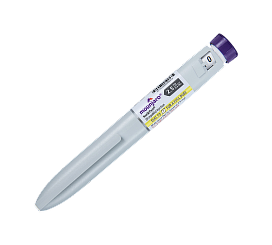
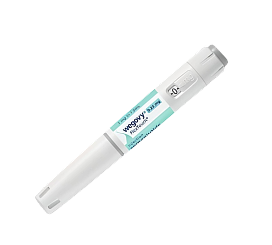
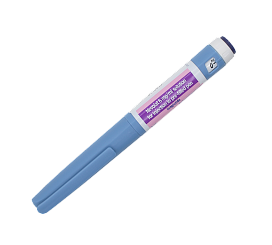
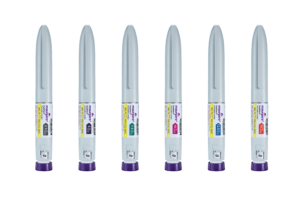
The injections currently available in the UK are:
The weight loss tablets currently available in the UK are:
- Orlistat
- Xenical (branded Orlistat)
- alli
- Mysimba (not currently available through The Family Chemist)
Weight Loss Injections
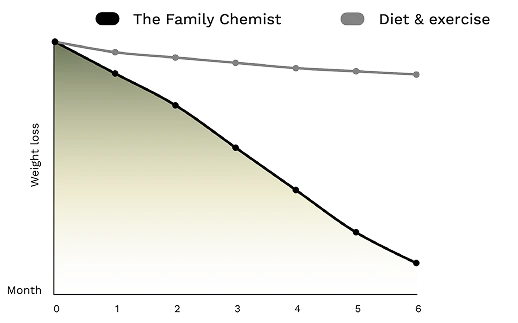
Injection options are available as weight loss pens; they mimic natural hormones in your body to reduce hunger and calorie intake, leading to weight loss. When combined with reduced calorie intake and exercise, these medications can help people lose up to 22.5% of body weight. Although these medications are not quick fix options, combining them with lifestyle changes help you achieve, and sustain your desired results significantly easier.
How do each of these injections work?
Wegovy, containing semaglutide, and Nevolat, containing liraglutide, work by targeting GLP-1 (glucagon-like peptide-1), while Mounjaro, containing tirzepatide, targets GLP-1 and GIP (glucose-dependent insulinotropic polypeptide). Newer, in-development medications such as Cagri Semaalso mimic amylin analogues to target further appetite suppression. These are not yet available in the UK.
They all slow down digestion, helping you feel fuller for longer and regulating your blood sugar levels by triggering insulin release after eating.
Wegovy and Mounjaro are both injected weekly, while Nevolat is a daily injection.
How do the capsules work?
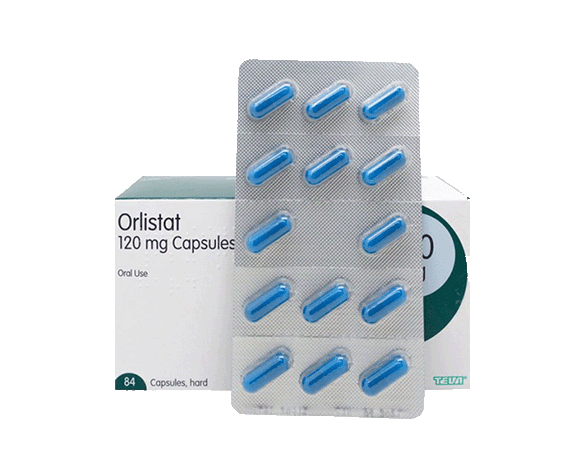
Weight loss capsules such as Orlistat, also known as Xenical, cause weight loss when the drug attaches itself to some of the natural enzymes in the body that break down fat. This stops the fat from being digested and absorbed and reduces the calories you consume after eating.
Orlistat capsules are taken up to 3 times a day. Either with or just after food.
Who would qualify for these weight loss treatments?
Adults with obesity (BMI ≥30) or those who are overweight (excess weight) (BMI ≥27) who also have weight-related medical problems may be eligible to have these medications to support weight loss.
Effectiveness of Weight Loss Medications (as seen in clinical trials)
| Weight loss medication | Effectiveness |
| Mounjaro (Tirzepatide) | Up to 22.5%
weight loss on the 15mg maintenance dose after 72 weeks |
| Wegovy (Semaglutide) | Up to 21.3%
weight loss on the 7.2mg maintenance dose after 72 weeks |
| Nevolat/Saxenda (Liraglutide) | Average of 8%
weight loss after 12 weeks of treatment |
| Orlistat/Xenical | Average of 5% or more
weight loss after 12 weeks of treatment |
| Mysimba | Average of 5% or more
weight loss after 56 weeks |
Weight Loss Treatment Comparison
Several weight loss injections and tablets are available for weight management, each using different active ingredients and mechanisms to support weight loss. The options below are commonly prescribed in the UK:
To explore weight-loss treatments, visit The Family Chemist weight loss treatment page and begin your medically supervised weight-management journey with guidance from our prescribing team.
| Category | Medication | Active Ingredient(s) | Mode of Action | Administration | Dosage | Weight Loss % | Common Side Effects | Manufacturer | Note |
| Injection | Mounjaro | Tirzepatide | GLP-1 receptor agonist and GIP mimetic | Once weekly | Starting at 2.5mg, up to 15mg | Up to 21% to 22.5% | Nausea, indigestion, diarrhea, vomiting, constipation, stomach pain | Eli Lilly | Significant weight loss efficacy |
| Injection | Wegovy | Semaglutide | GLP-1 receptor agonist | Once weekly | Starting at 0.25mg up to 7.2mg | About 21% | Nausea, indigestion, diarrhea, vomiting, constipation, stomach pain | Novo Nordisk | MHRA approved for weight loss |
| Injection | Nevolat | Liraglutide | GLP-1 receptor agonist | Once daily | Starting at 0.6mg up to 3mg | About 5% to 10% | Nausea, hypoglycemia, diarrhea, constipation, headache, decreased appetite | Novo Nordisk | MHRA Approved |
| Tablet | Xenical | Orlistat | Lipase inhibitor | With meals | One up to three times a day | About 5% to 10% | Oily spotting, gas with discharge, fecal urgency, fatty/oily stool | Haleon | Prevents fat digestion |
| Tablet | Orlistat (generic) | Orlistat | Lipase inhibitor | With meals | One up to three times a day | About 5% to 10% | Similar to Xenical: oily spotting, gas, fecal urgency | Generic | Unbranded version of Xenical |
| Tablet | Alli | Orlistat | Lipase inhibitor | With meals | 60mg up to three times a day | About 5% | Similar to Xenical but may be milder due to lower dose | Not specified | Over-the-counter option |
| Tablet | Mysimba | Bupropion and Naltrexone hydrochloride | Multimodal action | With meals | One to four tablets a day | About 5% to 10% | Nausea, constipation, headache, dry mouth, dizziness | Not specified | Acts on brain to control hunger |
What are weight loss medications used for?
In the UK, the weight loss injections and tablets are prescribed for:
- Weight Management: Licensed to be prescribed for weight loss in people with obesity, or those who are overweight and have a weight-related health condition.
- Type 2 Diabetes: Weight loss injections can improve blood sugar control and can be prescribed for those with Type 2 diabetes. Ozempic, a different brand of semaglutide, is only licensed for diabetes and cannot be used for weight management. We do not prescribe these treatments for diabetes management and would advise against using Ozempic for weight loss as it can affect its availability for those needing it for diabetes control.
- Cardiovascular Risk Reduction: For people with existing heart disease, Wegovy is the only licensed weight management injection with evidence of reducing the risk of serious cardiovascular events (stroke, heart attack).
Can I get these treatments on the NHS?
Yes, you may be able to get weight loss treatment through the NHS but the prescribing criteria differ from private services. You may be able to get injections through:
- Referral to a tier 3 weight management service. You’ll need to meet the criteria and there’ll be a waiting list. How long it takes for your referral depends on your area and waiting times vary from a few months to a few years.
- Some GPs and pharmacists are receiving training to prescribe weight loss injections, but this is still in testing by the NHS so may not be available in your area. Ask your GP or community pharmacy for more information.
Are weight loss treatments safe?
When prescribed by a qualified clinician and used as directed, weight loss injections are considered safe for many people. Before starting treatment,you’llcomplete a medical assessment to checkit’ssuitable for you andwon’tinteract with any existing conditions or medications. Make sure to tell us all your medical conditions, allergies or medications when completing the online assessment form so our clinicians can make a safe, informed decision about your care.
These treatments have been carefully studied in large clinical trials and are approved by medicines regulators in the UK, the US, and Europe, including the UK’s Medicines and Healthcare products Regulatory Agency (MHRA). They’ve also been used by millions of people worldwide and continue to be routinely monitored for safety.
Like all medicines, they may cause some side effects. The most common are mild digestive symptoms such as nausea, constipation, or diarrhoea, particularly when starting or increasing your dose. For most people, these settle within a few weeks as the body adjusts.
Always get your weight loss injections through a GPhC-registered pharmacy, with a qualified prescriber to ensure your safety.
Who should not take weight loss injections?
Although all treatments offered through The Family Chemist are fully licensed, they may not be suitable for everyone depending on their medical history.
GLP-1 injections may not be suitable if you:
- Are pregnant, breastfeeding or planning to become pregnant
- Are allergic to semaglutide, liraglutide, tirzepatide or any of the ingredients in the medications
- Are under 18 or over 75 years of age
- Have type 1 diabetes or take insulin or sylphonylureas
- Have severe stomach or gut conditions (such as gastroparesis, severe IBS/IBD)
- Have a history of pancreatitis
- Have severe liver or kidney problems
- Have diabetic retinopathy
- Have a personal, or family history of medullary thyroid cancer or Multiple Endocrine Neoplasia Type 2 (MEN2)
Always disclose your full medical history so that our clinicians can fully assess the safety of the medications and advise of the best treatment options.
What side effects should I look out for?
The most common side effects of weight loss injections are those affecting your digestive system. They’re usually more common at the start of your treatment, or after a dose change. This is why it’s important to follow the stepwise dose increases to allow your body to adjust to the medication.
Some of the common side effects may include:
- Nausea
- Diarrhoea or constipation
- Abdominal pain
- Feeling tired
- Headaches
- Injection-site reactions (redness, itching)
By eating smaller, more frequent meals, limiting caffeine, alcohol and carbonated drinks and drinking 2-3L of water per day, you can help minimise side effects. Always read the information leaflet for your medication before starting it.
With weight loss injections, if you notice any persistent nausea, vomiting or abdominal pain that radiates to the back, stop the medication and seek urgent medical attention. These may be signs of pancreatitis.
How do I decide what treatment is best for me?
Everyone is different, so every treatment plan will be different. The rightoptiondepends on your individual medical history, weight loss goals,preferences andpreviousexperience with weight loss treatment. Ifyou’restill not sure after reading theinformation on this page and the advice provided on each medication’s page, speak to our clinicians for more advice.
Can I switch between weight loss injections?
Yes, switching between weight loss injections can be safe, as long as it is following clinical advice from a clinician. You should never change your medication or doses without consulting with your prescriber.
You might want to switch if you have persistent side effects, are not achieving the desired weight loss, are advised by your prescriber or following personal cost considerations.
How fast will I see results from weight loss injections?
You will notice reduced appetite and feeling fuller quicker when eating food typically within the first 2 weeks of starting the medication. The starting doses are to allow your body to adjust to the medication so some people may not respond as quickly as others on the lower doses. Visible weight loss might begin within the first 3-6 weeks. Many people experience a significant weight loss (10% or more of their starting weight) within 3-6 months of treatment.
Gradual weight loss, 0.5-1kg per week is best to prevent side effects and gallbladder problems. Your body might respond differently to the medication so your results may vary, but it will depend on your dose, as well as your diet and exercise routines.
What happens if I stop my weight loss injections? Will I regain the weight?
When you stop taking GLP-1 injections, your appetite will slowly return to normal as the medication leaves your body. Lifestyle changes and the healthy habits built during your treatment will largely impact whether you maintain the weight loss you’ve achieved.
Stay mindful of your calorie intake and keep up your activity level to help you sustain the results. Some people choose to go on a lower dose to help them manage the return of their appetite, discuss your options with our clinicians and in-house nutritionist if you’d like some support.
Can I drink alcohol on weight loss injections?
It’s essential to exercise caution and consult with your healthcare provider regarding alcohol consumption while taking weight loss medications. Alcohol can worsen the digestive side effects like nausea and vomiting and can also affect blood sugar levels.
We would advise you to avoid alcohol in the first few weeks of treatment or after a dose increase to allow your body to adjust.
Can I take weight loss injections if I’m trying to conceive?
No. The potential effects of GLP-1 injections on an unborn baby is not fully understood at this point. We would advise you to use effective contraception while on treatment.
Mounjaro may reduce the effectiveness of oral contraceptives. If you’re on the pill while on Mounjaro, use additional barrier methods for 4 weeks after starting treatment or changing your dose.
If you’re planning to conceive, stop Mounjaro at least 1 month, and Wegovy at least 2 months before trying for a baby.
If you find out you are pregnant whilst on weight loss injections, stop the injections immediately and contact your prescriber.
What lifestyle changes should I make?
Weight loss medications are most effective when paired with lifestyle changes. This includes not just how you eat, but also how active you are, and how well you sleep. These medications are an aid and not a solution on their own. Lasting and effective weight loss requires a consistent and healthy routine alongside it. Adults should aim to do some physical activity every day. Even a brisk walk counts towards your physical activity for the day.
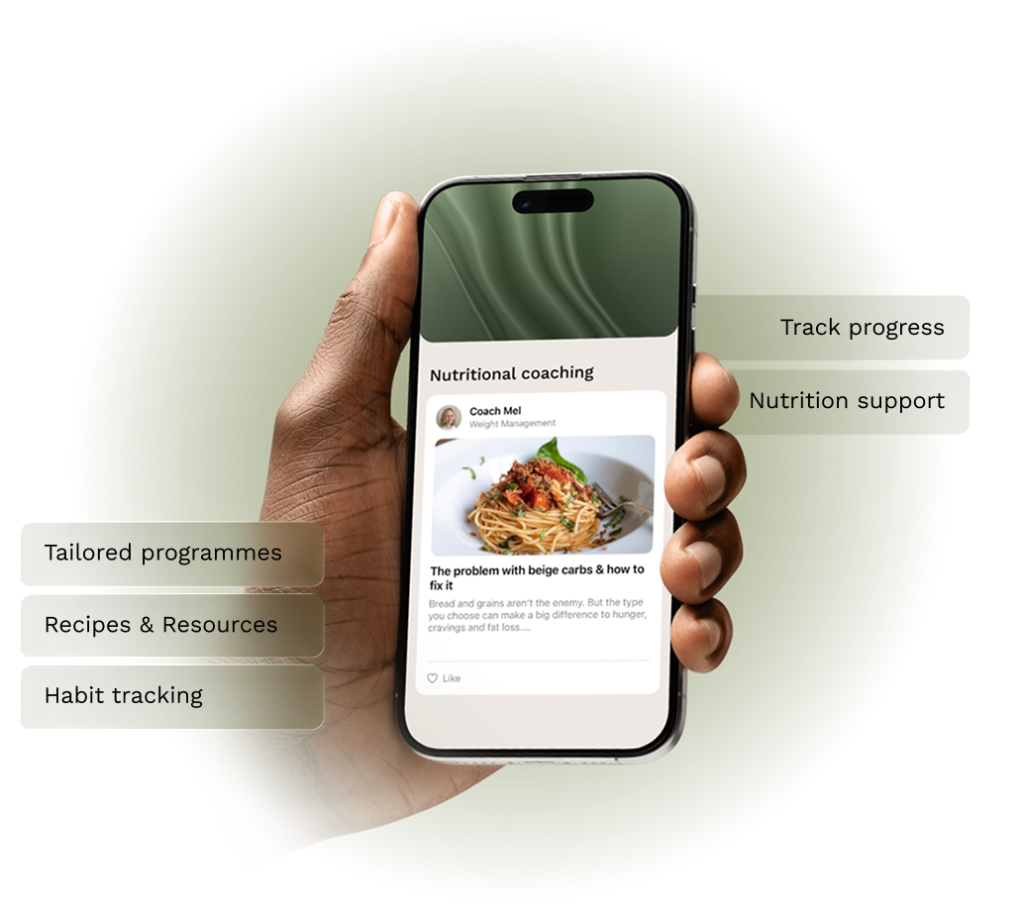
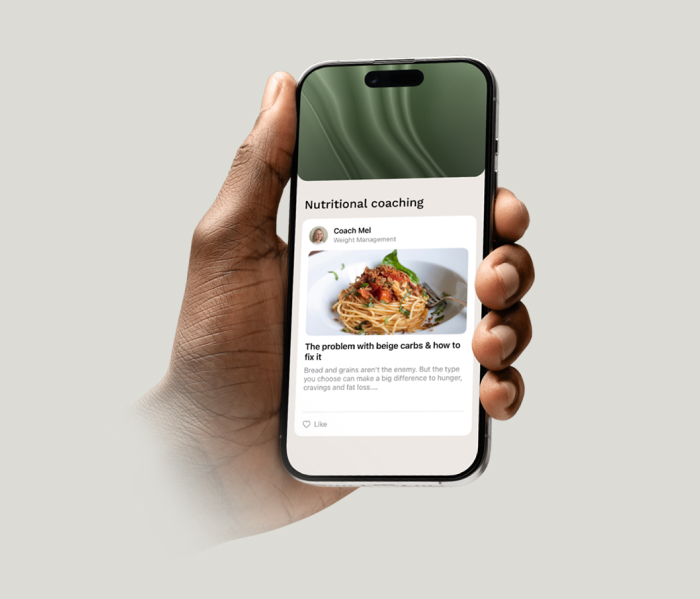
For more information visit Physical activity guidelines for adults aged 19 to 64 – NHS or explore our nutritional coaching options.
Sources:
NICE Clinical Guideline Overweight and obesity management NICE guideline NG246 [accessed 17th February 2026]
NHS Obesity: Treatments NHS [accessed 17th February 2026]
NHS Exercise NHS [accessed 17th February 2026]




 Clinician-led expert support