

















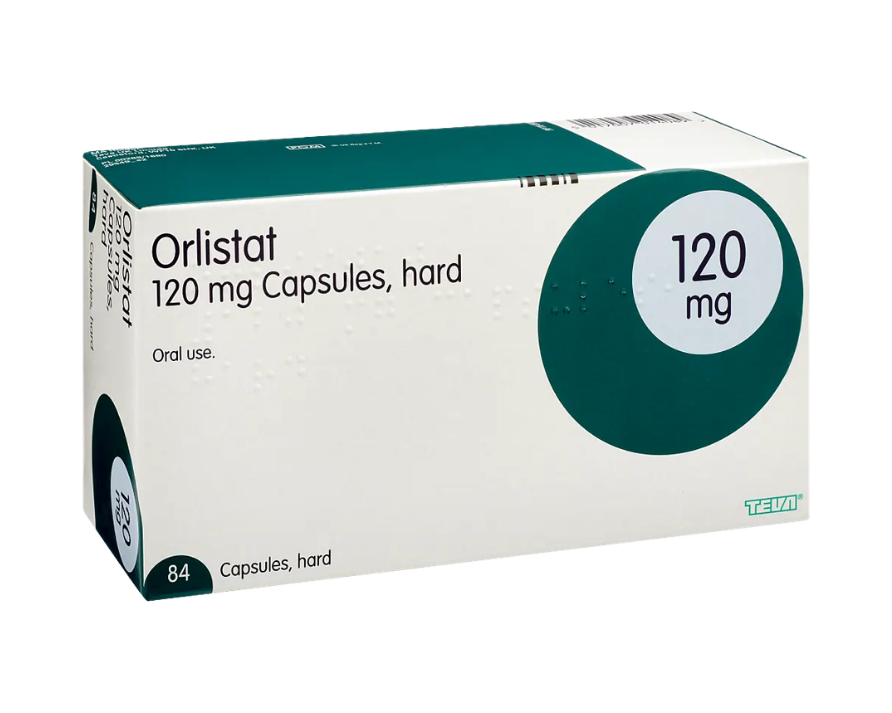
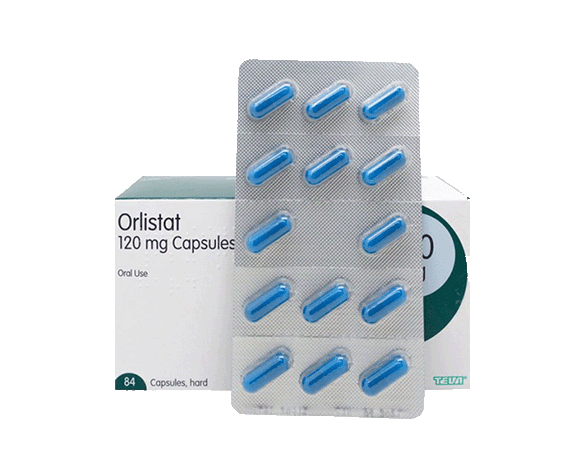

Orlistat Capsules
Orlistat is available through our clinically supported weight loss service.
Every weight loss treatment with The Family Chemist includes free access to online nutrition coaching powered by Nutrable. After your purchase is approved, you’ll receive your access code by email. You can also find your access code in your Family Chemist dashboard.
Prices starting from:
£25.99
Orlistat Price
At The Family Chemist, we strive to offer our customers affordable private care, regularly checking our prices against competitors to ensure you’re getting the best value for money.
| Orlistat quantity | Price |
|---|---|
| 42 Capsules | £25.99 |
| 84 Capsules | £35.99 |
| 168 Capsules | £64.99 | 252 Capsules | £97.49 |
How to take it
Timing: Take one Orlistat capsule with water during or up to 1 hour after each main meal.
Don’t chew or break the capsule and swallow it whole.
You must eat a nutritionally balanced diet; ensuring that your meal doesn’t have more than 30% of its calories from fat. This will support weight loss and lower the chances of side effects from Orlistat.
Your journey
starts here
More than medication. Our pharmacists provide expert support designed to help you succeed.
Start Free Consultation
Complete a quick, free online questionnaire.

Clinician Review
After you choose your preferred treatment, our clinicians will review your consultation.

Delivered to your door
Your medication is approved and delivered quickly in discreet packaging.

Access your coaching
Activate your access code in the Nutrable app to access personalised nutrition guidance and coaching features.
“Every consultation is reviewed carefully to ensure treatment is safe, appropriate, and tailored to the individual. Patient wellbeing is always our priority.”

Sunny Dhain – Clinical Director | MRPharmS | PGDip | GPhC registered pharmacist
What is Orlistat?
Orlistat is the generic version of Xenical which is the active ingredient in the medication. It’s a form of medicated weight loss that works by attaching itself to enzymes on the gut called lipases which are responsible for breaking down dietary fat so that it can be absorbed. Orlistat capsules stop the absorption of digested fat and reduce the calories consumed from the fat in the food, which helps with weight loss.
It is taken by mouth, like tablets and can be taken up to three times a day. When paired with a diet and lifestyle change, it can help people achieve meaningful weight loss.
How does Orlistat work?
After you eat a meal containing fat, your digestive system releases enzymes called lipases to break down the fat into smaller molecules that can be absorbed through the gut wall.
Research shows that Orlistat attaches to these lipase enzymes and deactivates them, with the lipases blocked, roughly one third of the fat from your meal passes through the gut undigested. This way the calories absorbed from the food are lower and the fat is also not stored in the body, leading to eventual weight loss
This fat is then excreted in your stools, which is why some patients notice oily or fatty stools — particularly if they eat a high-fat meal. This is the medication working as intended, and the best way to reduce these effects is to keep the fat content of each meal below 30% of total calories.
Will Orlistat remove existing fat?
No. Orlistat only works on fat consumed in your meals by blocking its absorption during digestion. It has no effect on fat already stored in the body. Weight loss occurs because fewer calories from fat are absorbed over time, creating a calorie deficit that leads to gradual fat loss when combined with a controlled diet.
Who can take Orlistat?
Orlistat is a prescription-only treatment suitable for adults who meet at least one of the following criteria:
- A BMI of 30 kg/m² or above (classified as obese)
- A BMI of 28 kg/m² or above with at least one weight-related health condition, such as type 2 diabetes, high blood pressure, or high cholesterol
At The Family Chemist, our clinical team will always review your BMI and full medical history during your online consultation to confirm that orlistat is safe and appropriate for you.
Who cannot take Orlistat?
While Orlistat capsules are a fully licensed treatment they are not suitable for everyone. You should not take orlistat if any of the following apply:
- Allergy or hypersensitivity: You have a known allergy to Orlistat or any of its ingredients.
- Pregnancy or breastfeeding: Orlistat is not safe to use during pregnancy or whilst breastfeeding. If you become pregnant during treatment, stop immediately and contact your doctor.
- Chronic malabsorption syndrome: A condition that already affects how your body absorbs nutrients from food.
- Cholestasis: A liver condition that affects bile flow.
- Kidney disease (history of oxalate kidney stones): Orlistat has been associated with kidney stones in some patients with pre-existing kidney conditions.
- Severely restricted eating disorders: Orlistat is not appropriate for those with active anorexia or bulimia nervosa.
- Under 18 years of age.
Always disclose all existing medical conditions and medications during your online consultation. If you are unsure whether orlistat is appropriate for you, our clinical team can advise.
Is Orlistat available on the NHS?
Orlistat can be prescribed on the NHS, but access depends on your local area and whether your GP or a weight management specialist considers you eligible. NHS prescriptions are typically issued through a GP or a specialist tier 3 weight management service.
In practice, many patients find it difficult to access Orlistat quickly through the NHS due to long waiting times for GP appointments or specialist referrals. Ordering through The Family Chemist provides a faster route via a private prescription, with no waiting list, provided you meet the eligibility criteria.
How to take Orlistat capsules
The recommended dose of Orlistat is one 120mg capsule taken up to three times a day — one with each of your main meals. Here is how to take it correctly:
- Timing: Take one capsule immediately before, during, or up to one hour after each main meal. If you take it more than an hour after eating, it will not be effective as the fat will already have passed through the point where lipases act.
- With water: Swallow the capsule whole with a glass of water. Do not chew or break it open.
- Fat-free meals: If your meal contains no fat, or if you skip a meal entirely, do not take orlistat for that meal. The medication only works in the presence of dietary fat, and taking it with a fat-free meal increases the risk of side effects with no benefit.
- Fat distribution: Aim to spread your fat intake evenly across your three main meals. No more than 30% of each meal’s calories should come from fat. If one meal is particularly high in fat, side effects such as oily stools are more likely.
- Maximum per day: Do not take more than three capsules in a 24-hour period.
How quickly does Orlistat work?
Orlistat capsules begin working from your first dose. Within 24 to 48 hours you may notice changes in your stools — oilier or looser stools are a sign that Orlistat is blocking fat absorption as intended.
Visible weight loss typically takes longer to become noticeable, usually within the first few weeks of consistent use alongside a calorie-controlled diet. Significant progress is usually measured at the 12-week mark, if you have not lost at least 5% of your starting body weight by this point, our clinical team will review your treatment and may recommend an alternative.
What to expect when on Orlistat and when will I see results?
Clinical trials consistently show that Orlistat 120mg capsules are more effective for weight loss than dieting alone. Results vary by individual, but the evidence shows:
- 35–55% of patients lose at least 5% of their starting body weight
- 16–25% of patients lose 10% or more of their starting body weight
- Weight loss is steady and gradual — typically 0.5–1kg per week when combined with appropriate dietary changes
The pace and quality of weight loss will depend heavily on dietary adherence. Orlistat is a tool, not a standalone solution, it’s most effective when you actively reduce dietary fat and increase physical activity.
What are the side effects of Orlistat?
Orlistat can cause side effects, most of which are related to its mechanism of action — undigested fat passing through the bowel. These side effects are largely within your control, the lower the fat content of your meals, the less likely you are to experience them and they typically reduce as you adjust your diet.
Very Common (may affect more than 1 in 10 people)
- Oily or fatty stools
- Oily discharge or spotting from the rectum
- Urgent or more frequent need to open the bowels
- Loose or liquid stools
- Flatulence with oily discharge
- Abdominal pain or discomfort
- Headaches
Common (may affect up to 1 in 10 people)
- Tooth or gum discomfort
- Irregular or disrupted menstrual cycles
- Fatigue or tiredness
- Rectal pain or discomfort
- Low blood sugar (particularly in patients with type 2 diabetes also taking diabetes medication)
- Urinary tract infection
Rare but Serious (seek medical attention if you experience these)
- Rectal bleeding
- Signs of a severe allergic reaction — rash, itching, swelling, difficulty breathing, or nausea and vomiting
- Symptoms of pancreatitis — severe, persistent upper abdominal pain radiating to the back
- Gallstones — severe upper right abdominal pain
- Liver problems — yellowing of the skin or eyes, dark urine, persistent fatigue (very rare)
The list above does not include all possible side effects. If you experience any serious or persistent side effects, contact our clinical team or your GP promptly. You can also report side effects mot listed above directly to the MHRA via the Yellow Card scheme.
Be sure to read through the patient information leaflet before taking any new medication to familiarise yourself with the possible side effects, cautions, and contraindications. You should only take Orlistat capsules once you have understood all the warnings and precautions. If you are concerned discuss this with your doctor or a clinician at The Family Chemist.
How can I reduce Orlistat side effects?
The most effective way to minimise orlistat side effects is to follow a low-fat diet consistently. Practical tips include:
- Keep fat below 30% of each meal’s total calories — if a meal contains 600 calories, no more than 180 should come from fat
- Spread fat intake evenly across your three meals rather than concentrating it in one sitting
- Avoid high-fat snacks, fried foods, pastries, fatty meats, and full-fat dairy products
- If you eat a particularly high-fat meal, expect stronger gastrointestinal side effects
- Eating smaller portions at each meal reduces the overall fat load on your digestive system
What vitamins should I take with Orlistat capsules?
Because Orlistat capsules block the absorption of dietary fat, they also reduces the absorption of fat-soluble vitamins — specifically vitamins A, D, E, and K, as well as beta-carotene. Over time this can lead to nutritional deficiencies if steps are not taken to compensate.
We recommend taking a daily multivitamin that contains vitamins A, D, E, and K while you are on Orlistat. To ensure the vitamin supplement is absorbed properly — rather than being blocked alongside dietary fat — take it at bedtime, or at least two hours before or after your last dose of orlistat.
Eating a balanced diet rich in fruit, vegetables, and a variety of whole foods will also help maintain adequate nutrient intake throughout your treatment.
What happens if I miss a dose of my Orlistat capsules?
If you miss a dose of orlistat, take it as soon as you remember — provided it has been less than one hour since your last main meal. If more than an hour has passed since your meal, skip the missed dose entirely, as Orlistat will not be effective once digestion has progressed beyond the point where lipases are active.
Do not take a double dose to make up for a missed one, as this increases the risk of side effects without improving results. Simply continue with your normal schedule at your next meal.
What are alternatives to Orlistat?
There are several licensed weight loss treatments available in the UK, working through different mechanisms. These include weight loss injections, and weight loss tablets such as Xenical.
The table below summarises the main options available through The Family Chemist:
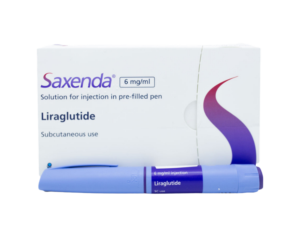
| Mounjaro | Wegovy | Liraglutide | Wegovy Tablets | Xenical | Orlistat | Alli | Mysimba | |
| Category | Injection | Injection | Injection | Tablet | Tablet | Tablet | Tablet | Tablet |
| Active Ingredient(s) | Tirzepatide | Semaglutide | Liraglutide | Semaglutide | Orlistat | Orlistat | Orlistat | Bupropion and Naltrexone hydrochloride |
| Mode of Action | GLP-1 receptor agonist and GIP mimetic | GLP-1 receptor agonist | GLP-1 receptor agonist | GLP-1 receptor agonist | Lipase inhibitor | Lipase inhibitor | Lipase inhibitor | Multimodal action |
| Administration | Once weekly | Once weekly | Once daily | Once daily | With meals | With meals | With meals | With meals |
| Dosage | Starting at 2.5mg, up to 15mg | Starting at 0.25mg up to 7.2mg | Starting at 0.6mg up to 3mg | Starting at 1.5mg up to 25mg | One up to three times a day | One up to three times a day | 60mg up to three times a day | One to four tablets a day |
| Weight Loss % | Up to 21% to 22.5% | About 21% | About 5% to 10% | About 14% to 20% | About 5% to 10% | About 5% to 10% | About 5% | About 5% to 10% |
| Common Side Effects | Nausea, indigestion, diarrhoea, vomiting, constipation, stomach pain | Nausea, indigestion, diarrhoea, vomiting, constipation, stomach pain | Nausea, hypoglycaemia, diarrhoea, constipation, headache, decreased appetite | Nausea, indigestion, diarrhoea, vomiting, constipation, stomach pain | Oily spotting, gas with discharge, faecal urgency, fatty/oily stool | Similar to Xenical: Oily spotting, gas, faecal urgency | Similar to Xenical but may be milder due to lower dose | Nausea, constipation, headache, dry mouth, dizziness |
| Manufacturer | Eli Lilly | Novo Nordisk | Generic | Novo Nordisk | Haleon | Generic | Not specified | Not specified |
If medicated options are not suitable for you, there are some alternative options to consider:
- Behavioural Therapy: Weight management often involves changes in diet and exercise habits. Behavioural therapy, either individually or in group settings, can provide valuable strategies and support for making lifestyle changes.
- Dietary Counseling: Working with a registered dietitian or nutritionist can help you develop a personalized meal plan that aligns with your weight loss goals and dietary preferences.
- Exercise Programs: Regular physical activity is essential for weight management. Consider engaging in an exercise program or working with a personal trainer to establish a fitness routine.
- Lifestyle Changes: Small but sustainable changes in your daily habits, such as portion control, mindful eating, and adequate sleep, can contribute significantly to weight loss.
- Surgical Options: In cases of severe obesity, surgical procedures like gastric bypass, gastric sleeve, or lap band surgery may be considered a last resort.
How long does Orlistat stay in my system for?
Orlistat can stay in your system for up to 5 days after the last dose. However, this may vary depending on each person, their diet and how long they had been taking Orlistat for. If you’re experiencing side effects after 5 days, please speak with your GP or clinician.
Can I drink alcohol while taking Orlistat?
There is no direct pharmacological interaction between Orlistat and alcohol. However, we recommend limiting alcohol consumption during treatment for the following reasons:
- Calorie impact: Alcoholic drinks can be high in calories and may significantly undermine your calorie deficit and weight loss progress.
- Dietary adherence: Alcohol can reduce inhibitions around food choices, making it harder to stick to a low-fat diet.
- Gastrointestinal effects: Alcohol can irritate the digestive system. If you are already experiencing gastrointestinal side effects from orlistat, alcohol may make these worse.
- Weight loss results: Reducing or moderating alcohol intake is considered an important part of any evidence-based weight management plan.
If you have any concerns about alcohol and your treatment, speak to our clinical team or your GP.
Can I take Orlistat if I’m pregnant or breastfeeding?
No. Orlistat is not recommended during pregnancy or breastfeeding. If you become pregnant while taking orlistat, stop the medication immediately and contact your GP. The safety of orlistat during pregnancy has not been established, and adequate nutrition including fat-soluble vitamins is essential for foetal development.
If you are planning a pregnancy or are currently breastfeeding, discuss your weight management options with your GP before starting any treatment.
Can I take Orlistat with other medicines or supplements?
Orlistat can interact with certain medicines by reducing their absorption. Key interactions to be aware of include:
- Ciclosporin (immunosuppressant): Orlistat significantly reduces ciclosporin absorption. These two medicines should not be taken together. Consult your transplant or specialist team.
- Anticoagulants (e.g. warfarin): Orlistat can affect the absorption of vitamin K, which may alter the effectiveness of warfarin. INR should be monitored more closely when starting or stopping orlistat.
- Thyroid medications (e.g. levothyroxine): There have been reports of reduced absorption of thyroid medication. Taking them at separate times (at least two hours apart) is recommended. Monitor thyroid function.
- HIV medications: Some antiretroviral drugs may be less well absorbed. Discuss with your specialist before starting orlistat.
- Fat-soluble vitamins (A, D, E, K): Absorption is reduced — see the vitamin supplementation section above.
Always disclose all current medications, supplements, and herbal remedies when completing your consultation. If you are unsure about a specific interaction, contact our clinical team.
Orlistat and contraceptive pills
Orlistat can reduce the absorption of contraceptive pills (e.g. mini pill or combined pill). If you experience severe diarrhoea or vomiting, you should use additional barrier methods like condoms or other forms of contraception during the time you’re experiencing these side effects and for up to 7 days after.
If you experience severe diarrhoea or vomiting while taking Orlistat, use additional barrier contraception (such as condoms) during this time and for at least seven days after symptoms resolve, following the guidance in your contraceptive pill patient information leaflet.
Are there any foods to avoid eating while taking Orlistat?
Orlistat capsules target the fat content of your meal, so it’s important to reduce the amount of processed, greasy or fatty food. This includes:
- fried and deep-fried food
- High-fat processed meats
- Full fat dairy products
- Crisps
- Pastries
- Fatty sauces.
This will help reduce the chances of you experiencing side effects while taking Orlistat.
What’s the difference between Orlistat and Xenical?
Orlistat is a non-branded version of the medication Xenical, they both contain 120mg of the active ingredient Orlistat in each capsule and work in exactly the same way. There is no difference between the two medications other than the brand.
If you wish to switch between the two, you can stay on the same dose.
It’s important to talk to your GP or prescriber if you’re wishing to switch your weight loss medication.
Sources
Orlistat safety update (2024) Medicines and Healthcare product Regulatory Agency [accessed 20th February 2026]
Xenical emc [accessed 20th February 2026]
Overweight and obesity management (2025) NICE guidelines NG246 [accessed 20th February 2026]
Medically
reviewed by
Tannaz Sohrabi (MPharm, PGDip, IP, MRPharmS)
GPhC Number: 2225756

Last reviewed: 17th April 2026
Meet our
medical professionals



Standards first
always