Your Cart

Menu

View all Online Doctor
Erectile Dysfunction Hair Loss
Shop All View Shop Categories Baby and Child Ear Care Eye Care First Aid Haemorrhoids Men's Health Self Testing Sexual Health Sleep Stop Smoking
Please choose a Saxenda
Please choose a Liraglutide

Liraglutide Injection


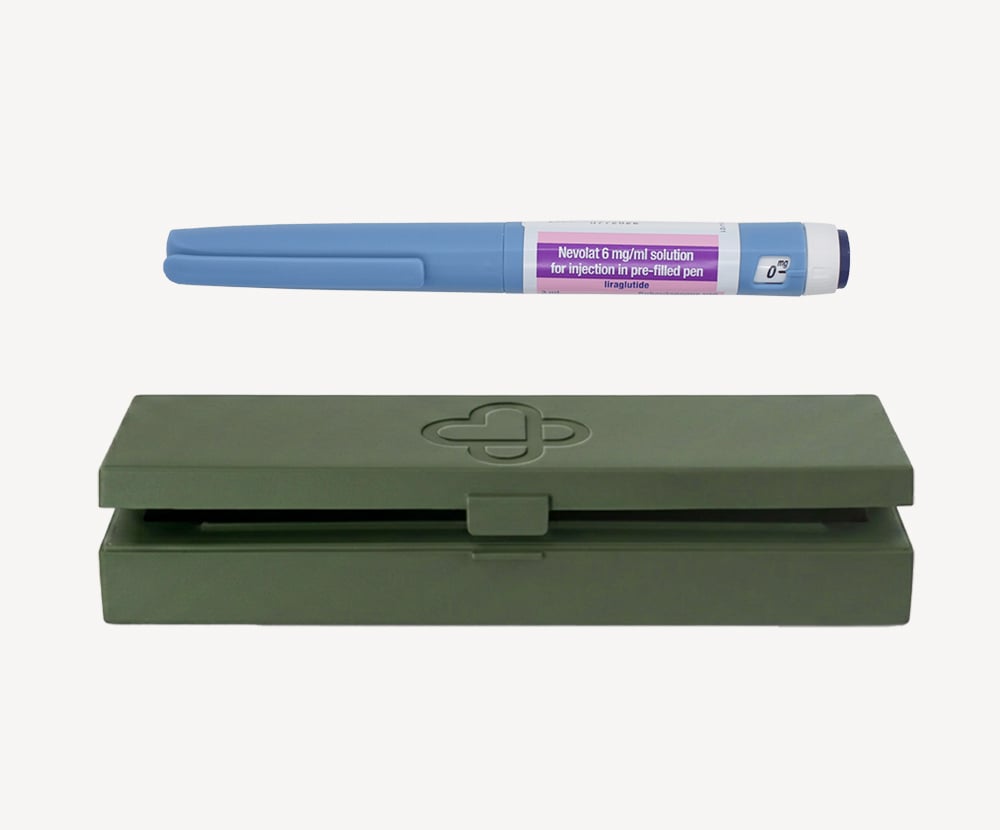
Liraglutide is an affordable, once-daily weight loss injection. It helps manage cravings and making you feel fuller for longer, supporting an average body weight loss of up to 11% when combined with healthy eating and lifestyle changes.


Liraglutide is available through our clinically supported weight loss service.


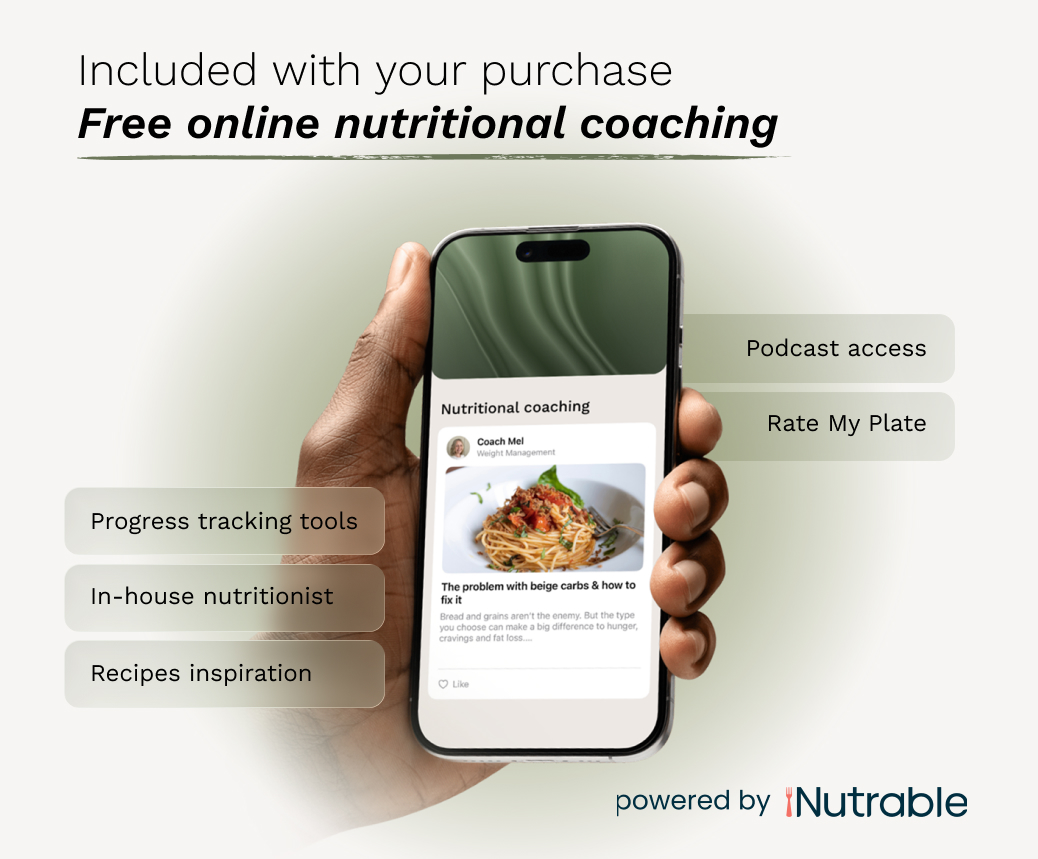
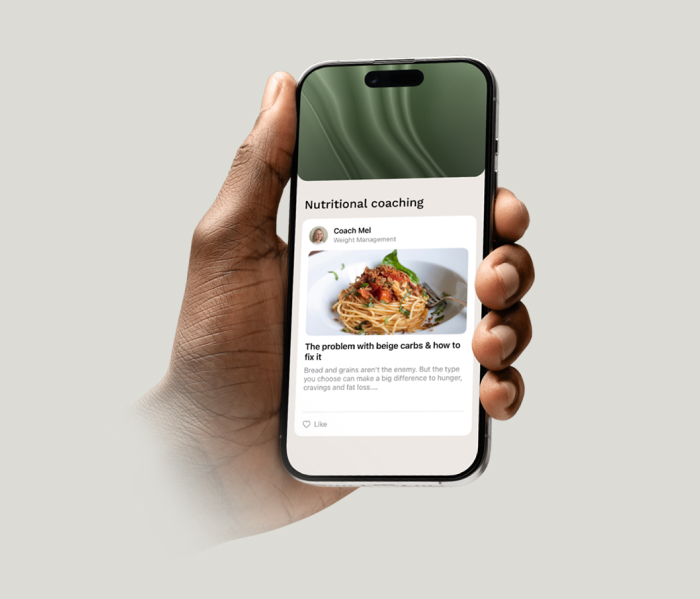
Every weight loss treatment with The Family Chemist includes free access to online nutrition coaching powered by Nutrable. After your purchase is approved, you’ll receive your access code by email. You can also find your access code in your Family Chemist dashboard.


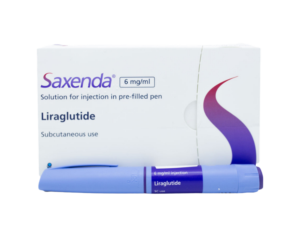
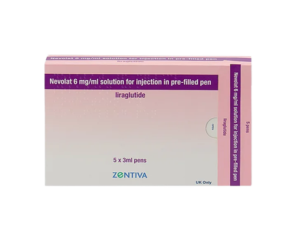
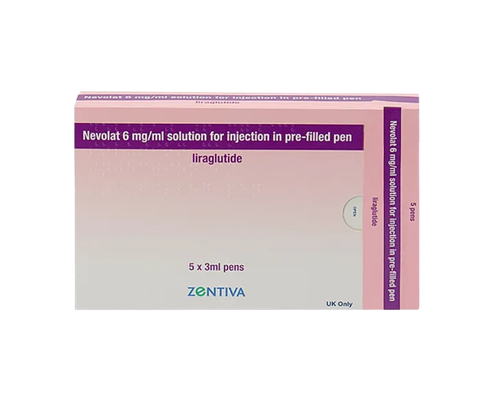
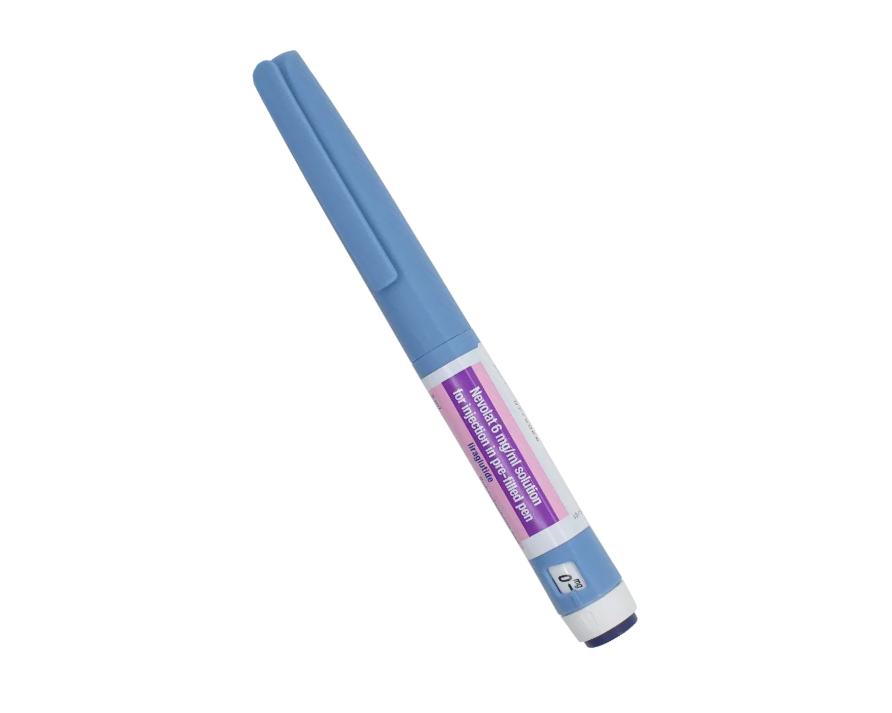
Brand may vary from picture shown

Prices starting from: 

£45.00

GPhC Registered
Free Delivery (Orders Over £20)
Confidential & Discreet
GPhC Registered
Free Delivery (Orders Over £20)
Confidential & Discreet
GPhC Registered
Free Delivery (Orders Over £20)
Confidential & Discreet

Liraglutide Price

At The Family Chemist, we strive to offer our customers affordable private care, regularly checking our prices against competitors to ensure you’re getting the best value for money.

Liraglutide pen quantity Pen price
1 Pen £45.00
2 Pen £80.00
3 Pen £125.00
5 Pens £185.00
3 Pens, Needles and Sharps Bin £130.00
5 Pens, Needles and Sharps Bin £190.00
10 Pens, Needles and Sharps Bin £375.00
15 Pens, Needles and Sharps Bin £560.00

How to use it

  1. Timing: Administer Liraglutide each day, ideally at the same time, to maintain steady medication levels.
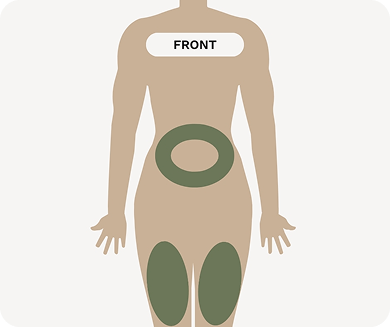
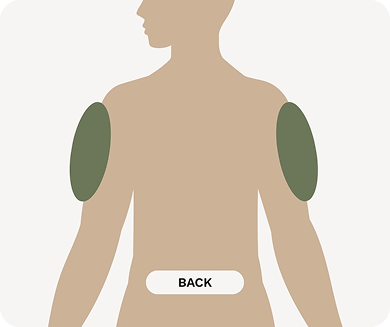
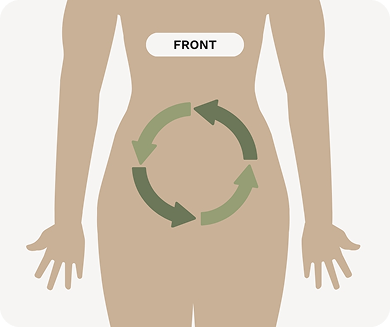
  2. Injection Sites: Inject into the abdomen, upper thighs, or outer section of the upper arms. Avoid veins and muscles. Rotate injection sites within these areas to reduce irritation.

Your journey
starts here

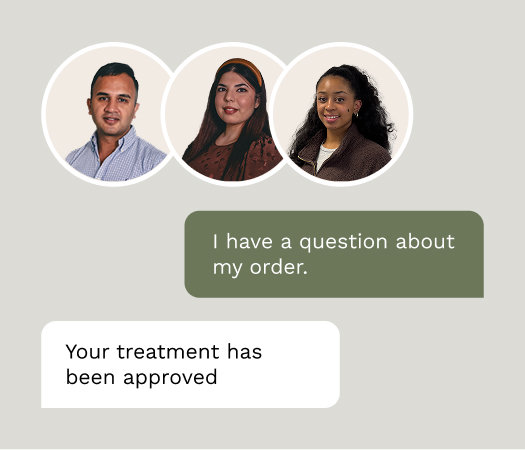
More than medication. Our pharmacists provide expert support designed to help you succeed. 

“Every consultation is reviewed carefully to ensure treatment is safe, appropriate, and tailored to the individual. Patient wellbeing is always our priority.”

Sunny Dhain – Clinical Director MRPharmS | PGDip | GPhC registered pharmacist 


What is Liraglutide?

Liraglutide is a prescription-only GLP-1 receptor agonist — a class of medication that works by mimicking the action of the glucagon-like peptide-1 (GLP-1) hormone, which is naturally released by the body after eating. By stimulating GLP-1 receptors in the brain and digestive system, Liraglutide helps reduce hunger, slow stomach emptying, and increase feelings of fullness, leading to a reduced calorie intake and meaningful weight loss over time.

Originally developed to treat type 2 diabetes (at a lower 1.2–1.8mg dose), Liraglutide was licensed by the MHRA in March 2024 at a higher 3mg dose specifically for weight management. It is administered as a once-daily subcutaneous (under the skin) injection using a pre-filled pen.

Liraglutide is a generic active ingredient available under several brand names in the UK such as Saxenda (discontinued) and Nevolat. At The Family Chemist, we supply the generic version, which contains exactly the same active ingredient and works in the same way as branded equivalents, at a more affordable price.

Who can use Liraglutide? 

Liraglutide is licensed for adults who meet at least one of the following criteria:

  • A BMI of 30 kg/m² or above (classified as obese)
  • A BMI of 27 kg/m² or above with at least one weight-related health condition, such as type 2 diabetes, high blood pressure, high cholesterol, obstructive sleep apnoea, or cardiovascular disease

At The Family Chemist, our clinical team will always review your BMI and full medical history during your consultation to confirm that Liraglutide injections are safe and appropriate for you.

What to expect when on Liraglutide and when will I see results? 

You will notice reduced appetite and feel fuller quicker when eating food. Studies show patients can lose at least 5% of their initial body weight within just 12 weeks of starting treatment, following the gradual dose increase. GLP-1s, including Liraglutide, have many other benefits including decrease in blood pressure, glucose and cholesterol levels by helping you lose weight in a steady and healthy way.

To achieve the best results, it’s important to follow a balanced diet and exercise plan. You can find out more about our additional support through our Nutritional Coaching service.

Is Liraglutide available on the NHS?

Liraglutide can be prescribed on the NHS in certain circumstances, but access varies across the UK.

In practice, many patients find NHS access difficult due to long waiting lists and differences in local availability. A private prescription through The Family Chemist means you can start treatment quickly, without waiting for a specialist referral, provided you meet the eligibility criteria.

What to expect on Liraglutide and when will I see results?

Most patients notice a reduction in appetite and feeling fuller after eating within a few days of starting liraglutide. Visible weight loss typically becomes noticeable within the first four to twelve weeks of treatment, once the dose has been gradually increased.

Clinical evidence shows that patients can lose at least 5% of their initial body weight within 12 weeks of reaching the full maintenance dose. Over 56 weeks at the full 3mg dose, the average weight loss is around 8%, and up to 11% when combined with healthy eating and regular physical activity.

If you have not lost at least 5% of your starting weight after 12 weeks at the full dose, our clinical team may review your treatment to explore alternatives that may be more suitable for you.

Additional benefits beyond weight loss that have been observed in clinical studies include reductions in blood pressure, blood glucose, and cholesterol levels.

How do I use Liraglutide injections? 

Liraglutide is a daily injection, ideally at the same time each day to establish a routine. Below is a step-by-step guide to using your pen correctly:

When using a Liraglutide pen, always check the following:

  • Prepare: Store new pens in the fridge. Before each injection, check the pen label to confirm it is the correct medication and inspect the liquid – it should be clear, colourless, and within its expiry date. Wash your hands thoroughly and attach a new disposable needle.
  • Check the flow: Follow the instructions in the patient information leaflet to prime the pen. A small drop of solution should appear at the needle tip. If it does not appear, repeat the process up to six times. If still no solution appears, attach a new needle. Contact us if the problem persists.
  • Select your dose: Turn the dose selector at the end of the pen to your prescribed dose. Double-check before injecting.
  • Inject: inject your dose under the skin, in the upper arm, thighs or abdomen. Do not inject into a muscle or vein. Hold the needle in and count slowly to six before removing it once the dial has reached zero.
  • Dispose safely: Cap the needle and place it in an approved sharps container. Never store the pen with the needle attached.


We recommend watching the video: How to use the Liraglutide pen.

You should never inject more than advised and follow the stepwise instructions. If you experience side effects, or cannot tolerate the dose increase then stay on the same dose for a further 2-week period to allow your body to adjust. If side effects continue, get in touch with our clinicians or your doctor.

Liraglutide dosage information

The starting dose of liraglutide is 0.6mg per day, you then increase in 0.6mg steps each week until you reach the maintenance dose of 3.0mg per day by week 5. This gradual dose escalation is designed to minimise side effects and give your body time to adjust. All doses are administered using the same pen so you may need multiple pens for a one month supply.

What comes with my Liraglutide order? 

Liraglutide does not come with needles, a sharps bin or alcohol swabs. However, all three are required for each injection. You can purchase these separately from us, from any community pharmacy or choose one of our bundles that includes everything you need.

How long will a Liraglutide pen last? 

Depending on the dose you’re on, your pen may last different periods. As a general guide:

  • 0.6mg daily dose – one pen will last 30 days
  • 1.2mg daily dose – one pen will last 15 days
  • 1.8mg daily dose – one pen will last 10 days
  • 2.4mg daily dose – one pen will last 7.5 days
  • 3.0mg daily dose – one pen will last 6 days

Please note that this is based on staying on the same dose, when you first start your treatment, you will need to follow the stepwise dose increase and your pen will likely last less than the number of days shown.

Who cannot use Liraglutide ?

While Liraglutide is a fully licensed treatment, it is not suitable for everyone. You should not use Liraglutide if any of the following apply:

  • Allergy: You have a known allergy or hypersensitivity to Liraglutide or any of its ingredients.
  • Pregnancy or breastfeeding: Liraglutide is not safe to use during pregnancy or whilst breastfeeding. You must use effective contraception during treatment and stop using Liraglutide immediately if you discover you are pregnant. Its effects on an unborn baby are unknown.
  • Type 1 diabetes or diabetic retinopathy: Liraglutide is not an insulin substitute and may affect glucose control, which can worsen eye symptoms associated with diabetic retinopathy.
  • Personal or family history of Thyroid cancer (medullary thyroid carcinoma): Clinical trials suggest liraglutide may increase the risk of thyroid tumours in those with a personal or family history of this condition.
  • Multiple endocrine neoplasia syndrome type 2 (MEN2): Liraglutide is contraindicated in this condition.
  • Severe pancreatitis: Liraglutide has been associated with an increased risk of pancreatitis. Inform our clinical team if you have a history of this condition.
  • Severe kidney or liver disease: Liraglutide is not recommended for those with severe renal or hepatic impairment.
  • Severe inflammatory bowel disease or gastroparesis: Conditions that significantly affect gut motility may be worsened.
  • Age under 18 or over 75.


Always disclose all existing medical conditions and medications when completing your weight loss consultation, so our team can assess suitability safely.

What are the common side effects of Liraglutide? 

Like all medications, Liraglutide can cause side effects. Most are mild and tend to improve as your body adjusts, particularly during the dose escalation phase. Not everyone experiences them.

Very Common (may affect more than 1 in 10 people):

  • Nausea
  • Vomiting
  • Diarrhoea
  • Constipation
  • Headache
  •  

Common (may affect up to 1 in 10 people):

  • Stomach discomfort, indigestion, inflammation, heartburn, bloating, wind, stomach pain, belching, dry mouth
  • Weakness or tiredness
  • Changes in taste
  • Dizziness
  • Difficulty sleeping
  • Gallstones
  • Injection site reactions (bruising, irritation, itching, and rash)
  • Low blood sugar

The list above does not include all possible side effects. If you experience any serious or persistent side effects, please contact our clinical team or your GP. You can also report side effects directly to the MHRA via the Yellow Card scheme at yellowcard.mhra.gov.uk.

Be sure to read through the patient information leaflet before taking any new medication to familiarise yourself with the possible side effects, cautions, and contraindications. You should only take Liraglutide once you have understood all the warnings and precautions. If you are concerned discuss this with your doctor or our clinical team.

What to do if I experience Liraglutide side effects? 

There are ways to manage GLP-1 side effects, depending on their severity. They often reduce in intensuty as you continue treatment. Here are practical tips for the most common ones:

  • Nausea and vomiting: Eat smaller, more frequent meals. Choose plain, low-fat foods such as toast, rice, or crackers. Avoid greasy, spicy, or heavy meals, particularly around injection time. Eating a light meal before injecting may also help.
  • Gastrointestinal discomfort (bloating, indigestion): Avoid caffeinated, carbonated, and alcoholic drinks, which can exacerbate these symptoms. Eat slowly and avoid large portions.
  • Constipation: Increase your fibre intake, stay well hydrated (we recommend 2–3 litres of water per day), and try to maintain regular light exercise. If symptoms persist, speak to our clinical team.
  • Dehydration: If you are experiencing vomiting or diarrhoea, prioritise clear fluids to stay hydrated.
  •  

What happens if I miss a dose of my Liraglutide injection? 

  • If you remember within 12 hours of your scheduled dose time, inject as soon as you remember and continue with your usual schedule the following day.
  • If more than 12 hours have passed, skip the missed dose and resume your normal schedule the next day at your usual time.
  • Never inject two doses at the same time to make up for a missed one.

What are alternatives to Liraglutide?

There are a range of alternative medications to Liraglutide that are licensed for weight management in the UK. The table below summarises these, including options available through The Family Chemist including weight loss injections and weight loss tablets.

 MounjaroWegovyLiraglutide Wegovy TabletsXenicalOrlistatAlliMysimba
CategoryInjectionInjectionInjectionTabletTabletTabletTabletTablet
Active Ingredient(s)TirzepatideSemaglutideLiraglutideSemaglutideOrlistatOrlistatOrlistatBupropion and Naltrexone hydrochloride
Mode of ActionGLP-1 receptor agonist and GIP mimeticGLP-1 receptor agonistGLP-1 receptor agonistGLP-1 receptor agonistLipase inhibitorLipase inhibitorLipase inhibitorMultimodal action
AdministrationOnce weeklyOnce weeklyOnce dailyOnce dailyWith mealsWith mealsWith mealsWith meals
DosageStarting at 2.5mg, up to 15mgStarting at 0.25mg up to 7.2mgStarting at 0.6mg up to 3mgStarting at 1.5mg up to 25mgOne up to three times a dayOne up to three times a day60mg up to three times a dayOne to four tablets a day
Weight Loss %Up to 21% to 22.5%About 21%About 5% to 10%About 14% to 20%About 5% to 10%About 5% to 10%About 5%About 5% to 10%
Common Side EffectsNausea, indigestion, diarrhoea, vomiting, constipation, stomach painNausea, indigestion, diarrhoea, vomiting, constipation, stomach painNausea, hypoglycaemia, diarrhoea, constipation, headache, decreased appetiteNausea, indigestion, diarrhoea, vomiting, constipation, stomach painOily spotting, gas with discharge, faecal urgency, fatty/oily stoolSimilar to Xenical: Oily spotting, gas, faecal urgencySimilar to Xenical but may be milder due to lower doseNausea, constipation, headache, dry mouth, dizziness
ManufacturerEli LillyNovo NordiskGenericNovo NordiskHaleonGenericNot specifiedNot specified

Can I drink alcohol while taking Liraglutide?

We recommend limiting or avoiding alcohol during treatment for the following reasons:

  • Worsened side effects: Alcohol can worsen gastrointestinal side effects such as nausea and stomach discomfort, which are already common at the start of treatment.
  • Blood sugar impact: Alcohol can affect blood glucose levels, which is important if you are also taking diabetes medication alongside Liraglutide.
  • Calorie content: Alcoholic drinks are often high in calories and can undermine your weight loss progress.
  • Pancreatitis risk: Heavy alcohol use is a risk factor for pancreatitis, a rare but serious side effect associated with GLP-1 medications.

If you do drink, keep it moderate and speak to our clinical team if you have any concerns about how alcohol may interact with your treatment.

What happens when I stop taking Liraglutide?

Because liraglutide works by mimicking a naturally occurring hormone, when you stop taking it, the appetite-suppressing effects are likely to reduce. Real-world evidence shows that some weight regain is common after stopping treatment if lifestyle habits have not changed during the treatment period.

This is why it is important to use your time on Liraglutide to build sustainable habits around nutrition and physical activity. Our complimentary Nutrable nutrition coaching programme is designed to help you do exactly that.

You should never stop Liraglutide abruptly without consulting our clinical team first. If you are considering stopping treatment, we can advise on the best approach and explore whether an alternative maintenance strategy is appropriate for you.

Can I Take Liraglutide While Travelling?

Yes – you can travel with liraglutide, but there are some important steps to follow to keep your medication safe and effective:

  • Flying: Always carry your Liraglutide pen in your hand luggage – the cargo hold can reach temperatures that may damage the medication. Keep it in its original packaging and carry a copy of your prescription or a travel letter from our pharmacy.
  • Keeping it cool: If you cannot access refrigeration, Liraglutide can be stored at room temperature (below 30°C) for up to 30 days once opened. Use a cool bag with ice packs if needed, but make sure the pen does not come into direct contact with ice, as freezing will damage the medication.
  • Time zone changes: Try to maintain a consistent 24-hour interval between doses. If you cross multiple time zones, adjust your injection time gradually – our clinical team can advise you specifically.
  • International travel: Check the regulations for importing prescription medication in your destination country before travelling. Some countries require additional documentation.
  • Sharps disposal: Research disposal options at your destination and carry your sharps container in checked luggage (never hand luggage) if you plan to dispose of needles abroad.

How do I store my Liraglutide pen? 

  • Keep all pens out of reach of children.
  • Do not use after the expiry date printed on the pen and box.
  • Unopened pens must be stored in the fridge (2°C to 8°C). Do not freeze.
  • Once opened, the pen can be stored in the fridge or at room temperature below 30°C for up to 30 days.
  • Discard any pen 30 days after first use, regardless of how much solution remains.
  • Always store the pen with the cap on to protect from light. Never leave a needle attached to the pen between doses.
  • Do not dispose of medication in household waste. Return unused pens to your local pharmacy for safe disposal.

Can I take Liraglutide with other weight loss medications or GLP-1 injections? 

No. It is not safe to take multiple weight loss medications simultaneously. We are unable to prescribe liraglutide if you are currently taking another GLP-1 or weight loss treatment. If you wish to switch from one treatment to another, you must consult our clinical team first. A treatment gap will usually be required for your safety before starting a new medication.

What is generic Liraglutide – and is it as effective as branded versions?

Generic liraglutide contains exactly the same active ingredient at the same concentration (6mg/ml) as branded liraglutide injections. It works in precisely the same way and must meet the same safety, quality, and efficacy standards set by the MHRA.

The key difference is cost: generic versions do not carry the research, development, and marketing costs of originator branded products, which means significant savings are passed on to you. At The Family Chemist, we supply the generic version of liraglutide, making effective weight management more accessible without compromising on clinical quality.


Medically
reviewed by

Tannaz Sohrabi (MPharm, PGDip, IP, MRPharmS)

GPhC Number: 2225756

Tannaz image

Last reviewed: 17th April 2026

Meet our
medical professionals

Sunny Dhain

Clinical Director

GPhC: 2073665

Kamaldeep Kaur

Pharmacist Prescriber

GPhC: 2223636

Aaliyah Nelson

Nutritional Coaching

BSc (Hons) Nutrition: 47988

Standards first
always

£30 OFF for new weight loss patients

TFC30
Start your weight loss journey with personalised treatment and support
Am I eligible?
The Family Chemist | UK Online Pharmacy | NHS Prescriptions
Privacy Overview

This website uses cookies. We use cookies to provide social media features and to analyse our traffic and to make certain features work (for example the navigation menu).

We use the following types of cookies on our site, Required and Statistics.

You can learn more by clicking here.