
































Neurodiversity and Nutrition: Finding What Works for You
Table of Contents
Neurodivergence is a broad umbrella term that includes a wide spectrum of differences. From ADHD to autism, ‘neurodivergence’ is a broad term that covers a variety of ways of thinking and behaving. Because it’s a spectrum, no two people are the same, yet there are some common patterns which can influence eating habits and nutritional intake.
Common Traits That Can Affect Nutrition
While not everyone will relate to all of these, many people who are neurodivergent may experience:
Sensory sensitivities to textures, tastes, smells, or the look of certain foods. A food which doesn’t look right, smell good, or that tastes too sharp could feel uncomfortable to eat. Predictability when it comes to food can feel comforting and can be labelled as ‘safe’ when it comes to meal planning.
Hyperfixation to certain foods or meals is quite common, where you may focus on a particular meal for a while before your interest shifts to something new or familiar again. Likewise, a hyperfixation to other tasks can distract from natural hunger and thirst cues. Causing mealtimes to be forgotten or forgone completely.
A reliance on routine might look like that hyperfixation on certain meals from before but is more linked to the routine of eating. Perhaps enjoying the same foods or following a consistent schedule to manage mealtimes more easily.
Many people who are neurodivergent notice reduced or mixed hunger and thirst cues, making it easy to miss or confuse one signal for another such as thinking you’re thirsty when it might be hunger your body is feeling.
External expectations to ‘try new foods’ can create a negative emotional pressure surrounding food. Leading to a negative or stressful association with eating and mealtimes.
Understanding Food Selectivity and ARFID
For some people who are neurodivergent, they may be highly selective to what foods are considered ‘safe’ and comfortable. This may look like a limited variety of foods, or a preference for very specific meals or foods. In some cases, this can also be a reliance on liquid or highly restrictive diets.
In more extreme cases, this eating can be linked to Avoidant/Restrictive Food Intake Disorder (ARFID) which can be more common in those who are neurodivergent, particularly those with autism. This is where eating habits become over restrictive impacting health, leading to tiredness, weight loss, or nutritional deficiencies. If you notice any form of disordered eating in yourself or in others, it’s important to discuss this with a healthcare professional in order to find a more suitable meal plan.
Practical Tips for Supporting Nutrition
Improving nutrition doesn’t require drastic change, and often a drastic change can do more harm than good. Small, gradual steps are key in making a lasting change.
1. Keep a consistent routine
Sticking to regular eating patterns can be incredibly helpful and comfortable. This might look like eating at the same time each day or can look like making sure that you are aiming for two to three meals a day. Eating the same meals regularly (such as the same lunch most days) can be a great way to establish this routine without the stress of having to decide what to have each day.
Routine isn’t just helpful for those with neurodivergence, it can benefit everyone. Research has shown that consistent meal timing supports healthy digestion, helps regulate energy levels, and is tied to healthy weight management.
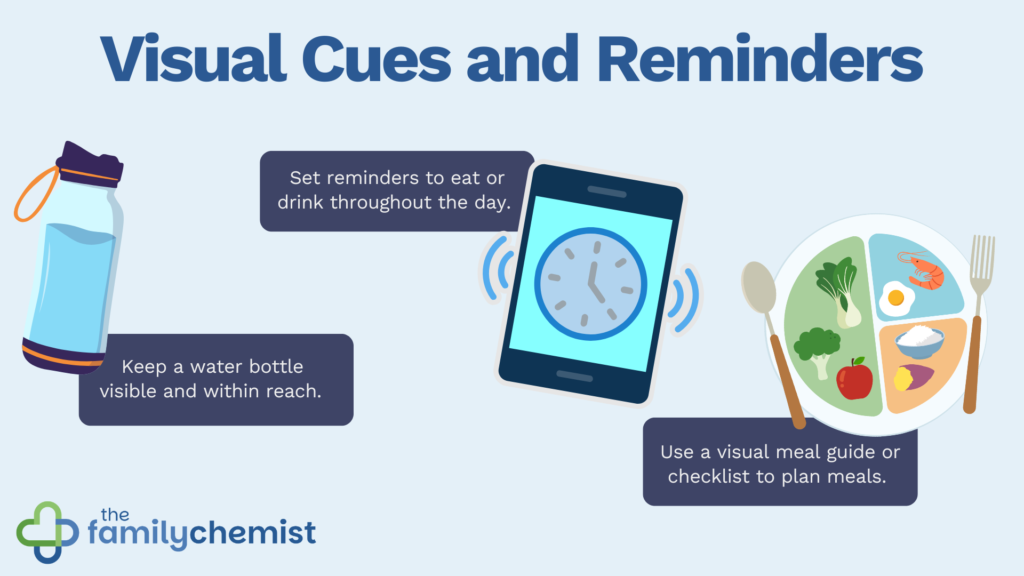
2. Use visual cues and reminders
If you find it difficult to hear those natural hunger and thirst cues, then external prompts can help.
3. Make food sensory friendly
Work with your preferences, not against them. If you force yourself to eat foods that don’t feel right, then you risk creating negative associations with those foods. Try adapting foods instead.
Example
Blend or mash foods which you struggle to add into your diet such as beans or vegetables.
Example
Change how food is cooked. The same food could feel completely different depending on how its prepared. Roasting vegetables can make them crisp and sweet, while steamed vegetables are softer and more mild to taste.
Example
Adjusting the temperature to suit your preference can make foods or drinks feel more ‘safe’. Once food is prepared safely, a small change in temperature can make a big difference. You might let a hot meal cool down if you prefer cooler foods, or warm up refrigerated foods to make them feel more appealing and palatable.
4. Expand your variety slowly
Trying new foods can take time, and that’s okay. Repeat exposure can help our taste adjust over time, even if it isn’t liked right away. Research shows it can take 8-10 tries before a food feels familiar and safe. So be patient with yourself and gradually introduce new foods into your diet rather than make a ‘bit switch’.
5. Break the ‘food as reward’ cycle
Using food as a reward can add to that emotional response to foods. Instead of using food as a reward, try activities, rest time, or something else enjoyable as a reward.
6. Keep tracking simple
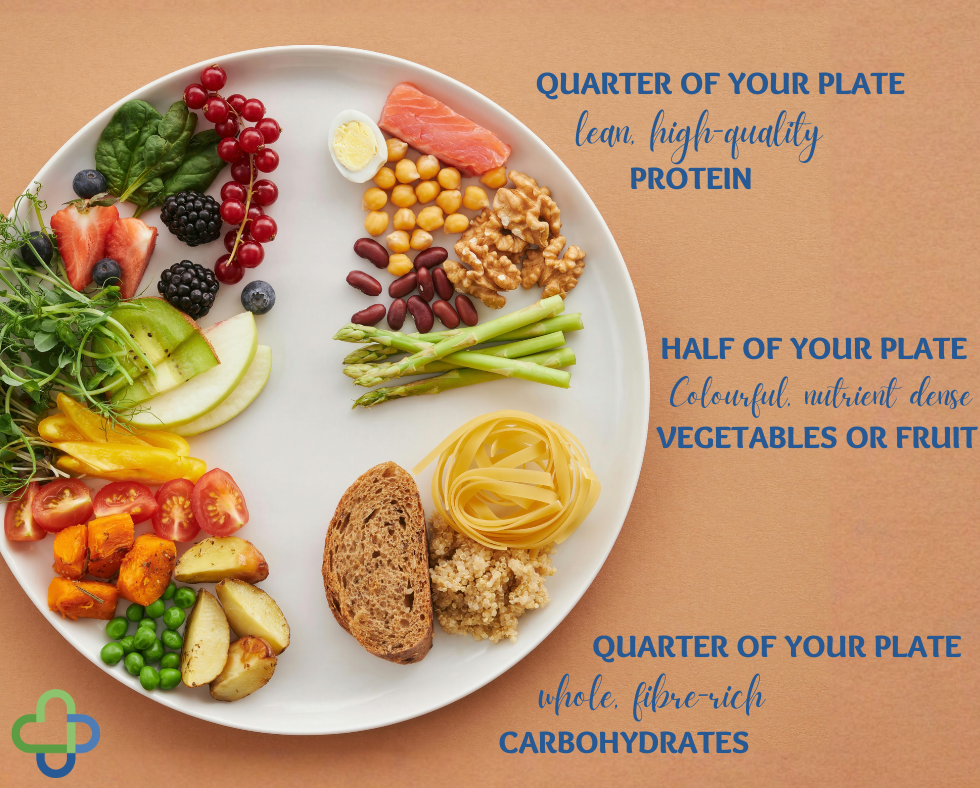
Instead of overwhelming systems and complicated calculations, you can try tracking your intake with a simple goal such as aiming for a consistent two or three meals a day. Or using a basic plate guide to help you plan your portions easily.
7. Reframe hunger cues
Instead of asking the questions “Am I hungry?” or “Am I thirsty?” which can sometimes be difficult to answer if hunger and thirst cues aren’t the most reliable instead ask yourself:
“Do I feel low on energy?”
“Is my water bottle empty?”
“Am I feeling faint or tired?”
“Is it time to eat?”
This can help you feel more in tune with your body and your environment, rather than relying on cues which can be unhelpful. This helps maintain energy and reduce the stress of deciding when to eat or drink.
Remember, the aim is to establish patterns rather than perfection. Small changes can make a big difference so don’t worry about getting it right the first time.
The Bottom Line
If eating feels stressful or confusing, you don’t have to navigate it alone. Everyone’s needs are different, and personalised support can make things much easier. With The Family Chemist, our nutritionist offers 1-2-1 personalised guidance, tailored to your unique preferences, sensory needs, and your lifestyle.