





Varenicline formerly known as Champix, is a prescription medication designed to aid in smoking cessation. It works by reducing withdrawal symptoms and cravings associated with quitting smoking.
At The Family Chemist, we understand that quitting smoking can be a difficult journey. However, we’re here to support you every step of the way. Therefore, Varenicline is a valuable tool that can help you break free from smoking addiction.
The benefits of Varenicline for stopping smoking
- Reduced cravings: Varenicline helps reduce the strong urge to smoke, making it easier to quit.
- Withdrawal symptom relief: It alleviates common withdrawal symptoms, such as irritability and restlessness.
Pricing
| Varenicline | |
| 2 Week Starter – 11 x 0.5mg & 14 x 1mg tablets | £42.99 |
| 2 Week Starter – 0.5mg – 28 tablets | £39.99 |
| 4 Week Starter – 0.5mg – 56 tablets. | £77.99 |
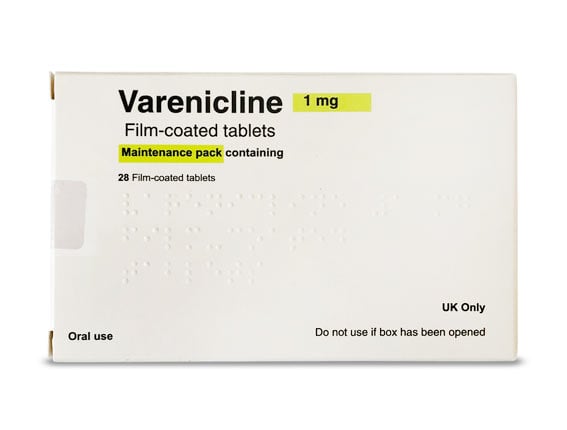
| 2 Week Continuation – 1mg – 28 tablets. | £39.99 |
| 4 Week Continuation – 1mg – 56 tablets | £77.99 |
| 8 Week Continuation – 1mg – 112 tablets | £149.99 |
| 12 Week Complete Course | £244.99 |
When starting the consultation you will be redirected to the treatments page where you can start the short questionnaire.
Same day dispatch if ordered before 2pm
Discreet and plain packaging
Free expert support & advice

GPhC Registered

Free Delivery (Orders Over £20)

Confidential & Discreet

Varenicline FAQs
What are varenicline tablets (Champix)?
Varenicline is a safe and effective prescription-only medication designed to help people quit smoking. It works by reducing nicotine cravings and withdrawal symptoms, making it easier to stop smoking altogether. Clinical studies show that Varenicline can more than double the success rate of stop-smoking attempts compared with placebo. A typical treatment course lasts 12 weeks, but it can be extended to 24 weeks if needed.
Varenicline is the active ingredient in Champix, a now-discontinued branded version of the medication. Its unique mechanism of action offers the added benefit of weaning you off nicotine itself, unlike nicotine replacement therapies (NRT).
How does varenicline work?
Nicotine, the addictive substance in tobacco, binds to specific receptors in the brain, causing pleasurable sensations that lead to addiction. When you stop smoking, withdrawal symptoms such as cravings, restlessness, mood changes, and trouble sleeping can occur, peaking within the first few days to weeks.
Varenicline works by attaching to the same nicotine receptors in the brain. It has a dual-action mechanism:
Blocks Pleasure: Varenicline prevents nicotine from binding to these receptors, reducing the pleasurable sensations of smoking.
Eases Withdrawal: It partially stimulates the receptors, alleviating withdrawal symptoms without the need for nicotine-containing products.
This approach increases your chances of successfully quitting smoking while reducing nicotine dependence.
How to use varenicline?
How to use Varenicline?
Varenicline tablets are taken twice daily, typically for 12 or 24 weeks. Treatment should begin 1-2 weeks before your target quit date.
Dosage Schedule:
| Days of Treatment | Dosage and Frequency |
|---|---|
| Days 1-3 | 0.5mg once daily |
| Days 4-7 | 0.5mg twice daily |
| Day 8 onwards | 1mg (or 2x 0.5mg) twice daily |
A starter pack containing both doses needed for the initial two weeks is available.
If the 1mg dose is not tolerated, it can be reduced to 0.5mg twice daily.
Tablets should be taken after a meal with water to reduce nausea.
Missed Dose:
If you miss a dose, take it as soon as you remember. If it’s close to your next dose, skip the missed dose and continue as normal. Do not double your dose.
Treatment Completion:
The standard treatment course is 12 weeks, with an option to extend to 24 weeks for those with significant withdrawal symptoms or who have relapsed. Gradually tapering off Varenicline by reducing the dose over one to two weeks can help minimize post-treatment side effects such as low mood or insomnia.
Can I use varenicline if I am pregnant or breastfeeding?
Varenicline is not recommended during pregnancy or while breastfeeding, as its effects on the baby are not well studied. Smoking during pregnancy poses serious risks to both mother and baby, including reduced oxygen supply, low birth weight, and premature birth. Pregnant smokers are advised to seek specialist NHS support or consult a midwife for safer cessation methods.
Who cannot take varenicline?
Varenicline is not suitable for everyone. Do not take Varenicline if you:
Are under 18 years old.
Are pregnant or breastfeeding.
Have an allergy to Varenicline or its ingredients.
Have a history of psychiatric illness, active depression, or suicidal thoughts.
Have seizures, epilepsy, or severe kidney disease (dose adjustments may be required).
Seek emergency medical assistance if you experience chest pain, signs of a heart attack, or stroke while on Varenicline.
What are the possible side effects of varenicline?
Most people tolerate Varenicline well, but some may experience side effects. Common side effects include:
Nausea (most common)
Inflammation of the nose or throat
Difficulty sleeping or abnormal dreams
Headache
Rare but serious side effects:
Mood changes or depression
Suicidal thoughts (if this occurs, stop taking Varenicline and seek medical advice immediately)
To reduce side effects when stopping treatment, gradually taper your dose as described above.
Does varenicline interact with other medicines?
There are no significant interactions between Varenicline and most medications. However:
Avoid using nicotine replacement therapies (NRT) such as patches, gum, or sprays alongside Varenicline, as they may interfere with its effectiveness.
Quitting smoking can alter how your body processes certain medications, including insulin, theophylline, and warfarin. Inform your doctor if you are taking these medications.
Alcohol tolerance may decrease while on Varenicline, so monitor your intake.
Alternative stop-smoking treatments
Several alternatives to Varenicline are available:
Nicotine Replacement Therapy (NRT): Options include patches, gum, lozenges, sprays, and inhalers. Combination NRT (e.g., a patch with gum) is more effective than a single product.
Cytisine: A 25-day prescription-only course to reduce nicotine cravings.
Nicotine Vapes (E-cigarettes): Allow you to inhale nicotine vapor without harmful tobacco chemicals. While effective, they may lead to prolonged nicotine dependence.
Bupropion (Zyban): A prescription medication initially developed as an antidepressant.
How successful is varenicline in helping me stop smoking?
Clinical studies show that Varenicline significantly increases your chances of quitting smoking. Key statistics:
Clinical Success Rates
Clinical trials demonstrate that Varenicline delivers superior results compared to other smoking cessation therapies like bupropion and placebo. In two major 12-week trials followed by a 40-week non-treatment phase:
4-Week Quit Rate (Weeks 9–12):
- Varenicline: ~44% quit rate.
- Bupropion: ~30% quit rate.
- Placebo: ~18% quit rate.
Continuous Abstinence Rate (Weeks 9–52):
- Varenicline: ~23% success rate.
- Bupropion: ~15% success rate.
- Placebo: ~10% success rate.
This translates to nearly twice the odds of success compared to bupropion and over three times the odds compared to placebo.
How Does Varenicline Work?
Varenicline targets nicotine receptors in the brain, reducing cravings and withdrawal symptoms. It also diminishes the rewarding effects of smoking, making it easier to resist the urge to light up. These combined effects significantly enhance your chances of maintaining long-term abstinence.
Flexible Quit Options
Whether you’re ready to quit immediately or prefer a gradual approach, Varenicline adapts to your needs. Studies show it remains effective even when the quit date is set between weeks 1 and 5, offering flexibility for those not ready to quit right away.
Extended Benefits
For those who achieve abstinence within the first 12 weeks, an additional 12 weeks of Varenicline treatment can further increase the likelihood of maintaining a smoke-free lifestyle. Clinical data indicates a continuous abstinence rate of 44% at 24 weeks, compared to 37% with placebo.
Patient Information Leaflet
The Patient Information Leaflet (PIL) is a document provided with a medication package that should be reviewed prior to use. It is designed specifically for patients and contains essential details about how to take or use the medication.
How It
Works?
1. Consultation
Fill out a quick, free online questionnaire for the condition you may have .
2. Treatment
Choose your preferred treatment and proceed to checkout.
3. Assessment
Our clinicians review your information and may follow up if needed.
4. Delivery
Your medication is approved and delivered quickly in discreet packaging.
1. Consultation
Fill out a quick, free online questionnaire for the condition you may have.
2. Treatment
Choose your preferred treatment and proceed to checkout.
3. Assessment
Our clinicians review your information and may follow up if needed.
4. Delivery
Your medication is approved and delivered quickly in discreet packaging.
How to
How It Works
Join our newsletter
Sign up to enjoy regular updates, exclusive promotions, and special offers, plus 15% off your first order.
Regulated care you can trust
MHRA-approved and GPhC regulated; we strive to provide the highest standards of care.
General Pharmaceutical Council
General Pharmaceutical Council
The GPhC is the regulator that inspects pharmacies to make sure they meet the highest standards, keeping your safety their top priority.
National Pharmacy Association
The NPA represents independent pharmacies across the UK, offering advice, support, and providing our professional indemnity cover.
Medicines & Healthcare products Regulatory Agency
The MHRA makes sure medicines and medical devices are safe and effective. They approve licenses and monitor safety through the Yellow Card scheme. All our products are MHRA approved.
Digital Clinical Excellence
DiCE is a UK network that works to improve safety and quality in digital healthcare.
Meet our medical professionals
Our clinicians are experts in medicines, nutrition, patient care, and governance.








Aaliyah Nelson
Nutritionist