





Why Can’t I Lose Weight?
Some people may find weight loss more difficult than others due to differences in metabolism, underlying health conditions, hormonal differences, and even certain lifestyle factors. When you’re eating well and moving more it can be disheartening to ask the question ‘why can’t I lose weight’, but you are not alone. Weight loss is influenced by more than willpower and calories alone. Hormones, sleep, stress, medical conditions, genetics, and how our bodies react to weight loss can all play a part. This World Obesity Day on the 4th of March, let’s break down the real reasons that weight loss can be so difficult, and uncover the options available, from nutritional coaching and lifestyle changes to potential treatment options.
Why is Losing Weight so Hard?
Despite what some may tell you, losing weight isn’t just about eating less and moving more. While that is the first step, it’s not the whole journey. Our bodies are designed to protect us from starvation, meaning that when we reduce the calories our bodies can panic a little. Our metabolism slows down so it’s not burning through our resources, our hunger hormones increase, and our energy levels dip. When paired with the modern lifestyles of desk jobs, high stress levels, convenience food, and disrupted sleep, balancing our calorific intake, energy output, and overall health can become challenging.
Losing weight is a long-term process and requires a sustained effort. Losing weight healthily is gradual, not overnight. It can be frustrating when we know we’re putting in the effort, but little is happening. So, what can be getting in the way, and how can we overcome the barriers?
Medical Reasons for Stunted Weight Loss
Certain medical conditions can make weight loss harder for some people.
Conditions which can make weight loss harder:
- Hypothyroidism
- PCOS
- Insulin Resistance
- Cushing’s Syndrome
- Perimenopause and Menopause Related Hormonal Changes
These conditions can affect appetite, metabolism, and fat storage. These conditions are out of your control, and if you think that perhaps one of these conditions might be stunting your weight loss, then speaking to a healthcare professional is key. Seeking support with these conditions can help manage the barrier to your weight loss.
Only Focused on Exercise
Exercise is great for our health, getting blood pumping, boosting that mood, and all in all leading to a healthier, happier life. But, when it comes to weight loss, exercise is not all that there is. Many people will fall into the trap of relying heavily on workouts or step counts while overlooking nutrition, stress, sleep, and daily habits. If your calorie intake is consistently high, you can’t just put in the extra workout to balance it out. Your hormones and metabolism will work against you.
Weight loss is a balance; finding a way for nutrition, exercise, stress management, sleep and our daily habits to all work together for a more holistic approach.
Expecting Results Too Quickly
When we start out trying to lose weight, it can be hard to reign in the expectations. Social media is constantly feeding us dramatic transformations, and the appearance of overnight success, but in real life weight loss is gradual. And it will have been for those in the media too.
Bodies need time to adjust to any weight changes, and sustainable weight loss typically looks like 0.5-1kg per week, but even this varies from one person to the next. When results don’t appear as fast as we would like, it can feel like we’re just not doing it right and we give up. But weight loss can take a while to show meaningful results, don’t give up.
Metabolic Adaptations
When you lose weight, your metabolism naturally slows down, a way of the body trying to protect itself from starvation. What this means is that the body panics about the loss of weight that it tries to burn fewer calories than it usually does. This can mean that while initially you might notice weight loss is a little easier, this can plateau even when you’re one a calorie deficient diet. This doesn’t mean that the weight loss has stunted forever, it can be just a temporary shift in how your body is learning to lose weight.
Using a Total Daily Energy Expenditure (TDEE) calculator can help you learn how many calories you burn each day. This can vary from person to the next, meaning that a calorie different will be different depending on age, gender, weight, and activity levels.
To learn more about weight loss plateaus read more in our blog: Why Weight Loss Plateaus Happen – The Family Chemist

Stress
During periods of chronic stress, our cortisol levels increase. This is a hormone which can boost appetite and increase cravings, can cause fat to be stored around the abdomen, can cause restless nights, and can slow down the metabolism so the body is holding onto energy rather than burning it. This can vary from one person to the next but the biggest change that stress can have is how we manage our eating when stressed. The temptation can be to manage our stress with emotional eating, skipped meals, and easy to obtain foods which are often high in salt and unhealthy fats; all while stress has overtaken our motivation. Managing stress is just as important as managing calories.
Lack of Sleep
Poor sleep affects nearly every hormone involved in hunger and metabolism. Just one night of bad sleep can increase ghrelin levels (the hunger hormone) and reduce leptin levels (the fullness hormone). Over prolonged periods of poor sleep, this can lead to increased appetite, reduced energy for exercise, and slower weight loss.
For a healthy night’s sleep, aim for 7-9 hours to feel fully refreshed.
Genetics
Some people simply gain weight more easily than others. Genetics won’t make weight loss impossible, but they can mean that some people need more tailored support to maintain a healthy weight.
Our genes can influence:
- Appetite regulation
- Fat distribution
- Metabolic rate
- How your body responds to certain foods
- Your natural hunger and fullness cues
For help with your weight care such as personalised coaching with a nutritionist, discover more with our nutritionist coaching.

Cutting Out Too Many Foods
While cutting out certain foods from our diets can seem like a good idea, it can backfire. When we make something unavailable, it is all we can think about. Our craving for that food item, or food group, can intensify, our hunger can increase, and our energy can drop. All making it more likely for the diet to be broken. This cycle of restricted eating can be damaging, not only to our physical health but also to our mental health. Creating shame around certain foods, and guilt over eating habits. We don’t want this.
Eating should be balanced, flexible, and enjoyable. This form of eating is more likely to be sustained long term as you’re building habits that fit your lifestyle rather than fight against it.
How Can We Help?
With The Family Chemist, we believe weight management is not a quick fix or as simple as eating less and moving more. Sustained weight care is about the whole picture and the whole journey as studies have found that people had more success when seeking help from a healthcare professional. With our online clinic, you get support every step of the way. We offer GLP-1 treatment options such as Mounjaro, Wegovy, and Nevolat, which work by regulating appetite, improving blood sugar control, and supporting your metabolic health.
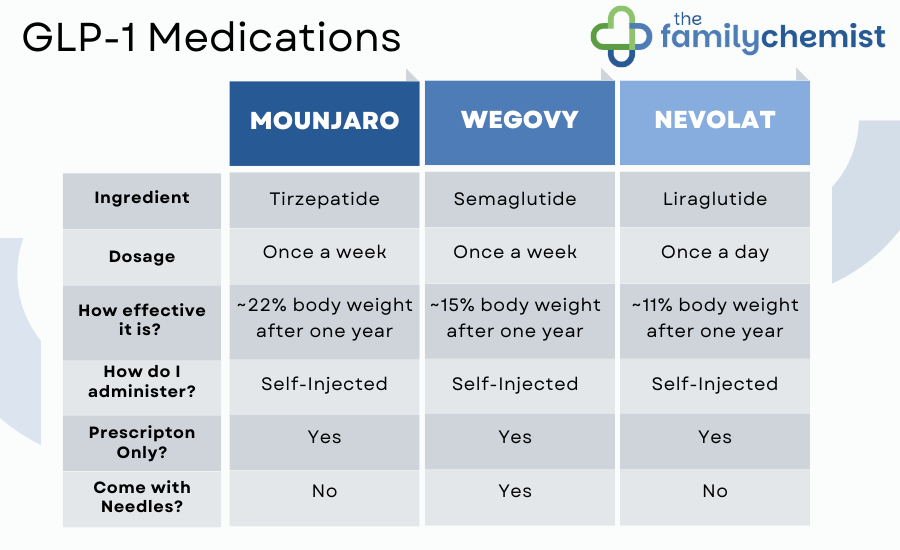
The Family Chemist also offers personalised 1-to-1 coaching with our qualified nutritionist. Helping you build healthy lifestyle habits that you can maintain far into the future. Weight loss can be hard, especially with certain barriers in the way, and we’re here to help.
The Bottom Line
Struggling to lose weight doesn’t mean you’re doing anything wrong. Sometimes it simply means your body, your lifestyle, or your health needs a different kind of support. All of which is completely normal. Weight loss is complex, gradual, and it can be hard to navigate this alone.
Whether you’re dealing with stress, trying to overcome medical causes of weight gain, battling a genetic predisposition to weight gain, or simply feeling stuck, The Family Chemist is available. Our team is here to guide you through your journey with treatment options such as Mounjaro, Wegovy, and Nevolat, along with 1-to-1 nutrition coaching.
You deserve support that understands the full picture. And we’re here to walk that journey with you.