





 Our last order date is Tuesday 31st March. For festive opening times,
Different people can gain and lose weight at different speeds and from different places than others. While what you eat, how you’re exercising, and your genes can all play a role in how easily you lose weight, and where you lose it from; your body shape and body composition can also play a role in how your body stores fat and how it responds to efforts to lose weight.
By understanding your body shape, you can have a more targeted approach to losing weight and find a plan that fits you uniquely.
Why Body Shape Matters for Weight Loss
Our body shape refers to how fat and muscle sit across the body. Influenced by genetics, hormones, and lifestyle factors, our body shape does not determine health but can be an indicator of our health. Fat distribution in the body can impact our risk of disease, especially if we carry excess fat around the abdomen.
This can link to risk of conditions such as:
- Type 2 diabetes
- Heart disease
- High cholesterol
The Three Main Body Types
Body composition or body type are usually described using three categories called ‘somatotypes’. Using bone structure, fat storage, and muscular build, you can determine which body type you have.
Do I Have an Ectomorph Body Type?
Ectomorphs are usually naturally slim with a smaller frame and lower body fat levels. They typically have a fast metabolism, making it easier to stay lean and burn through fat.
Someone with an ectomorph body type typically has narrow shoulders and hips, smaller joints and bone structure, and often has difficulty gaining weight and muscle.
Because those with an ectomorph body type tend to have lower body fat, weight loss might not be a primary goal. Instead, the goal might be to build muscle mass and improve strength and fitness.
However, it’s worth noting that being naturally slim does not automatically mean healthy. Metabolic health is deeper than skin level and it is possible to have a healthy BMI, but with a high body fat percentage.
Do I Have a Mesomorph Body Type?
People with a mesomorph body type are often described as having a naturally athletic build. They typically have broader shoulders and a narrower waist. They usually can lose weight relatively easily but will also notice that they gain weight easily too.
People with this body type often respond well to strength training, building muscle easily. However, calorie intake does still need to be balanced, and regular high intake which exceeds the energy used can still cause weight gain.
Do I Have an Endomorph Body Type?
Those with an endomorph body type typically have a larger frame, and higher proportion of body fat. They may find they gain weight more easily. People with an endomorph body type usually have a rounder body shape, and a slower metabolism which can contribute to tendency to store fat.
This body type might cause weight loss to be more challenging because naturally their bodies may store excess calories. For this reason, if you have this body type then you may benefit from a more structured nutrition plan, and weight management support.
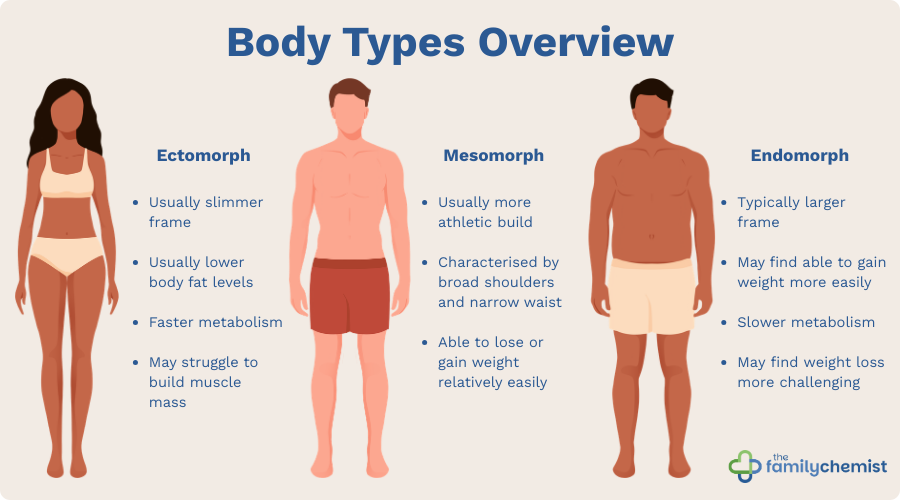
While many people find these classifications helpful for describing their body composition, most people fall somewhere in-between rather than fitting into one.
Fat Distribution Shapes
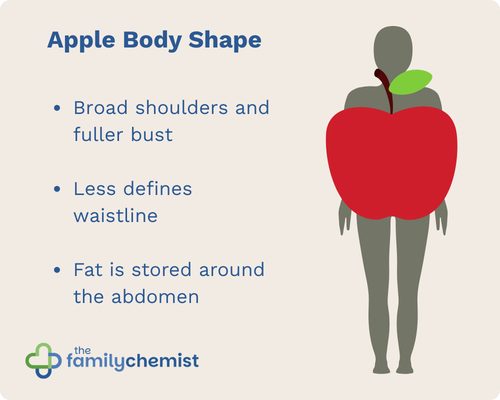
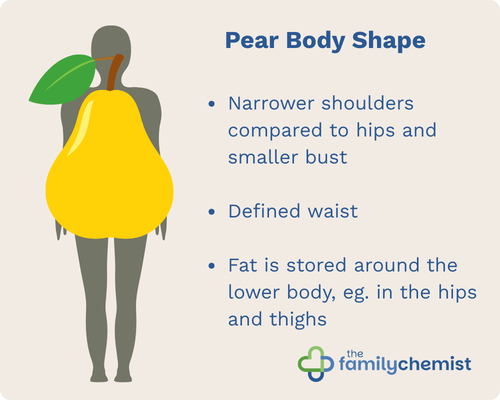
We’ve already looked into the body types which might find it easier to store fat or build muscle, but what about where the fat is stored? Fat distribution can create different body shapes.
Why Might You Be Finding It Difficult to Lose Weight?
If you’re finding it difficult to lose weight, you are not alone. Weight loss can be influenced by a wide range of factors outside of just diet and exercise. Hormones, age, sleep quality, stress, and medical conditions can all affect how your body stores fat and uses energy. Body type and body shape can also play a role, as some people naturally store fat more easily, and might struggle to lose weight. For many people, this means that a personalised approach to weight management could help improve long-term results. Nutritionist coaching and advice can help find a plan that works for you, no matter your body type and size.

When You Need Extra Support with Weight Loss
For some people, lifestyle changes alone might not lead to the weight loss results they hope for. Prescription treatments may be considered alongside lifestyle changes to give you the added support you need.
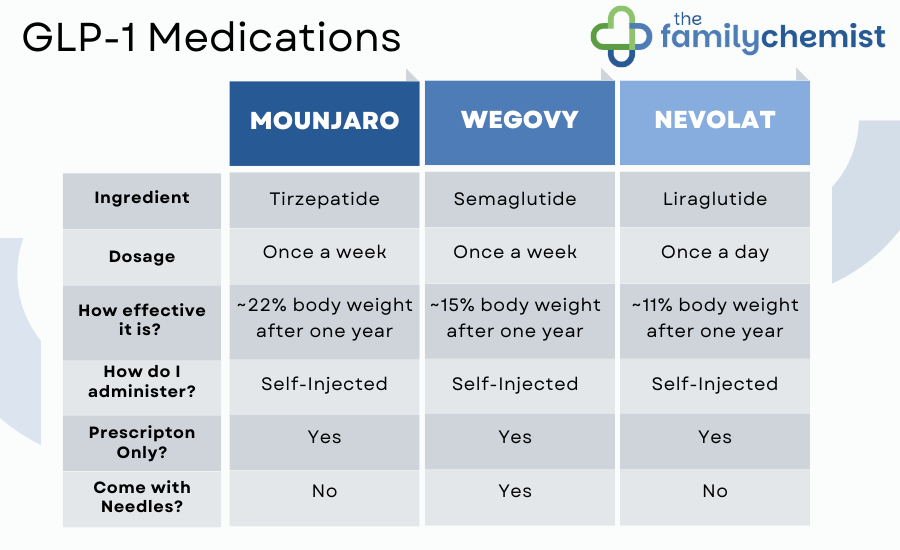
GLP-1 injection pens such as Mounjaro and Wegovy are a popular option which work by mimicking the natural hormone in the body that regulates hunger and digestion. Reducing hunger signals and increasing the feelings of fullness. Helping to support a lower calorie diet.
The Bottom Line
No two bodies are the same, and there is no single solution that works for everyone. Understanding your body shape and body type is a huge step towards creating a weight management plan that works for you.
If you’re struggling to lose weight despite eating healthier and moving more, professional support and evidence-based treatments could help you achieve your goals.