


Erectile Dysfunction: Causes and When To Get Treatment
Table of Contents
Erectile dysfunction (ED) can be due to a variety of factors including physical and physiological causes. ED can develop gradually over time, or appear suddenly and unexpectedly, often leaving many men questioning what has caused this sexual barrier and trying to find an option to get back to feeling in control again. When erectile dysfunction occurs it can affect emotional well-being which can then cause anxiety, stress, and strained relationships all of which can further impact symptoms of erectile dysfunction.
Physical Causes of Erectile Dysfunction
Conditions that affect blood flow and hormonal health, such as cardiovascular disease, diabetes, and low testosterone are leading causes of erectile dysfunction. An erection depends heavily on our physical health, and if any of these systems are disrupted then ED can happen.
Diabetes
Overtime, diabetes can damage nerves and blood vessels due to high blood sugar levels. Men with diabetes (particularly type 2) are significantly more likely to experience ED. Keeping those blood sugar levels under control using diet, exercise, and medicated treatment options can reduce this risk.
Cardiovascular Health (High Blood Pressure and Heart Disease)
Healthy erections rely on healthy blood flow. If your heart health is under strain, you have narrowed or blocked arteries, high blood pressure, or heart disease, then circulation to the penis becomes more limited. For many men, erectile dysfunction can often be an early warning sign of heart conditions which can be detected sooner.
If you have symptoms such as chest pain or shortness of breath alongside erectile dysfunction then seek medical advice sooner rather than later. Treating heart conditions can improve sexual health.
Low Testosterone
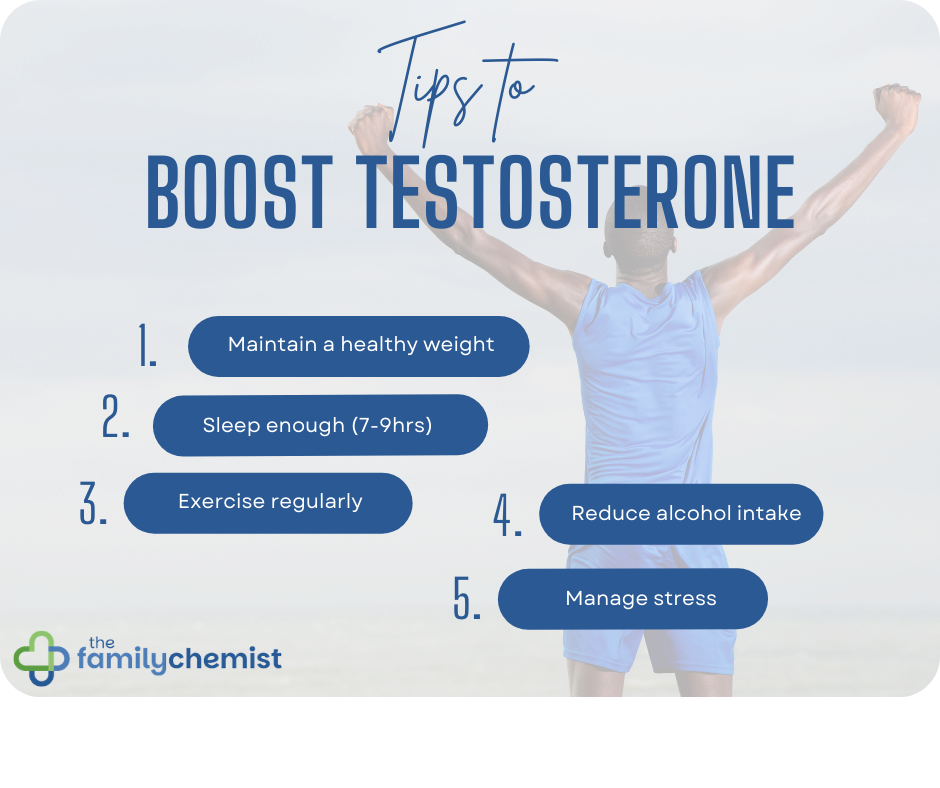
Testosterone is the main hormone linked to male sexual health. Playing a crucial role in libido and erectile function. If you have low levels of testosterone, it can have an impact upon sexual dysfunction. Other symptoms of low testosterone can include fatigue, low mood, and reduced muscle mass.
Smoking and Alcohol Intake
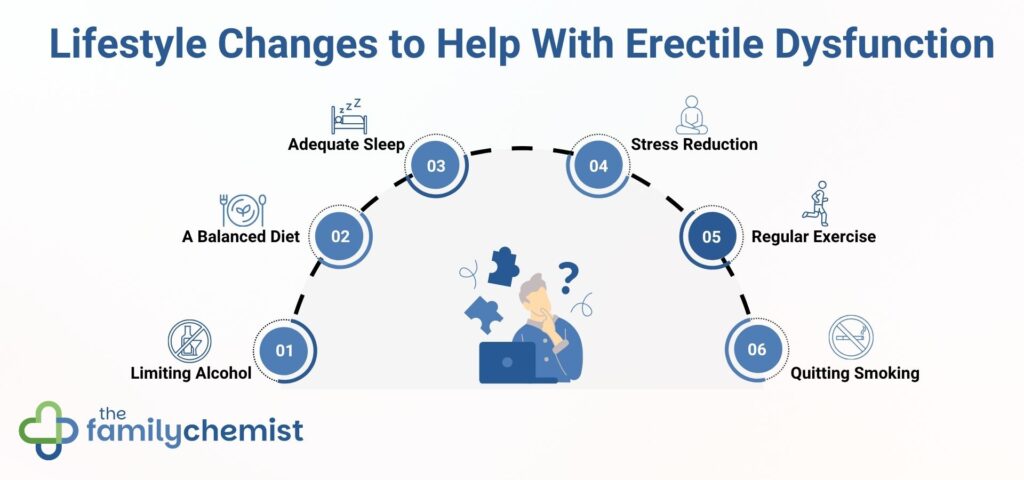
Certain lifestyle choices, including smoking and high alcohol intake can significantly increase the risk of ED. Affecting blood flow, and hormonal balance which are both essential to achieve and maintain an erection. Quitting smoking and cutting down on alcohol intake can improve circulation, boost sexual health, and help with overall health too.
Medication
Certain prescription medications can interfere with sexual performance. Treatments for high blood pressure, depression, anxiety, and some prostate conditions can have this effect. It is important not to stop your regular medication, even if you suspect that it may be causing your ED. However, booking a quick chat with a healthcare professional might help them decide whether to adjust your dosage.
Sleep
Poor sleep routines and sleep disorders (such as sleep apnoea) can disrupt hormonal balance and reduce testosterone levels. Our hormones are regulated mainly at night during rest and by disturbing this crucial time, testosterone levels can drop. Not only this, but disrupted sleep can affect our moods and energy levels. Both of which can have a physiological effect upon sexual health. Simple changes such as reducing screen time before bed, and limiting caffeine can help restore your sleep schedule and support your sexual health.

Mental Health Causes of Erectile Dysfunction
Our mental health is often just as important as our physical health. If something is causing stress, anxiety, or depression this can lead to physical symptoms which can affect sexual health.
Depression
Mental health conditions such as depression can reduce libido, interrupt motivation, and make it difficult to feel aroused. Depression caused by low self-esteem can interfere with our relationship with our bodies leading to performance issue, making it difficult to maintain an erection.
Stress
Short term, or chronic stress from personal, professional, or financial issues can cause erectile dysfunction. When the body is in a constant state of tension caused by stress , it becomes harder to relax and achieve an erection. Significant life changes, such as job loss or relationship conflicts, cause stress which is often interlinked with other triggers such as depression. Stress related to sexual performance or new relationships can sometimes create a cycle of worry that can affect erectile function, making it difficult to achieve or maintain an erection.
Issues with a Partner
Relationship issues, lack of communication, and emotional disconnect can affect intimacy and sexual confidence. Having open discussions with your partner or undergoing relationship counselling may help to resolve these concerns so you and your partner feel on the same page again.
How is Sudden ED Different to Chronic ED?
Regardless of whether you are suffering from sudden erectile dysfunction or chronic ED, which is long-term, they can both cause emotional responses of anxiety and stress. Where sudden onset erectile dysfunction can cause shock and is often linked to specific health changes or sudden stressors, chronic long-term ED is a gradual and persistent condition which is often linked to long-term health conditions such as heart health, diabetes, or hormonal imbalances.
For both chronic and sudden ED it is important to try and identify the cause in order to tackle the problem. Addressing any underlying conditions which may need intervention such as high blood pressure or diabetes, discussing any phycological causes which can help to ease any stressors or anxieties which might be interfering with your sexual confidence, or using treatment options such as Viagra or Cialis which can help you take back control of your own sexual health and feel like yourself again.
Preventing Erectile Dysfunction
While not all causes of ED can be prevented, there are many ways to reduce your risk and take back control. Erectile dysfunction can also be an early warning sign of certain underlying conditions, and be a cause in itself for depression and anxiety, so seeking help with your ED could help your overall wellbeing and health.
Regular Check-ups
Routine health checks might feel unnecessary if you’re feeling perfectly healthy, but certain conditions such as diabetes or high blood pressure can sometimes go unnoticed. Quick check-ups can help detect issues before they cause a problem, and before they cause symptoms such as ED.
Stop Smoking
Stopping smoking not only improves your sexual health, but improves your overall circulation and reduces the risk of cardiovascular disease. Support and treatment options to start your stop smoking journey are available through the NHS Better Health page and The Family Chemist treatment page.
Regular Exercise
Physical activity is great for boosting circulation, improving heart health, and supporting hormonal balance. All essential areas of health for maintaining erectile function. Adults are advised to aim for at least 150 minutes of moderate exercise each week. That’s enough to raise your heart rate, and make you breathe faster and feel warmer.
Reducing Stress
Stress management such as medication, regular downtime, or breathing exercises can help to improve your mental health and sexual health. Feeling calmer and more confident.
Read more about how breathing techniques can help with sexual dysfunction: Breathing Techniques & Sexual Health | The Family Chemist
Help with Mental Health
If mental health conditions such as anxiety, depression, or chronic stress are impacting your sexual health, then seeking help can go a long way. Addressing the underlying issue that might be causing erectile dysfunction, lack of libido, or even relationship disconnect can help you feel confident in yourself again.
Consult with a Pharmacist
Seeking professional advice when it comes to ED is crucial. Our team of pharmacists can help to recommend appropriate treatment options or point you in the right direction for support. Guidance and the reassurance that you’re not alone can help to boost your confidence and ease the symptoms of ED.
Treatment Options with The Family Chemist
There are several tested, effective treatment options available for erectile dysfunction (ED) that can help give you the boost you need. The treatment option that’s right for you can depend upon any pre-existing conditions, daily routine, and personal preference.
Oral Medications
Phosphodiesterase type 5 (PDE-5) inhibitors are the golden standard when it comes to treatment for ED. These medications help increase blood flow to the penis, facilitating an erection.
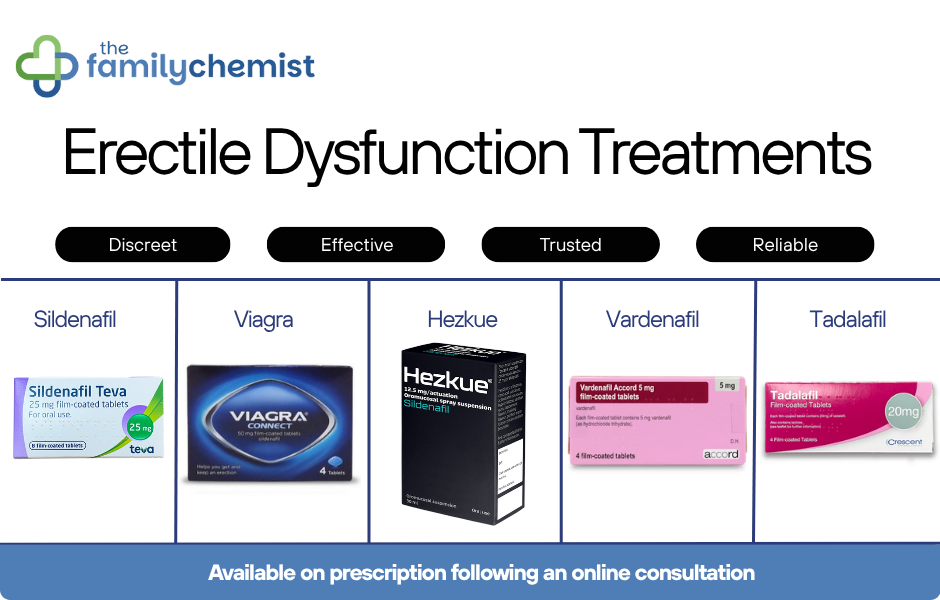
Available in tablet forms, or as a quick and easy to use spray (Hezkue). Letting you find the treatment that works for you.
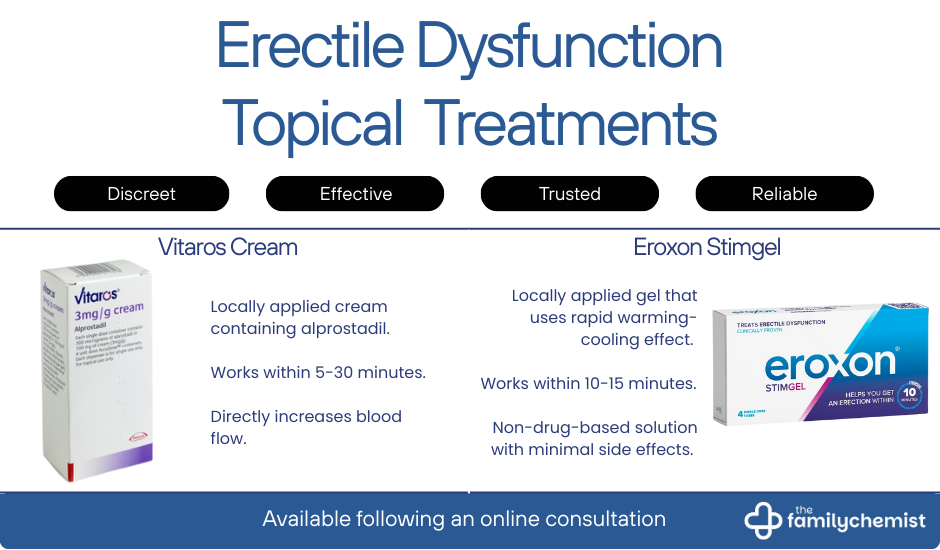
Topical Treatments
Gels and creams which are applied directly to the penis can help offer a non-invasive alternative to tablets or oral sprays. They act locally, helping to either increase blood flow, or to stimulate the penis for an easier erection.
The Bottom Line
Erectile dysfunction can feel awkward and uncomfortable to talk about, but it’s common and treatable. Regardless of whether the cause is physical, phycological, or a combination of both, understanding the root cause of the issue is the first step towards taking control of your health again. With lifestyle adjustments, guidance, and a range of proven treatments available, support is in reach. If ED is affecting you, seeking advice can make a meaningful difference not only for your sexual health but to your long-term physical and emotional wellbeing too.