




















Consultation Complete
Please select from the treatments we recommend below.
Hayfever
Hayfever FAQ's
Hayfever is an allergic reaction where a foreign body known as an allergen irritates the inside of the nose or throat, causing inflammation. Allergens can range from pollen, dust, mould or even skin flakes. Allergic rhinitis is a medical term for hay fever. Hayfever is most common during spring and summer when it is warm, humid, and windy. This is when the pollen count is at its highest. However, some people may have symptoms throughout the year due to allergens such as house dust mites and animal dander or occupational allergens due to exposure to allergens in the work environment.
Allergic Rhinitis is very common. In fact, nearly a quarter of the UK population suffers from allergies.
Patients typically experience cold like symptoms such as
- sneezing/coughing,
- a blocked or runny nose,
- itchy, red or watery eyes.
- Itchy throat, mouth, nose and ears
- Loss of smell
- Pain around your temples and forehead
- Headache
- Earache
- Feeling tired
The symptoms start soon as you are exposed to the allergen and can last months unlike a cold which lasts 1-2 weeks. Most people will have mild symptoms however some patients with severe symptoms may develop complications such as impaired quality of live, difficulty concentrating, sleep disturbance and worsening of asthma.
Does hayfever/allergic rhinitis go away?
Unfortunately, there is no cure. Fortunately, the symptoms of hayfever/ allergic rhinitis can improve over time but can last for many years. There is a low chance that the symptoms will completely disappear.
We assess the type, frequency, persistence, and location of symptoms.
Type: Tree pollens (most common early to late spring), grass pollens (late spring to early summer), weed pollens (early spring to early autumn), house dust mites (all year round), animal dander (all year round), occupational (improves when away from work such as weekends or holidays)
Frequency and Persistence: Seasonal, perennial, intermittent, persistent, occupational.
Location of symptoms: Indoors or outdoors.
The severity of symptoms is based on the impact on the persons quality of life including sleep, concentration, mood, behavior, fatigue, and impact on school and work.
Hayfever or allergic rhinitis is more common in people with eczema or asthma.
We recommend the following treatment pathway:
Consider the regular use of Nasal irrigation with saline. An example of this is NeilMed Sinus Rinse. This will help rinse the nasal cavity and keep it free of irritants. Nasal irrigation can be carried out as often as necessary but use a clear solution everytime.
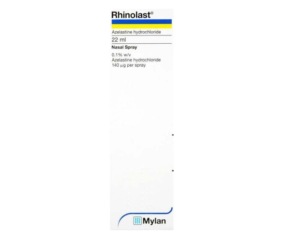
Mild to moderate intermittent or mild persistent symptoms: Trial an intranasal antihistamine such as Rhinolast, to be used when required or a non-sedating antihistamine such as Loratadine, Cetirizine or Fexofenadine. We tend to see better response with intranasal antihistamines as they have a faster onset of action and work at the site of action. If no improvement is seen then a regular intranasal steroid should be used.
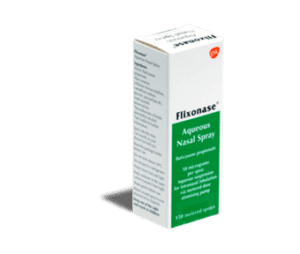
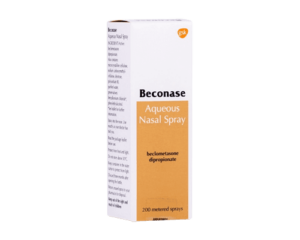
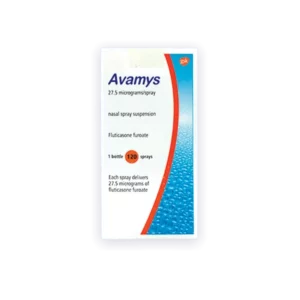
Moderate to severe symptoms: Consider a regular intranasal corticosteroid such as mometasone, fluticasone or beclomethasone. This should be used during periods of allergen exposure. It can take 6-8 hours after first dose to see improvement and maximum effect is seen after two weeks.
Failed first line treatment: If symptoms persist after 2-4 weeks of treatment, then you should consider treating the symptoms:
If nasal congestion is a problem, then use an intranasal decongestant such as Sudafed blocked nose spray for up to 5-7 days. It is essential we stop using the spray after 7 days otherwise you may experience refractory symptoms.
If there is persistent runny nose despite the use of an intranasal corticosteroid and oral antihistamine then consider a intranasal anticholinergic such as Rinatec.
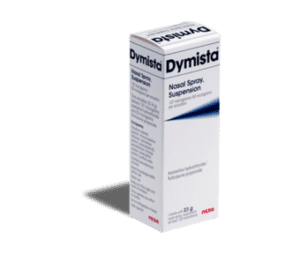
If there is persistent nasal itching and sneezing, then consider daily oral antihistamines or a combination nasal spray such as Dymista spray. If using Dymista spray, then stop using oral antihistamines.
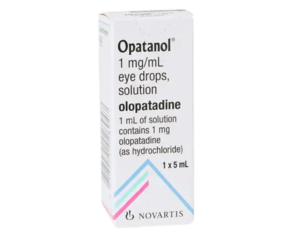
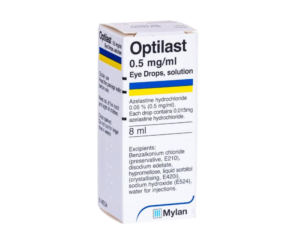
If there are persistent or intermittent itchy, red or watery eyes, consider using antihistamine eye drops or sodium cromoglicate eye drops. Examples include Opticrom, Optilast or Rapitil. These can be used in combination with Oral antihistamines and Nasal sprays giving you the highest chance of overcoming hayfever or allergic rhinitis.
If the treatment fails, you experience symptoms only on one eye or nostril, have a blood-stained nasal discharge, recurrent nose bleeds, or nasal pain then you must seek medical help immediately.
Patients with failed treatments are normally referred to ENT for allergy testing and possible immunotherapy treatment.
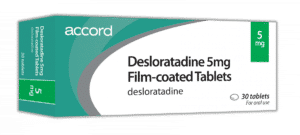
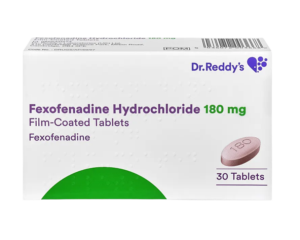
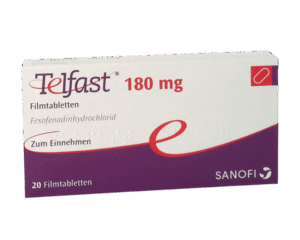
Antihistamines help relieve symptoms by blocking the actions of histamine. Histamine is a chemical produced by the cells in your body. When the body comes in contact with allergens, it activates the mast cells which form part of your immune system. Mast cells release large amounts of histamine which sets of a chain reaction causing the blood vessels to become leaky. This allows access for other white blood cells to defend your body. The excessive release of histamine causes the associated symptoms of itching, swelling, runny eyes etc. Antihistamines physically block the histamine receptors and therefore decreasing the body’s reaction to allergens. Oral Antihistamines such as Loratadine, cetirizine and chlorphenamine are commonly available from over the counter however Fexofenadine is a prescription only treatment. The Family Chemist have Cetirizine, Loratadine, Chlorphenamine and Fexofenadine available to purchase. Intranasal Antihistamine such as Rhinolast contains a antihistamine called azelastine. These are prescription only medicines and are more effective as they work at the site of action. Antihistamine eye drops such as Optilast (azelastine) and cromoglicate eye drops such as Opticrom (sodium cromoglicate) are equally as effective in reducing ocular symptoms. It is not recommended to use intranasal antihistamines and oral antihistamines together. However, oral or nasal antihistamines can be used with eye drops.
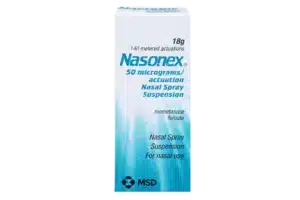
Steroid nasal sprays help unblock nose stuffiness and congestion and treat a runny, itchy nose. Steroid sprays work by reducing swelling, inflammation, and mucus in the nose. As they are sprayed in your nose the absorption into the body is minimal and therefore risk of side effects is low and effectiveness is high. Steroid sprays such as fluticasone and beclometasone are available over the counter. Prescription only treatments from The Family Chemist include Dymista and Nasonex. Dymista contains a combination of a steroid and antihistamine for dual relief. Steroid nasal sprays can be used in combination with eye drops and oral antihistamines to get triple relief. Steroid sprays should be used a couple of weeks before the exposure of an allergen. You can stop using them once the allergen exposure is gone.
A blocked or runny nose may prevent the steroid spray from reaching the site of action. You may immediately use a nasal decongestant spray such as xylometazoline to clear the blocked nose. This makes way for a steroid spray once the nose is clear. However, decongestant nasal sprays should not be used for longer than 5-7 days as rebound congestion may develop.
GPhC Registered
Free Delivery (Orders Over £20)
Confidential & Discreet
How It
Works?
1. Consultation
Fill out a quick, free online questionnaire for the condition you may have
.
2. Treatment
Choose your preferred treatment and proceed to checkout.
3. Assessment
Our clinicians review your information and may follow up if needed.
4. Delivery
Your medication is approved and delivered quickly in discreet packaging.
1. Consultation
Fill out a quick, free online questionnaire for the condition you may have.
2. Treatment
Choose your preferred treatment and proceed to checkout.
3. Assessment
Our clinicians review your information and may follow up if needed.
4. Delivery
Your medication is approved and delivered quickly in discreet packaging.
How to
How It Works
Join our newsletter
Sign up to enjoy regular updates, exclusive promotions, and special offers, plus 15% off your first order.