





 Our last order date is Tuesday 31st March. For festive opening times,

Finasteride is a widely prescribed medication in the UK, used for treatment of male pattern baldness and benign prostatic hyperplasia (BPH). While it is effective for many men, some have concerns about the possible side effects that it may have. Although not everyone may get side effects, it can cause some men to be hesitant to start treatment.
We’re here to explain and hopefully reassure about the possible side effects and, more importantly, give some tips to reduce the likeliness of side effects and ways to manage them if they do happen.
How does finasteride work?
Finasteride works by blocking an enzyme called 5-alpha-reductase. This enzyme turns testosterone into dihydrotestosterone (DHT) which plays a key role in male pattern baldness.
DHT affects the hair follicles on the scalp, causing them to shrink over time. This leads to a change in the lifecycle of hair. Causing thinner, shorter hairs that can eventually stop growing altogether.
By lowering DHT levels, finasteride works to slow the hair loss and hair thinning, and in come cases even lead to regrowth of hair. The effects of finasteride can be gradual. But over time with consistent use, finasteride can show meaningful results.
Side effects of finasteride
The most widely discussed side effects of finasteride relate to sexual health, but these are rather uncommon and don’t affect the majority of men.
Sexual side effects
- Decreased libido
- Erectile dysfunction
- Potential problems with ejaculation
Studies and clinical trials have found that these side effects only affect the minority of patient, and in most cases, are reversible once the medication has been stopped.
Psychological effects
For some people taking finasteride, their mood can change, leading to increased risk of depression, anxiety, reduced confidence, and less frequently, suicidal thoughts. These effects may sometimes be linked to the physical effects of the medication, such as sexual dysfunction, but should these occur they should not be overlooked.
If taking finasteride and you experience any of these symptoms, then stop taking the medication and seek medical support.
Effects on prostate-specific antigen (PSA) levels
Prostate-specific antigen (PSA) is a chemical in the blood which can be used as a marker of prostate health. Finasteride can have an effect on PSA levels in the blood, decreasing them. While this decrease is harmless, PSA is also used to screen for prostate cancer and artificially decreased levels might affect results.
If you are undergoing any blood tests, then it is important to declare all medication that you are taking.
Pregnancy and breastfeeding
Finasteride is not for use in women, particularly those who are or may become pregnant, as this medication can cause birth defects in a developing male foetus. For this reason, we also advise that any men who are planning to father a child should consider stopping treatment.
What are the serious side effects of finasteride?
Though rare, serious side effects can include:
- Persistent erectile dysfunction
- Depression, or suicidal thoughts
- Breast tenderness, enlargement, or lumps
- Allergic reactions (e.g. swelling, rash, or difficulty breathing)
If you experience any of these symptoms it is important that you seek medical attention immediately.
Long term side effects of finasteride
Research into the long-term effects of finasteride is ongoing. While many men use finasteride safely for extended periods, prolonged use can cause some side effects to continue even after stopping the medication.
Side effects which could persist after stopping finasteride after long term use can include ongoing sexual dysfunction, low mood or depression, tiredness or brain fog. Though it is uncommon for these symptoms to persist, it’s important to speak to a healthcare professional if they do.
Ways to reduce side effects of finasteride
Follow the prescribed dosage
It’s crucial to always take medication exactly as advised by your GP or pharmacist. For hair loss, our dosage for finasteride is to take one 1mg tablet once a day. Do not increase or decrease your dosage unless advised to do so by a healthcare professional.
Regular monitoring
Keep track of any changes that you notice in your mood and physical health. Early awareness of anything that doesn’t seem right can help get things sorted.
Awareness of side effects
Staying informed about potential side effects can help to recognise them early if you know what to watch out for. This can help you monitor the effects the medication is having.
Lifestyle factors
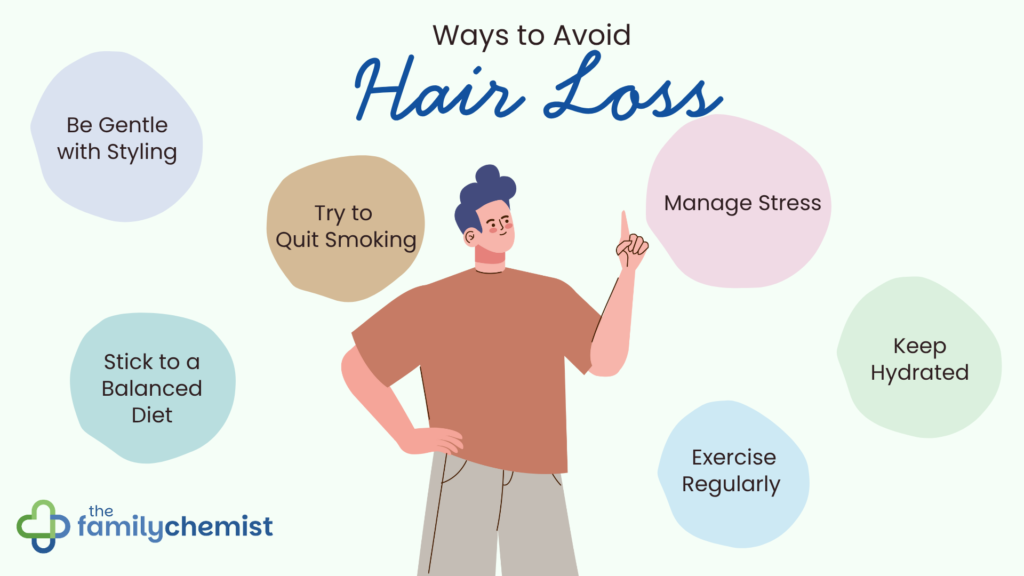
While lifestyle factors haven’t been proven to directly influence the side effects of finasteride directly, maintaining a healthy lifestyle (like a balanced diet, regular exercise, and avoiding smoking and excessive alcohol consumption) can contribute to overall health and well-being boosting your mood and your confidence too. Certain lifestyle changes can also help to avoid hair loss in the first place; one of the main uses of finasteride.
Discuss alternative treatments
If you’re concerned about the potential side effects of finasteride, discuss alternative treatments with our pharmacist. There may be other options that you can try.
Report side effects
If you experience side effects, you can report them. The earlier the better. Reporting them to ourselves can help us advise you on how to manage your side effects. We may advise that we adjust your treatment plan, or perhaps to try a different medication all together.
Reporting side effects to Yellow Card reporting can also help other healthcare professionals and to gain insight into potential risks and reactions. Leading to changes in treatment plans to make things safer, or helping any future patients stay informed.
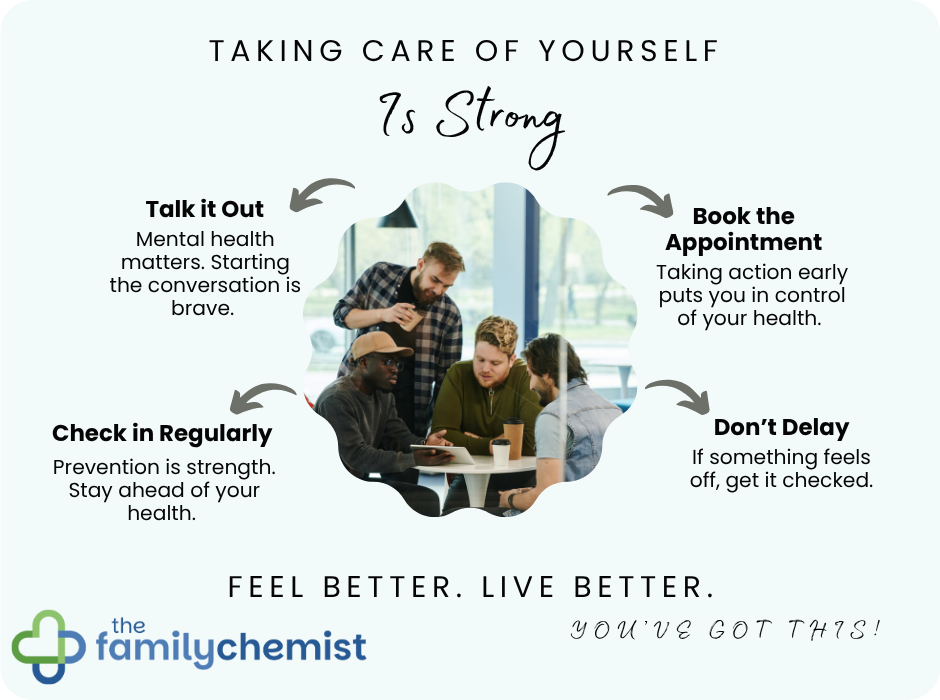
Counselling and support
For psychological side effects like mood changes or psychological changes due to sexual dysfunction, counselling or support groups can be beneficial. No one should suffer alone, and talking can make a meaningful difference in overcoming anxieties or negative thoughts.
You might be interested in:
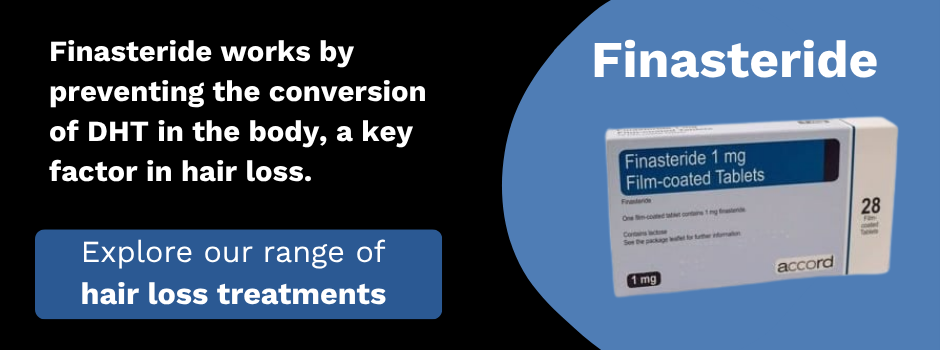
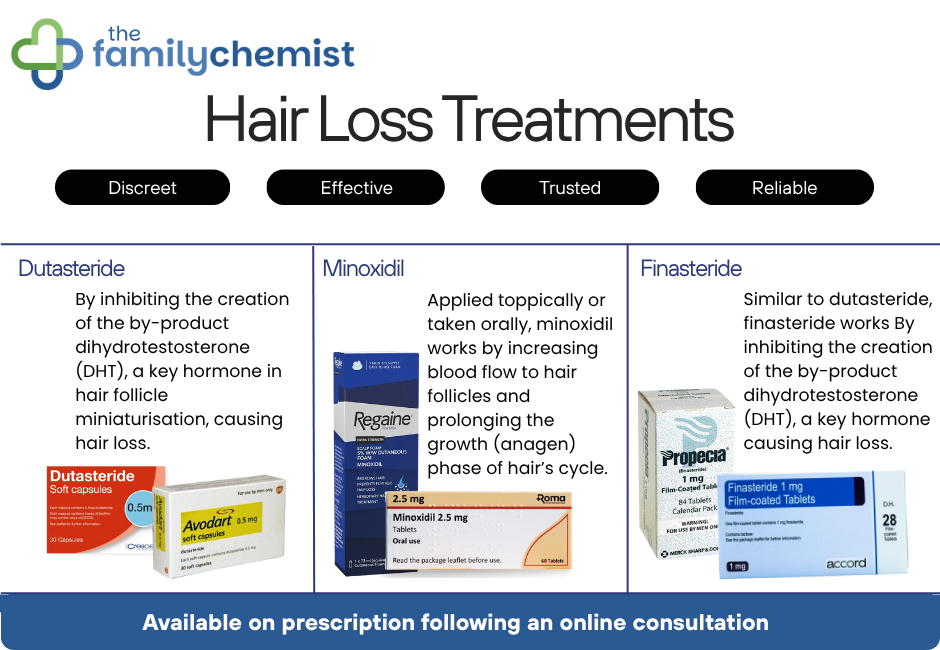
If you’re exploring treatment options for hair loss, The Family Chemist has a range of options, not just finasteride. From topical treatments to oral tablets and capsules, we’re here to help. Understanding your options can help you find the approach which feels comfortable and effective.
The Bottom Line
Finasteride can be an effective treatment for hair loss amongst men, but like any medication, it’s important to use it carefully and stay informed about potential side effects. Monitoring your personal response to the medication and any possible side effects is important, and helps the treatment remain safe and effective. If you’re considering taking finasteride, or any hair loss medication, stay in the know and keep an eye on any changes in your health; particularly your mood and sexual wellbeing.
If you’re still unsure, read more on hair loss treatments and find the treatment that sounds right for you.