




What is Stress? And How to Manage It in Everyday Life
Table of Contents
At some point in our lives, we’ll likely all experience stress. For some people this might be more common than others, but from busy work schedules to financial worries, it’s easy to get overwhelmed sometimes.
While a small amount of stress can sometimes keep us motivated and focused on the tasks at hand, ongoing constant stress can take a toll on our physical and mental wellbeing. Affecting how we think, feel, behave, and often without us even realising it, our health.
But, this Stress Awareness Month, we’re learning how to recognise the signs of stress, and understand how to manage it which is so important in keeping well. The right awareness and tools can help to reduce the impact of stress and improve our quality of life.
What Is Stress?
In short, stress is the body’s response to pressure or perceived threats. It triggers the body to react physically and emotionally to help us cope with the challenge ahead. Part of the body’s survival mechanism, it helps us react quickly and endure challenges. Often referred to as the ‘fight or flight’ response.
Despite today’s stressors being very different from those of our ancestors, the same reaction is had with the release of hormones such as adrenaline and cortisol.
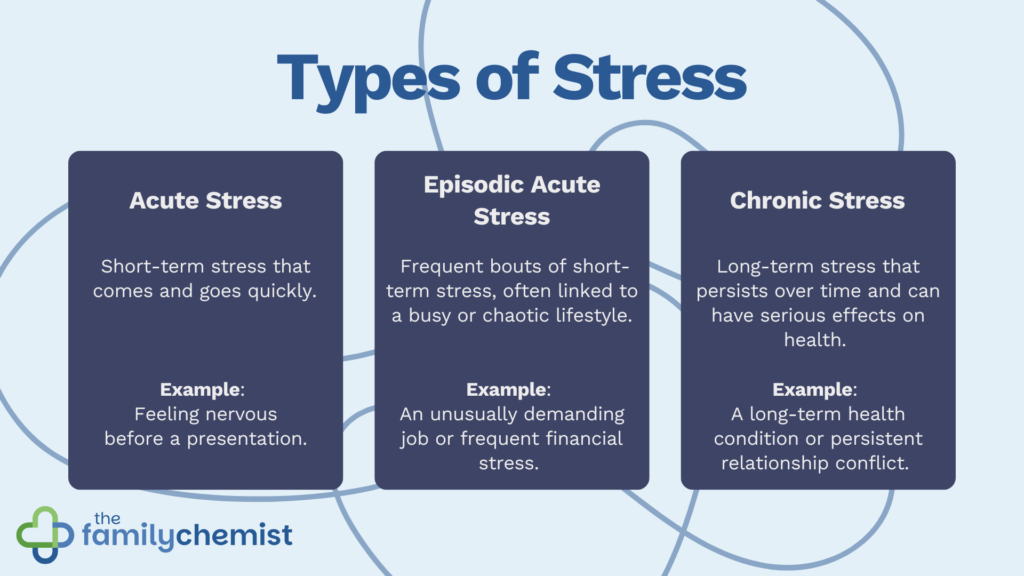
In small amounts stress can be helpful; helping us focus, keep motivated, and to perform under pressure. The problem is when stress becomes frequent or long-lasting.
Common Causes of Stress
Work and financial pressures
Deadlines, job insecurity, and toxic work environments are a common source of stress in the modern world.
Relationship or family problems
Ongoing marital conflict, communication issues, or undergoing relationship changes such as a divorce can create an emotional strain.
Health issues
Personal health concerns or supporting someone else through illness can be particularly challenging and often ongoing.
Major life changes
Events such as moving house, changing jobs, or experiencing loss can trigger significant stress.
Everyday responsibilities
Even daily tasks like traffic jams, managing a household, or difficult colleagues at work might seem minor, but over time these can build up.
Signs and Symptoms of Stress
Stress can affect people in different ways, but there are some common signs to look out for.
Physical symptoms:
- Headaches
- Muscle tension
- Fatigue
- Sleep problems
- Upset stomach
Emotional symptoms:
- Anxiety
- Irritability
- Feeling overwhelmed
- Low mood
Behavioural symptoms:
- Changes in appetite
- Difficulty concentrating
- Social withdrawal
- Increased alcohol consumption or smoking
How Stress Affects the Body and Mind
Effects on mental health
Long-term stress can contribute to anxiety, burnout, and depression, making it harder to cope with everyday life.
Effects on physical health
Chronic stress has been linked to an increased risk of heart disease, high blood pressure, and a weakened immune system. This is due to the hormones which are released during stress, that adrenaline and cortisol can keep the heart rate and blood pressure high, and keep you in high alert. Gradually damaging the blood vessels, the kidneys, and disrupting the body’s immune function.
Effects on daily life
Though in the short-term stress can help us stay focused and productive, over time chronic stress can have the opposite effect. Reducing productivity, putting a strain on relationships, and make decision-making more difficult.
Often, to cope with periods of high stress people can lean on unhealthy coping habits such as smoking, alcohol, and poor diet which can also negatively impact our physical, mental, and behavioural health.
Effective Ways to Manage Stress
Lifestyle changes
- Regular exercise
- A consistent, healthy sleep routine
- Eating a balanced diet
Mental strategies
- Practising mindfulness
- Breathing exercises
- Meditation
Practical strategies
- Improving time management
- Setting clear boundaries
- Breaking tasks into smaller, manageable steps
Social support
Talking to friends or family members can make a huge difference in airing our problems and finding relief. Professional counselling or therapy can also be helpful in finding trusted and targeted advice to help reduce stressors or find a way to cope with everyday stress.
Some people may also find gentle natural remedies such as teas, Kalms, or Rescue Remedy helpful alongside coping strategies. These are natural options which can make you feel more relaxed and calmer. Though they won’t treat anxiety, or chronic stress, they might be a helpful aid to feel back in control.
When Stress Becomes a Problem
Stress becomes a concern when it is constant and starts to interfere with daily life. If we find ourselves unable to relax, struggling to maintain a sleep routine, or having difficulty coping with everyday responsibilities, then it might be time to seek professional support. Listening to our minds and our bodies can help to avoid burnout or those physical symptoms from taking a toll on our health.
Quick Stress Self-Assessment
Ask yourself:
- Do you struggle to relax even when you have free time?
- Do you often feel like things have gotten ‘on top of you’?
- Are you constantly worrying about responsibilities?
- Do you become upset because something has happened unexpectedly?
- Do you experience headaches or sleep problems regularly?
- Do you feel you are unable to handle personal problems well?
If you answered “yes” to several of these, it may be a sign that stress is affecting your wellbeing.
Daily Habits That Reduce Stress Naturally
There are small, consistent habits that can help keep stress levels under control:
- Getting morning sunlight and gentle movement
- Limiting caffeine intake
- Taking regular breaks from screens
- Journalling thoughts and feelings
Stress vs Anxiety – What’s the Difference?
Although they are often used interchangeably, stress and anxiety are not the same. Stress is usually a response to an external pressure, such as work deadlines, whereas anxiety is more persistent and can continue even without a clear external cause. Understanding the difference can help you choose the most effective ways to manage how you feel.
5 Simple Stress Relief Techniques You Can Try Today
- Take a 10-minute walk outdoors to step away from a stressor and get some fresh air.
- Write down your worries to clear your mind. Having them written out can sometimes help you work out a solution.
- Do some gentle stretching.
- Listen to calming music. Taking a moment to escape can really help to detox from everyday life.
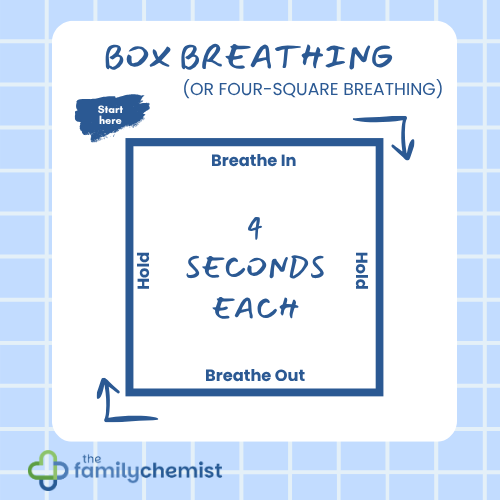
- Try box breathing.
Preventing Stress in the Long Term
Managing stress isn’t just about reacting to it, preventing stress is also key. Easy changes in routines can create a better work-life balance, factors in regular self-care, and ensures that healthy eating, sleep, and exercise are prioritised. Taking time away and ensuring that our mental wellbeing is healthy can make us more resilient to acute stressors.
When to Seek Professional Support
You should consider seeking professional help if:
- Stress is affecting your sleep or work
- You experience panic or persistent anxiety
- Symptoms last for several weeks or longer
Support is available through your GP, as well as organisations such as Mind and the NHS.
Conclusion
Stress is a normal part of life, but it shouldn’t feel overwhelming or unmanageable. It can be easy to let stress take over our lives, but it shouldn’t be this way. Recognising the early signs of stress can help prevent it from developing into more serious health concerns.
By making small changes, developing healthy coping strategies, and reaching out for support when needed, it’s possible to manage stress effectively and improve your overall wellbeing. This Stress Awareness Month, lets get talking and take back control.