





Understanding Seasonal Hair Loss: Why You Might Be Shedding More This Autumn
As the leaves turn brown and the temperatures begin to drop, many of us start to notice another seasonal trend; more hair in the shower drain. It this sounds like something you’ve noticed, fear not; seasonal hair loss is a common trend during the autumnal months. While this type of shedding is common, and only temporary, there are ways to manage the loss effectively and prevent that chilly winter wind hitting the scalp.
What Is Seasonal Hair Loss?
Seasonal hair loss refers to the temporary increase in hair shedding that typically occurs during certain times of the year, most often in late summer heading into autumn. While we naturally lose between 50 to 100 hairs a day, during seasonal shedding, this number can increase significantly.
Seasonal hair loss is generally linked to the hair growth cycle:
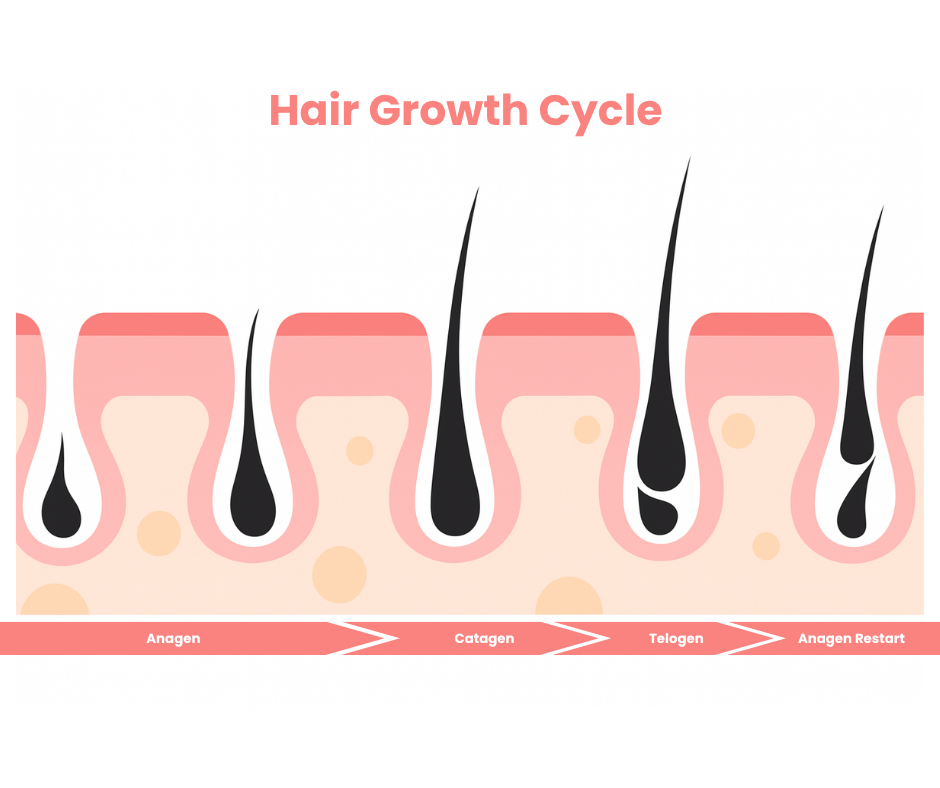
During the telogen phrase (the resting/shedding phase), hairs are released to fall out to make room for new growth. Studies have found a pattern that shows more hairs enter the telogen phase during the summer, leading to noticeable shedding in the months that follow, during the autumnal chill.
Why Does It Happen?
Unfortunately, the exact cause of seasonal hair loss isn’t fully understood. But there are several factors which may contribute:
Sun exposure: Increased UV exposure during the summer can cause damage to hair follicles, leading to more hairs entering the shedding phase.
Hormonal shifts: Just like animals shed to adapt to seasonal changes, humans may experience subtle hormonal changes in response to shifts in daylight, which can affect the hair cycle.
Nutrient levels: A change in diet as we move away from fresh, summer foods might impact nutrient intake, which in turn affects hair health.
Is It Permanent?
The good news is that seasonal hair loss is usually temporary. Most people will see their hair return to its normal thickness within a few months. However, if shedding continues or becomes more severe, it might be a sign of an underlying issue, such as androgenetic alopecia (male pattern baldness), stress-related telogen effluvium, or a nutritional deficiency.
What Can You Do About It?
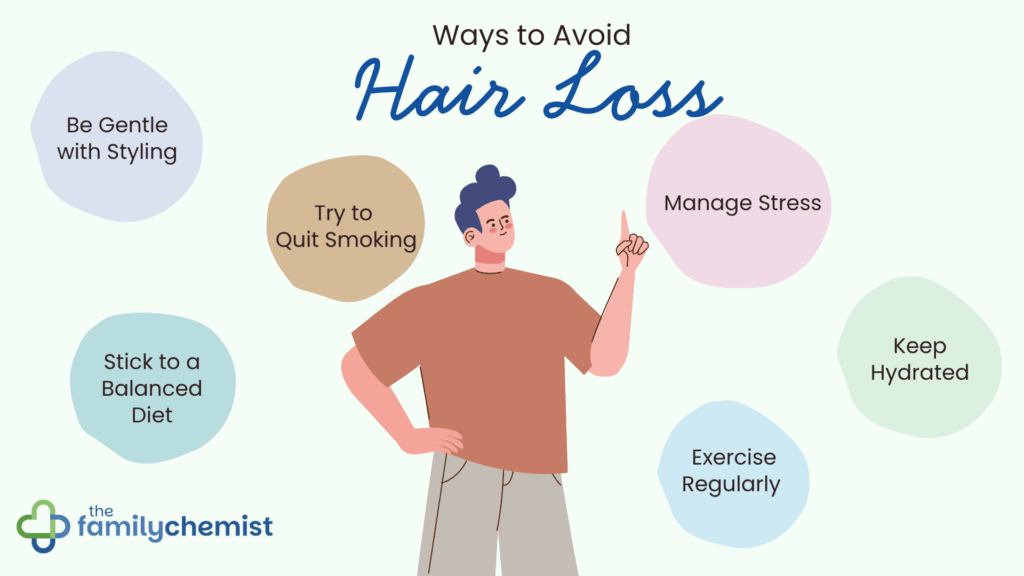
If you’re noticing more shedding than usual this season, here are a few steps to help support hair health:
Support Is Just a Click Away
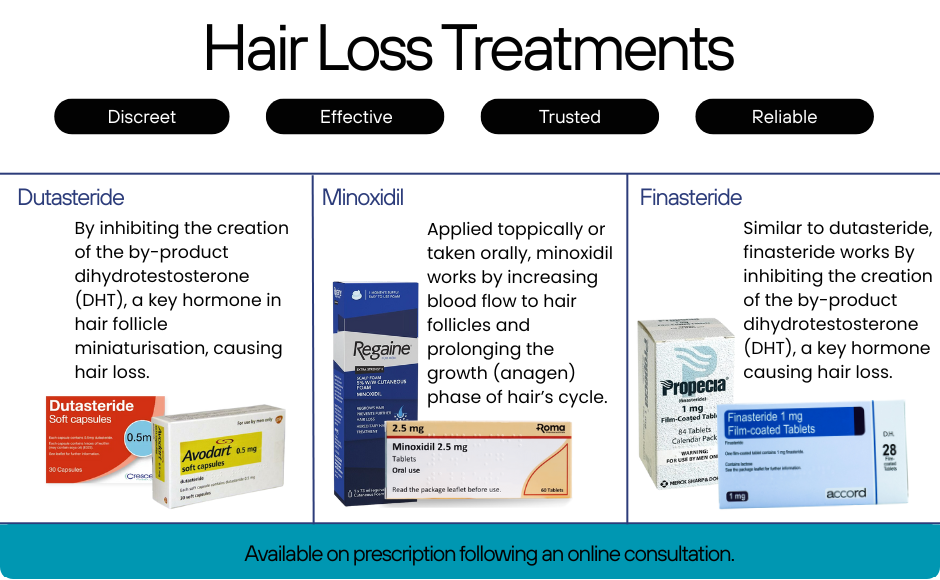
At The Family Chemist, we understand how concerning hair loss can be. Especially when it seems to come out of nowhere. Whether you’re dealing with seasonal shedding or a more persistent form of hair loss, we’re to offer a range of trusted, effective hair loss treatments.
When to Seek Help
If your hair loss is sudden, patchy, or accompanied by other symptoms like itching, pain, or changes to your scalp, it’s best to speak with a healthcare professional.
The Bottom Line
While seasonal hair loss can be an unwelcome surprise, it’s often just a natural part of your hair’s life cycle. With the right care, and the right treatments, you can support your scalp and maintain thicker, healthier hair throughout the colder months.