





Home » Shop » Pharmacy Shop » Self Testing » Thermometer Probe Covers (Pack of 20)
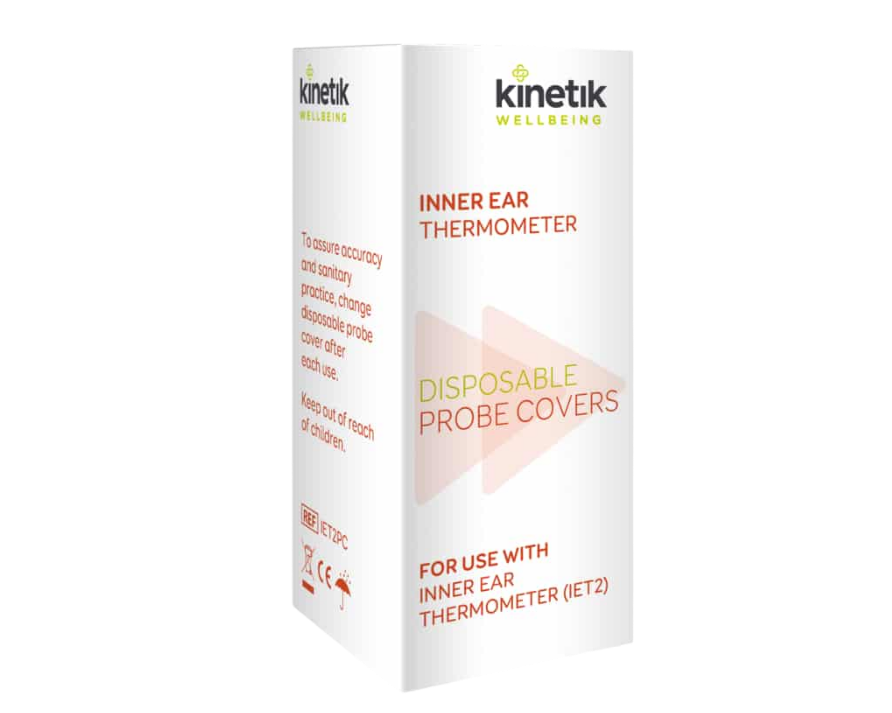
Thermometer Probe Covers (Pack of 20)
To ensure each inner ear temperature reading is hygienic and accurate it is essential to replace the probe cover before each use.
Designed for use with our Inner Ear Thermometers (ET100A), these disposable probe covers ensure every reading is clean, safe, and precise.
Why Use Probe Covers?
To maintain accuracy and reduce cross-contamination, a fresh probe cover should be used for each temperature reading. These single-use covers are easy to apply and remove, helping you get quick, reliable results every time.
Thermometer probe covers are designed to replace used covers used with the inner ear digital thermometer. To use:
- Place a new, clean probe cover over the thermometer tip.
- Take the temperature readings as directed on the inner ear thermometer description page, or following the directions in the Patient Information Leaflet.
- Dispose of the used cover after each reading.
Precautions
- Using a probe cover is essential for accurate readings and hygienic use.
- Always ensure the cover is attaches properly before measuring for best results.
- Replacement probe covers are suitable for the inner ear thermometer which can be purchased from our website here.
Storage
- Store below 25ºC.
- Store in a cool, dry place out of direct sunlight and away from moisture.
- Keep out of sight and reach of children.
For more information see the Patient Information Leaflet enclosed.


Join our newsletter
Sign up to enjoy regular updates, exclusive promotions, and special offers, plus 15% off your first order.