





Is Stress to Blame for Rising Erectile Dysfunction?
Although often associated with age, erectile dysfunction is often caused by other physical and psychological factors; and increasingly stress is recognised as a significant factor. With the pressures of modern life, from work deadlines to financial worries, stresses are unavoidable. But how does stress contribute to the rise of ED?
What Is Erectile Dysfunction?
Erectile dysfunction is the difficulty in achieving or maintaining an erection enough for sexual activity. It’s estimated that ED affects up to half of men over 40 to some degree at some point in their lives. The causes of ED are often linked to physical health, including conditions such as diabetes, high blood pressure, obesity, and poor circulation. However, mental health factors like stress and anxiety also play a major role, either alongside physical factors, or even as the sole cause for erectile dysfunction.
The Connection Between Stress and ED
Stress’ effect on the body is not limited to psychological, it can affect out bodies in physical ways also. When we feel stresses, our bodies produce more cortisol and adrenaline; the hormones which prepare us for that ‘fight or flight’ response. While this hormonal release is useful in emergency situations, extended tension and prolonged exposure to these hormones can interfere with normal bodily functions. Blood pressure, metabolism, and digestion are all disrupted, and of course; sexual function.
How Stress May Contribute to ED:
Reduced blood flow: Stress tightens blood vessels, making it more challenging for blood to flow to the penis. This is essential for achieving an erection.
Hormonal changes: Chronic stress can disrupt testosterone production, lowering libido and sexual ability.
Mental distraction: Worries and distracted thoughts make it harder to relax, affecting arousal and performance.
Performance anxiety: Anxiety surrounding sexual performance can create a cycle of worry that makes ED worse.
Modern life presents more stressors than ever, from job worries, to high demands balancing work and family life. In a time of financial insecurity and political unrest, it’s understandable why this constant stress could be contributing to the rise of ED, even in younger men.
Signs Stress Might Be Causing Erectile Dysfunction
Finding the root cause of ED is not always easy, especially when it can be caused by more than one source. Yet, there are signs to suggest that your ED may be linked to stress:
- ED started during a particularly stressful period
- You do not suffer from any significant underlying health contributors
- Anxiety about sexual performance
- ED improves when you’re more relaxed
Managing Stress to Support Sexual Health
The good news is that reducing stress can help improve erectile function and sexual performance. Here are some steps that may help:
Exercise regularly: Physical activity helps reduce stress hormones and improve circulation.
Adequate sleep: Poor sleep can raise stress levels and affect hormone balance.
Talk it through: Speaking to a counsellor or even a trusted friend can help with other mental health concerns too.
Mindfulness and relaxation techniques: Breathing exercises, yoga, or meditation can lower stress levels.
If you’re struggling with ED, it’s always a good idea to speak with your healthcare professional to determine a possible cause, and treatment to help with your sexual health.
Treatments for Erectile Dysfunction
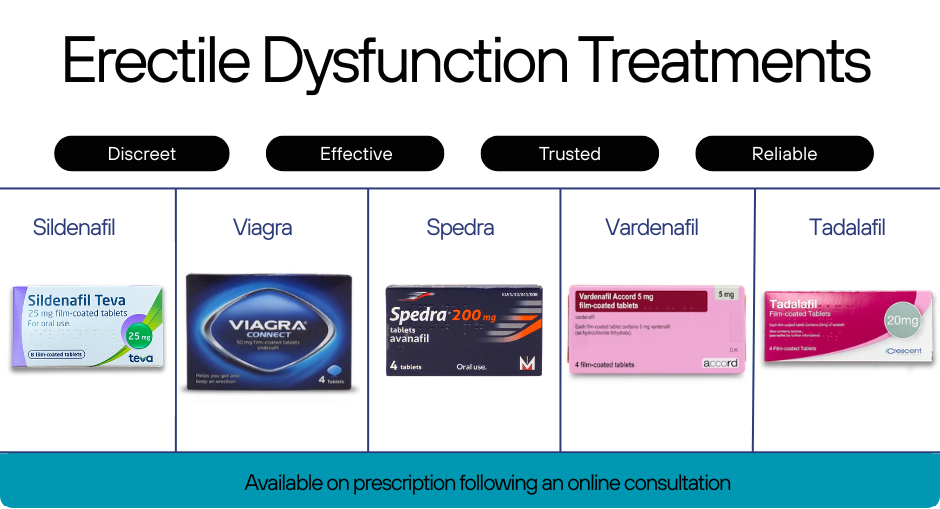
While addressing stress is important, medical treatments can also help. Our pharmacy offers a range of effective, discreet ED treatments. Medications such as sildenafil or tadalafil fall under a group called PDE-5 inhibitors which work by increasing blood flow to the penis. These treatments are available following an online consultation with our clinician.
The Bottom Line
Stress can play a major role in erectile dysfunction, and rising levels in modern life may well be contributing to an increase in cases. The good news? With lifestyle changes, stress management, or medication, ED is highly manageable. If you’re concerned about ED, don’t suffer in silence; speak to a healthcare professional and find the treatment that is right for you.