How to Beat Travel Sickness This Winter
The winter break season is here, and for some of us, the break is a time to enjoy Christmas markets abroad, family visits across the UK, or that escape to a warmer climate for the season. But, for those who suffer from travel sickness, the excitement of the festive season can quickly be overshadowed by nausea, dizziness, and overall ickiness. With
more people travelling during the colder months, there’s no better time to prepare. At The Family Chemist, we have recently launched our new lines of t
ravel sickness treatments to help make your journeys smoother and more enjoyable.
Whether you’re hopping on a plane to escape the winter chill, taking a long car journey to see family and friend, or climbing aboard a boat to enjoy the sights this season, here are some ways to manage motion sickness naturally and, failing those or for added prep, our lines of medicated support.
Why Travel Sickness Happens
Travel sickness (or motion sickness) happens when your brain is getting
mixed signals from your body; specifically, what your eyes see, and your inner ear and body feel. For example, while your body might feel that it is moving in a car, your eyes are looking at a fixed point. This difference makes the brain a little confused, and so causes
those classic symptoms such as nausea, dizziness, and in some cases vomiting.
But don’t worry, there are plenty of ways to reduce or prevent those symptoms all together.
Natural Ways to Ease Travel Sickness
Ginger
A classic, but an effective natural remedy for the symptom of nausea.
Studies have shown that ginger can help to
settle the stomach and reduce the
chances of sickness. Ginger biscuits, ginger tea, or ginger supplements are all easy ways to include this remedy into your travel routine. Especially handy on a cold winter journey.
Fresh Air and Good Ventilation
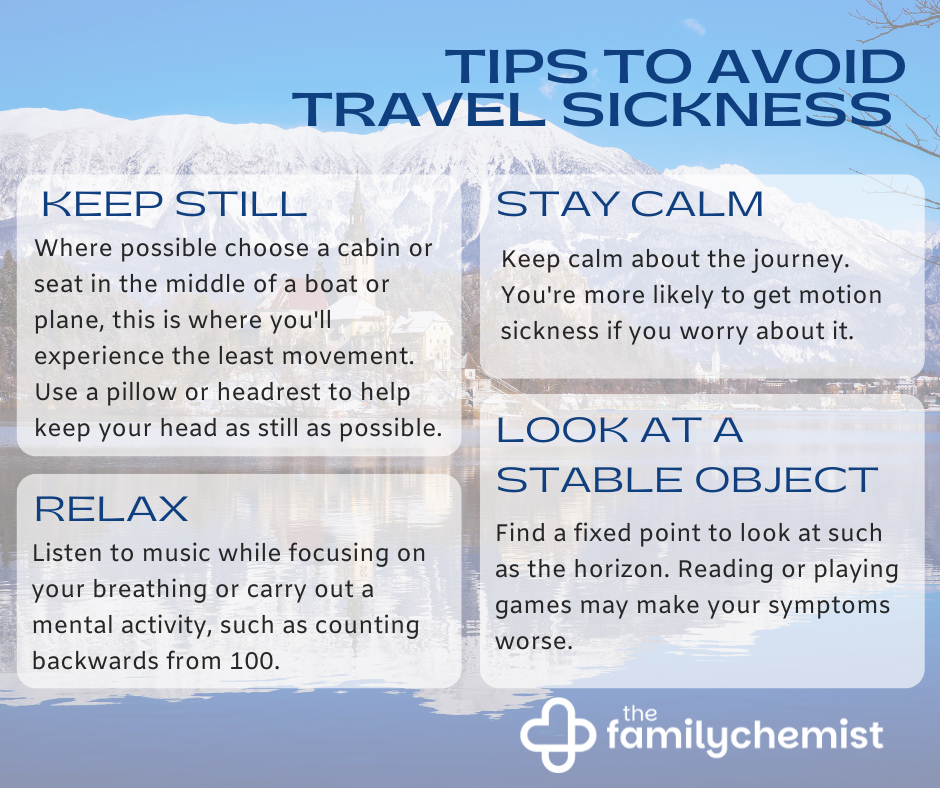
During winter, we’re often tempted to keep windows shut tightly, but fresh air can actually make a big difference. If you’re travelling by car, crack open a window
slightly to improve airflow.
Your Food Choices
Before setting off, try to avoid heavy, greasy, or spicy meals. Instead, opt for light, bland foods such as crackers, bananas, or toast. While it
can be tempting during the festive season to go for those rich treats; your
stomach will disagree when it comes to travelling. Try and save the rich food for when you’ve arrived; your tummy with thank you for it.
Keep Your Eyes on the Horizon
This is the old phrase, but it doesn’t have to be the horizon you focus on. Any
steady, distant point will work just fine. This fixed point helps to
reduce the conflicting signals to your brain. Avoid reading or scrolling on your phone which can make symptoms worse, especially on windy roads.
Acupressure Bands
These non-medicated wristbands apply slight pressure to the wrist and can naturally
help reduce nausea. These are especially popular with those who want to try drug-free support for their motion sickness.
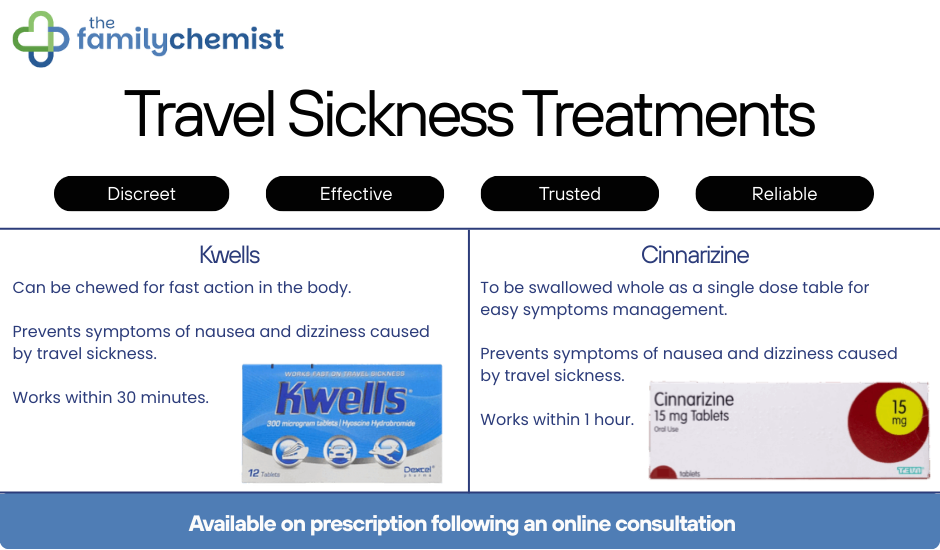
Treatment Options for Extra Support
For added support, it may be worth looking into treatment options designed specifically to reduce the effects of travel sickness and make journeys more comfortable.
The Bottom Line
Winter travel can be unpredictable. From weather delays, busy roads, and packed airports. So planning can help to
reduce stress, and keep symptoms at bay. Pack plain snacks, stay hydrated, and keep your travel sickness remedies close to hand. With the right combination of natural and medicated support, you can enjoy your winter break without worrying about nausea spoiling the fun.
If you’re preparing for festive travel, explore our newly
expanded travel health page and enjoy a smoother, more comfortable journey this holiday season.