





 Our last order date is Tuesday 31st March. For festive opening times,
 How Stress Affects Your Period (And How It Doesn’t)
Most of us recognise stress within our body; from tense shoulders, trouble sleeping, and headaches, the way that stress can affect our regular bodily functions are plentiful and varied. But what many don’t know is how exactly stress can also influence our periods and regular menstrual cycles. Whether you notice your period coming a little earlier or later than usual, or the way you feel changing around your period during a particularly stressful month; you’re not alone. Understanding how our periods can be affected by stress levels can help us manage those changes and recognise when something more needs to be done.
How Stress Can Affect Your Period
Delay Your Period
When you’re stressed, your body produces higher levels of cortisol; the ‘stress hormone’. Cortisol can interfere with hormonal production in the body, and; where periods are concerned, that includes the hormones responsible for ovulation; oestrogen and progesterone. When ovulation is delayed, your period could arrive later than expected. This could mean a delay of only a few days, or it could mean a complete shift in cycle.
Cause Period Irregularity
Chronic, or long-term stress can disrupt the regular rhythm of the menstrual cycle. Causing longer, or shorter cycles, missed periods, or spotting between periods. Prolonged stress such as exam seasons, major life changes, or ongoing work pressure can all contribute to a disruption in the menstrual cycle you may be used to.
A Change in Symptoms
Stress doesn’t just affect when your period arrives, but it can also influence how it hits. Many people they notice that during stressful times their cramps feel sharper, PMS symptoms become more intense, mood swing worsen, and bleeding pattern shift becoming lighter or heavier. This doesn’t happen to everyone, but there is a well-known connection between stress and how we experience pain. During our period, the nervous system is already more sensitive, so any added stress can heighten sensitivity and make that discomfort more intense.
Temporarily Stop Your Period
In severe cases of intense high stress, amenorrhoea can happen. This is a temporary stopping of a period for up to several months. This is usually more likely when stress is paired with other factors such as significant weight loss, excessive exercise, or disrupted sleep. The occasional delay is common, but missing several periods in a row is a sign to visit a GP or other healthcare professional.
How Stress Doesn’t Affect Your Period
Change Your Cycle Long-Term
Stress usually only causes short-term changes in your period. But, once those stress levels have eased, most people’s cycles return to their usual pattern. Stress alone doesn’t permanently lengthen or shorten a menstrual cycle. Any long-term changes are more likely caused by another life shift (such as perimenopause) or an underlying condition.
Prevent Pregnancy
A common myth of stress and periods is that a delayed or missed period means there is no change of pregnancy. While stress can delay ovulation, it doesn’t stop it. If you’re sexually active and your period is late, even if you are feeling stressed, it is always worth taking a pregnancy test rather than assume stress is the only cause.
Causes Infections or Conditions Like Endometriosis
While stress may make symptoms feel worse, it cannot cause endometriosis, PCOS, UTIs or vaginal infections. If symptoms change significantly or become severe, always consult a healthcare professional. Stress may not always be the sole cause.
What You Can Do If Stress Is Affecting Your Period
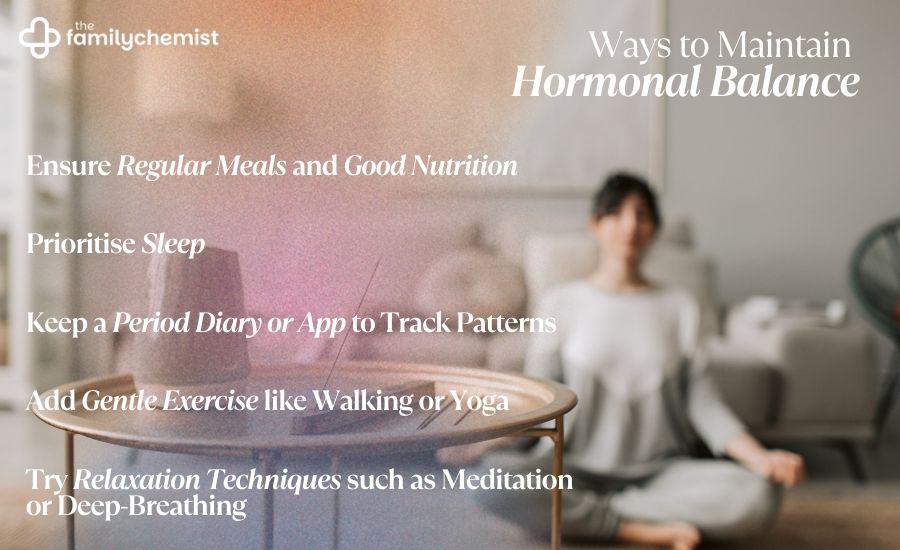
Small lifestyle changes can help support hormonal balance:
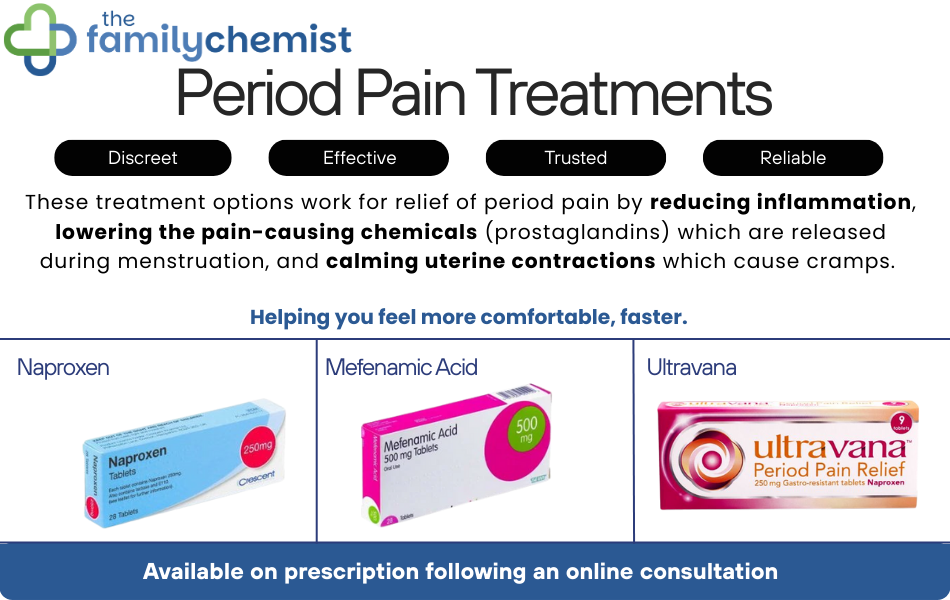
If you’re experiencing painful periods, period pain treatment might be worth considering. Available for short-term use. If your periods become severe, or if there is a drastic shift in your periods, then you should discuss this with a healthcare professional.
The Bottom Line
Stress can disrupt your menstrual cycle in many ways, from delaying your period to intensifying symptoms. But these disruptions are usually temporary. Once stress levels settle, your cycle should too. If your period becomes consistently irregular, or if several cycles are missed, it’s always worth checking in with a professional. Listen to your body, and if something doesn’t seem right, seek support.