






It’s National Nutrition and Hydration Week, and what a perfect time to shine a spotlight on a topic that is quickly gaining interest in the world of health: gut health. Over the past years research into our gut health has highlighted how important our gut is when it comes to digestion, immunity, inflammation and the development of chronic non-communicable diseases such as diabetes, cardiovascular disease, some cancers, and more.
Despite this importance, many people are still unaware of what ‘gut health’ really means and what they can do to improve it.
What Is the Gut Microbiome?
When we talk about gut health, we’re usually speaking about the microbiome. But let’s break down what these terms truly mean and what they are referring to:
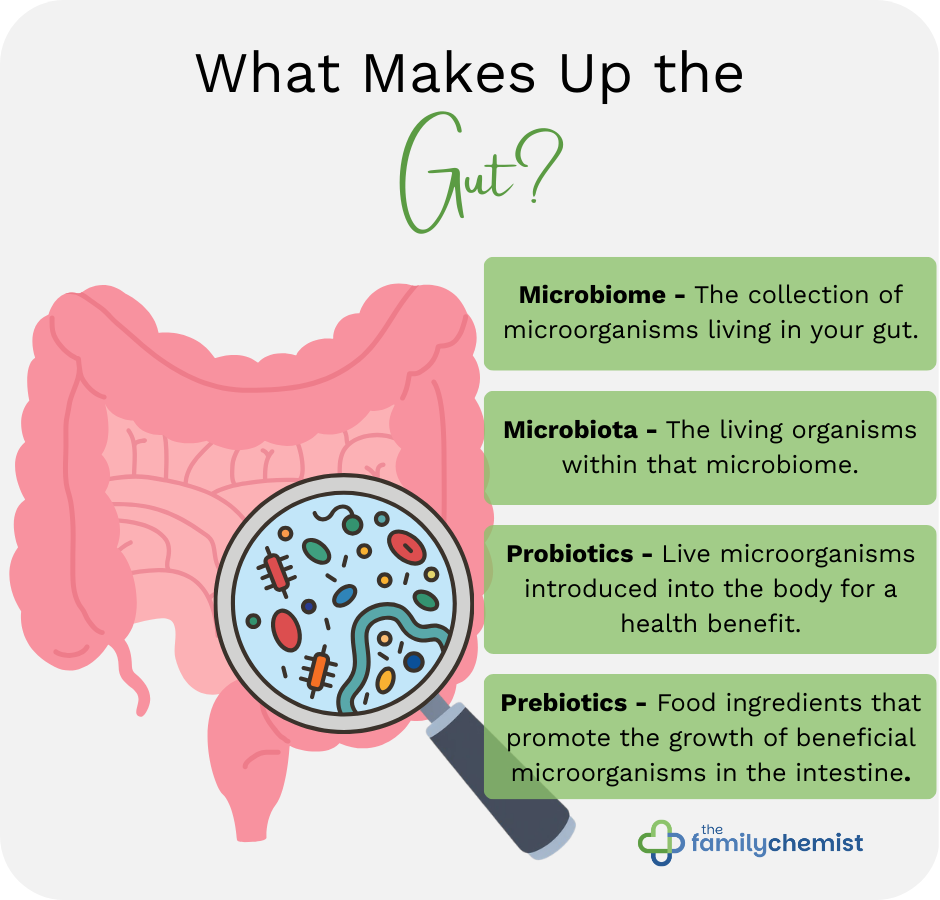
Think of your gut as an ecosystem. When it’s balanced and diverse, it thrives. Supporting digestion, immune function, nutrient absorption, and can even affect your mood. It may seem like all bacteria is bad bacteria, but this is not the case. Gut health is a balance of bacteria which helps to:
- Break down foods
- Aid the absorption of essential nutrients
- Protect the body from harmful bacterial infections
- Stimulate the production of neurotransmitters which affect the chemicals in the brain
- Help to regulate certain hormones which affect metabolism
When something disrupts your gut balance, this is known as dysbiosis and can cause low-grade inflammation and increase the risk of those non-communicable diseases.
Why Gut Health Matter Now More Than Ever
Research over the past years had shown that gut health is linked to many areas of health. Poor gut health is linked to:
- Chronic inflammation
- Increased risk of metabolic conditions
- Reduced immune resilience
- Digestive discomfort
Our diets play a core role in how our microbiome. What we eat directly influences which bacteria thrives in the gut, and which might struggle to survive.
How to Improve Gut Health Naturally
The good news is that gut health is an area of heath we can do plenty to support naturally.
Prioritise Fibre
Fibre is one of the most important nutrients for gut health. It feeds the good bacteria and encourages diversity in your microbiota.
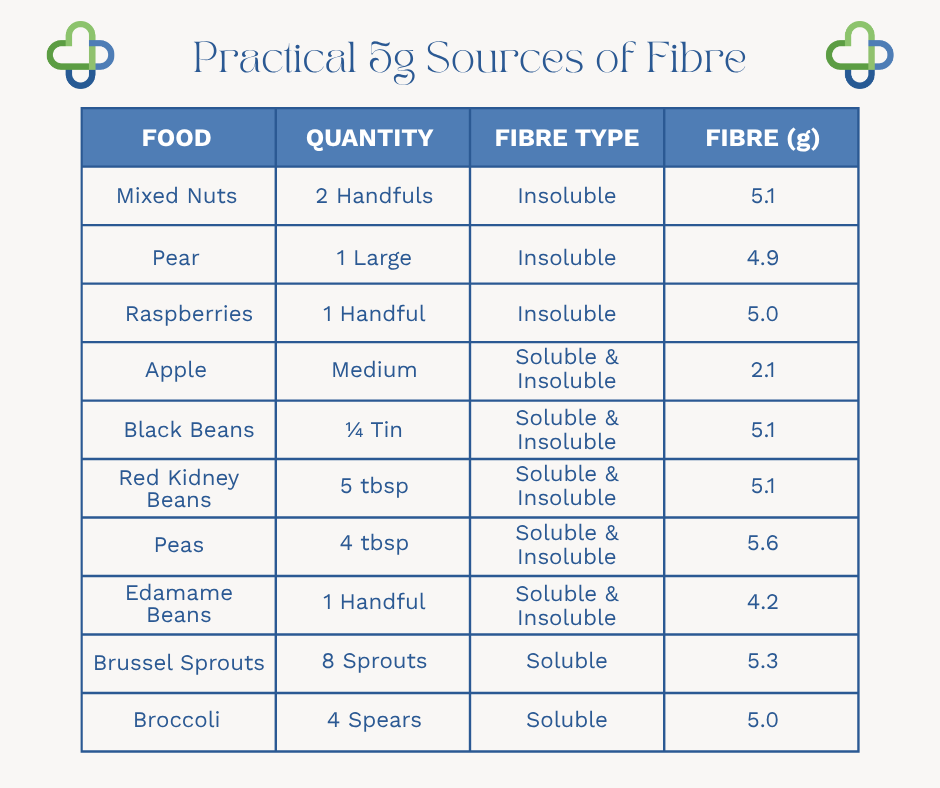
Most adults in the UK are not meeting their daily fibre target, yet this simple improvement can drastically improve gut health.
Include Prebiotic Foods (The ‘Stinky’ Ones)
Prebiotics are the fuel for good bacteria. Many of the best sources are those strong-smelling vegetables such as onions, garlic, leeks, and asparagus. These foods help the beneficial bacteria grow and multiply in the intestine.
Fermented Foods for Natural Probiotics
Fermented foods contain live microorganisms that can help support gut balance. Foods such as live yoghurt, kefir, sauerkraut, kimchi, and kombucha are all examples of foods and drink which are fantastic at introducing healthy microorganisms into the microbiome. The key is consistency, regularly eating and drinking fermented foods are more beneficial than occasional intake.
Be Mindful of Inflammatory Diet Patterns
Certain diets or dietary patterns can negatively impact gut health and increase inflammation.
Foods and diets which can increase inflammation include:
- Diets high in certain saturated fats
- High intake of free sugars
- Some ultra-processed foods (UPFs)
- Excessive artificial sweeter intake
Chronic low-grade inflammation, occasionally caused by unhealthy gut imbalances can damage blood vessels and lead to cardiovascular problems later in life. A simple change in diet can help to reduce this risk by improving gut health.
Choose Probiotic Supplements Wisely
Not all probiotics are created equal. Different probiotics contain different strains of bacteria, and each strain has its own unique benefits. If you’re thinking about adding probiotics into your routine, look for options which are research-backed and fit your health goals.
Survivability matters just as much as strain selection, as probiotics need to survive the gut for you to benefit. Many probiotic bacteria can be destroyed by stomach acid before they ever reach the gut. To improve their chances of survival, go for supplements with a gastro-resistant coating which are designed to protect the bacteria as they pass through the digestive system.
Mainly, give it time. Probiotics don’t usually show overnight results. Allow at least four to eight weeks before you judge their impact. Supporting your gut health is a long-term investment, and consistency is key to see meaningful benefits.
Eat What Works for You
Gut health is individual. If you have allergies, intolerances, or medical conditions, don’t force yourself to eat foods that trigger icky symptoms just because they’re labelled as ‘healthy’. A personalised approach is essential and what works for one person might not work for the next. There is no universal gut health plan, so get creative and try new options.
Ready to Improve Your Gut Health?
This National Nutrition Week is the perfect opportunity to take control of your health from the inside out. While general advice is a helpful starting block, tailored support can help with more meaningful results.
With The Family Chemist we offer 1-2-1 nutritional coaching sessions to help you find a plan that works for you and create a manageable routine that fits around your life.

The Bottom Line
Gut health isn’t a trend, its core in your overall wellbeing. Supporting healthy digestion, immunity, and reducing inflammation, your gut plays a central role. The good news is that you can make a meaningful difference. But eating more fibre, including prebiotics and fermented foods, and limiting highly processed foods, can all support a healthier, more balances microbiome. Small changes, if consistent can make a huge difference.
This National Nutrition and Hydration Week, think of gut health as an investment and in time, your body will thank you for it.