





 Our last order date is Tuesday 31st March. For festive opening times,
 Do I Have Cystitis, Bacterial Vaginosis (BV) or Thrush?
Any vaginal or urinary symptoms can be uncomfortable. When conditions such as bacterial vaginosis (BV), thrush, and cystitis share overlapping symptoms it can get confusing to know what is going on. Especially when they can all have different causes, and different treatments. Making sure you know the difference between the three conditions can help you seek the correct treatment, avoid any unnecessary medication, and keep you in the know to avoid it returning.
What is bacterial vaginosis (BV)?
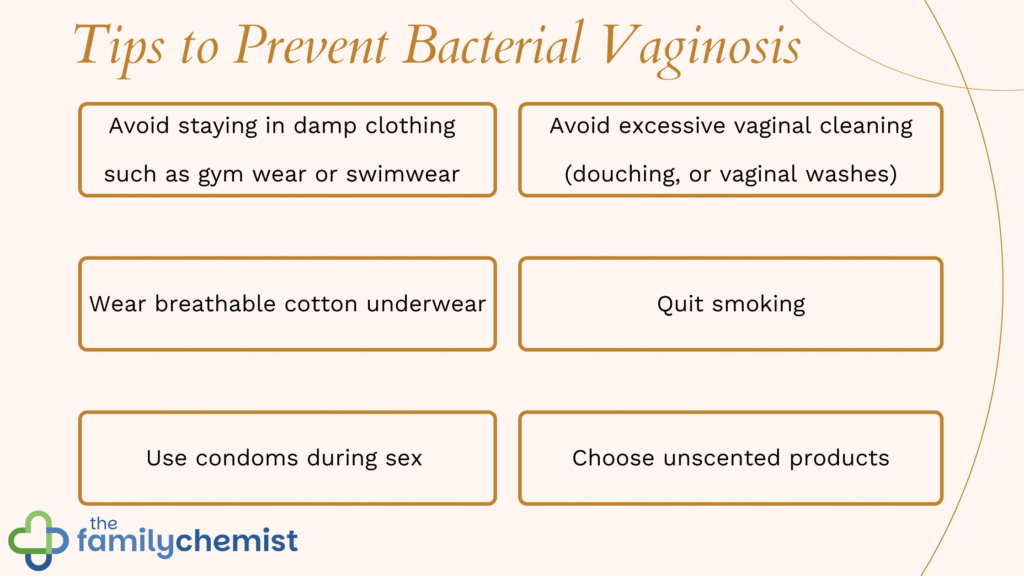
Bacterial Vaginosis (BV) is one of the most common vaginal infections. Occurring when the balance of ‘good’ and ‘bad’ bacteria in the vagina is disrupted, allowing certain bacteria to multiply. The vagina has a certain pH level, which, when disturbed can cause symptoms.
Common symptoms of BV:
- Thin, grey or white vaginal discharge
- A strong odour (described as fishy)
- Mild irritation (though many people may not get any discomfort at all)
Without treatment, BV may not resolve on its own, and can increase the risk of other infections, making it key to seek treatment earlier rather than later.
What is thrush?
Vaginal thrush is a fungal infection, caused by Candida, a yeast that naturally lives in the body and is usually harmless. When this yeast grows out of control and in the wrong places, this can cause problems.
Common symptoms of thrush in women:
- Thick, white, cottage-cheese-looking discharge
- Intense itching around the vagina
- Redness, swelling or soreness
- Pain during sex or stinging when urinating
Thrush can be triggered from a variety of factors such as antibiotics, pregnancy, hormonal changes, stress, diabetes, or wearing tight or non-breathable clothing. These factors can mean that when seeking treatment, you may be asked to have a conversation with your GP. This is to ensure that your thrush is not an underlying symptom of something more.
What is cystitis?
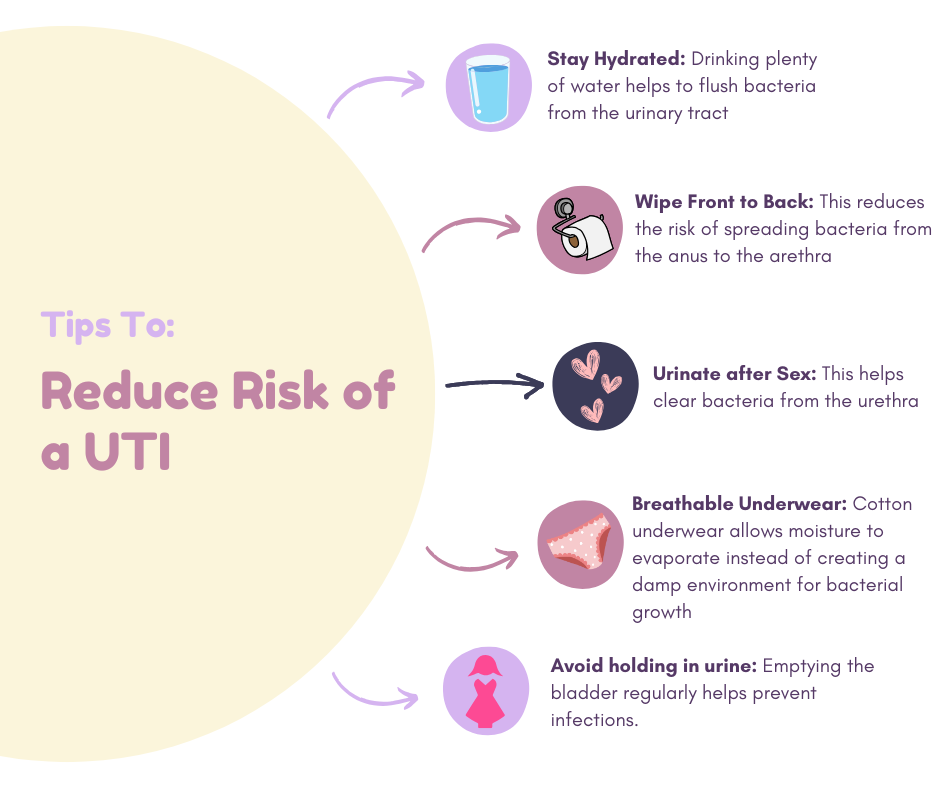
Cystitis is a type of urinary tract infection (UTI) that affects the bladder rather than the vagina. Cystitis does not cause any vaginal discharge or itching, but the irritation that it causes can often be confused with another vaginal condition.
Common symptoms of cystitis:
- A burning sensation when passing urine
- Needing to urinate frequently and urgently
- Lower abdominal pain or pressure
- Cloudy, strong-smelling or dark urine
Cystitis is usually caused by bacteria entering the urinary tract and can require antibiotic treatment.
How to tell the difference between BV and thrush?
Although BV, thrush, and cystitis can all cause discomfort in a similar area of the body, the type of symptoms you experience and exactly where they occur are usually different. Comparing them side by side can make it easier to identify which condition is happening.
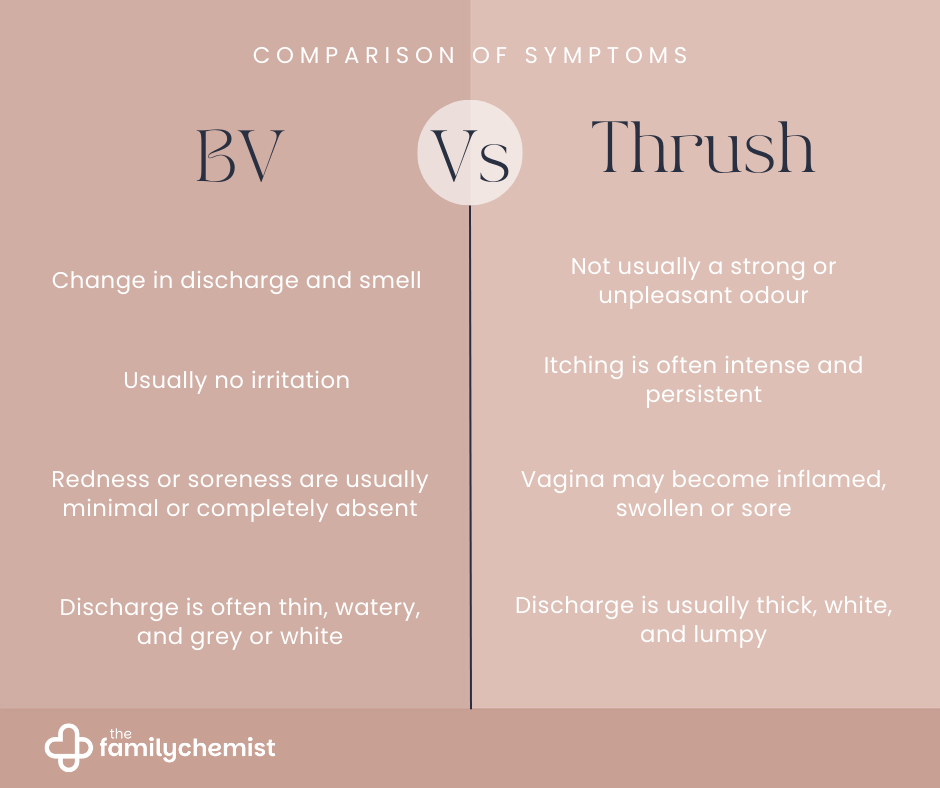
With cystitis, symptoms affect the urinary tract rather than the vagina. There is no usual discharge, or irritation. Instead, symptoms affect how urgently or frequently the body needs to pass urine, or any pain or discomfort in the lower stomach area.
To make it simple, smell and watery discharge point towards BV, itching and soreness suggest thrush, and pain or burning when weeing is likely cystitis.
How are cystitis, BV and thrush treated?
Each condition requires a specific treatment due to a difference in what has caused it.
- Thrush is treated with antifungal medication such as creams, pessaries, or an oral capsule.
- Cystitis is typically treated through either self-care such as drinking plenty of water, and painkillers, or using a short course of antibiotics. Cystitis treatment can be found using the NHS Pharmacy First service available through The Family Chemist.
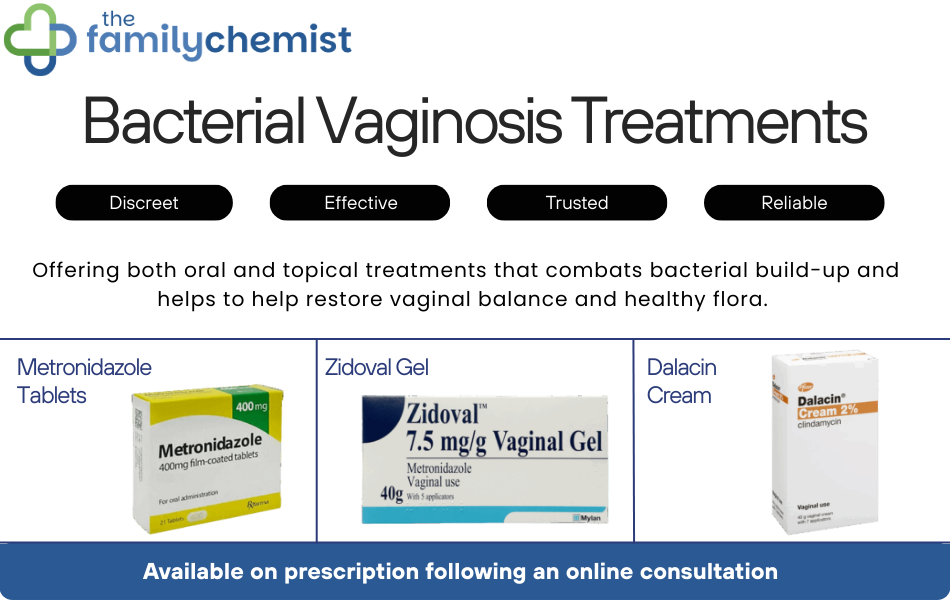
- BV is usually treated with either oral or topical antibiotics. Both are available through The Family Chemist bacterial vaginosis treatment page.
Can you have BV and thrush at the same time?
Yes. It is possible to have both bacterial vaginosis and thrush at the same time, although this is not very common. When this happens, symptoms can overlap, making it even harder to identify the cause. Your doctor or clinician will review your symptoms and if they aren’t quite sure they can request a swab test. If you do have both, then treatment will ensure that it is treating for both conditions, leaving no symptom behind.
The Bottom Line
BV, thrush, and cystitis are all very common conditions, and usually no cause for concern. They are all caused by different factors and require different treatments. While symptoms can sometimes overlap, paying attention to key differences such as discharge, itching, smell, and location of irritation can help identify the condition.
If you are unsure which condition is causing your symptoms, or if your symptoms are not improving, ask your doctor or clinician. With The Family Chemist, we’ll ask you what symptoms you are experiencing to ensure that the correct treatment is sent the first time, reducing any unnecessary treatment or delays.