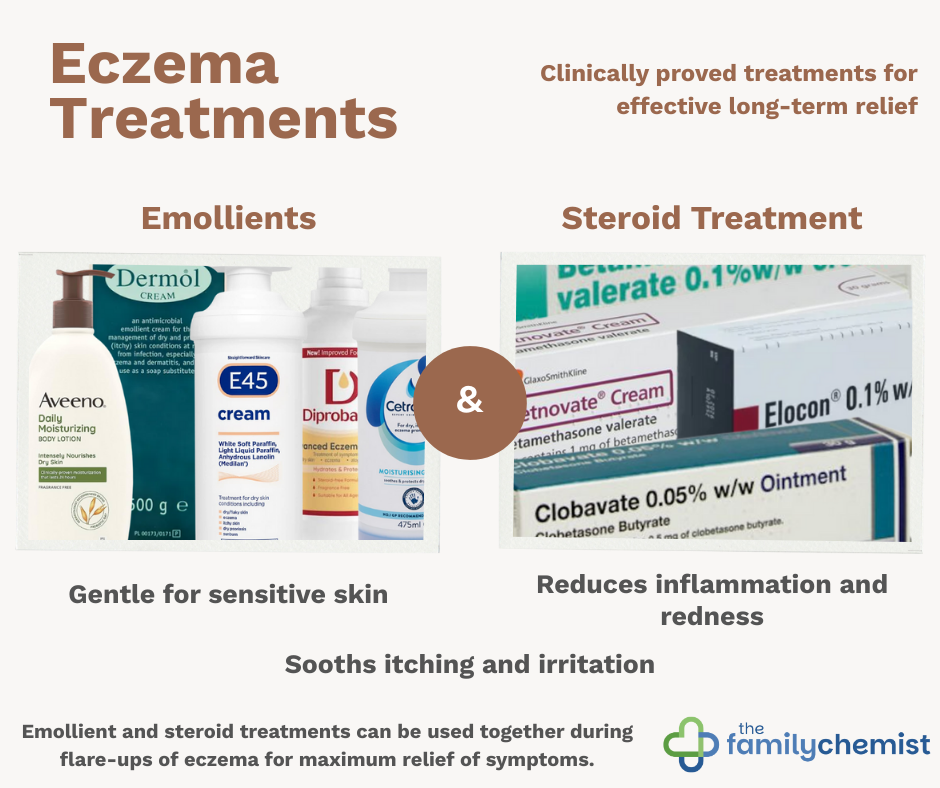





Busting Common Myths About Eczema
Eczema, also known as atopic dermatitis, affects millions of people worldwide. Yet, despite how common it is, eczema is surrounded by misinformation and false facts. While some of these myths are harmless, many can lead to misplaced guilt, damaging treatments, and unnecessary frustration for those just trying to manage their skin.
Eczema can be challenging enough to manage, without the confusing maze of conflicting information. Let’s set the record straight by busting some of those most common eczema myths.
1: Eczema is Contagious
False. Eczema cannot be caught or ‘picked up’ from another person. It doesn’t spread via contact with another person, and there is no damage in being close to someone who is suffering from eczema. Even if their flare-up is quite severe. This myth creates a stigma around the condition leading to people with eczema feeling uncomfortable in social situations, especially for children.
In fact, eczema develops due to a combination of genetics, overactive immune system, and environmental triggers. Nothing to do with contact with other people.
2: Eczema is Just Dry Skin
False. Dry skin is one of the main symptoms of eczema, is it not everything. Limiting eczema to just dry skin undermines the other symptoms and the severity of symptoms that eczema causes.
In truth, eczema is more than just dryness. It’s a weakened skin barrier causing redness, itching, at-times oozing, thickened skin, and flare-ups which can be painful.
3: Only Children Get Eczema
False. Eczema often starts in childhood, but this is not always the case. And, while some children may grow out of their eczema, many don’t. It’s important to help with eczema symptoms no matter the stage in life. Minimizing discomfort and ensuring skin is moisturised and treated.
In fact, it is common for adults to develop eczema for the first time, or to continue to have it well into adulthood. Adult eczema is just as important as childhood eczema and shouldn’t be downplayed just because of age. Establishing an effective treatment plan and skincare routine when eczema first appears can be beneficial for future flare-ups, no matter when they happen.
4: Poor Hygiene Causes Eczema
False. Eczema is not caused by being dirty. This myth is often linked to over-washing or using harsh soaps which can make eczema worse. Stripping the skin of its natural oils and further damaging the skin barrier.
In truth, gentle cleansing in lukewarm water and using fragrance-free soaps are usually better for eczema-prone skin. Some people find it beneficial to use emollient based products as a cleaner, such as Hydromol or E45 offer specific options for shower and bath time. Locking in that all-important moisture.
5: Steroid Creams are Always Dangerous
False. Topical steroid creams are often misunderstood. Problems arise when using steroid creams due to misuse. Using steroids for very long periods, or in areas which might be more sensitive (face, neck, or genitals). This fear of steroids can often prevent people from seeking the relief they need.
In truth, when used correctly and under medical guidance, steroid use is safe and highly effective for reducing inflammation and irritation during eczema flare-ups.
6: There’s One ‘Correct’ Way to Treat Eczema
False. Eczema is not a one-size-fits-all condition. And continuing with a treatment which is not providing any relief or limiting someone else’s triggers will not necessarily help your own symptoms.
In fact, what works for one person can be completely different for the next. Effective eczema management is an individual combination of:
- Moisturizing regularly
- Using prescribed treatments when needed
- Managing stress and sleep
- Avoiding individual triggers
Eczema is about long-term management, not quick fixes.
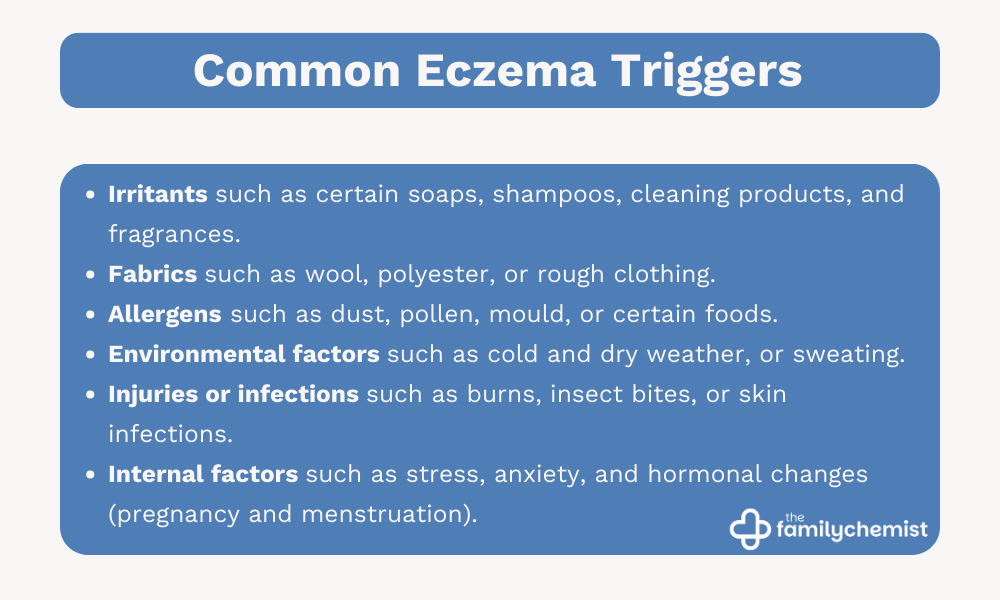
7: Eczema is Just a Cosmetic Issue
False. Eczema can significantly affect sleep, mental health, confidence, and quality of life. Reducing the condition to simply a cosmetic issue is damaging and prevents people from seeking the treatment then need.
In truth, chronic itching, visible flare-ups, painful broken skin, and recurring irritation can lead to anxiety, depression, and social withdrawal. Taking eczema seriously isn’t about vanity, it’s about healthcare.
The Bottom Line
Eczema is complex. Varying from person to person, and from one flare-up to the next. Understanding the truth behind the myths and misinformation can help reduce the stigma that surrounds it. Empowering people who are suffering to find effective treatments and daily self-care which works.
If you or someone you know is suffering from eczema it’s important to remember that it’s not contagious, you’re not alone, and management for symptoms is available.