





Benefits of Sleep
It’s World Sleep Day, and what a fantastic opportunity to remember how important sleep is for our health; supporting brain function, heart health, hormone balance, immunity, and emotional wellbeing. Adults typically need between seven to nine hours of sleep per night, and yet many people fall short. Poor quality sleep, either through disrupted, or shortened sleep patterns can be linked to health conditions such as stress, low mood, reduced immunity, weight gain, and long-term health conditions.
High quality sleep is not a luxury, it’s a necessity. Sleep allows your mind and body to repair, reset, and regulate itself. Without enough rest, essential health systems can’t function as well as they should, and we begin to feel the impact. So, this World Sleep Day, reflect upon your sleep habits and discover the health benefits of sleep.
Why Sleep is Important
Sleep affects nearly every system in the body. When you sleep, your brain processes the information it has collected from the day, your heart rate and blood pressure stabilise, your hormone levels rebalance, and your immune system strengthens.
When we deprive ourselves of sleep long term, this can increase the risk of obesity, cardiovascular disease, type 2 diabetes, and mental health difficulties. It can affect areas of health and wellbeing we might not even realise, from libido and skin clarity, to energy levels, issues which are often overlooked as an effect of poor sleep.
Health Benefits of Sleep
Brain Health
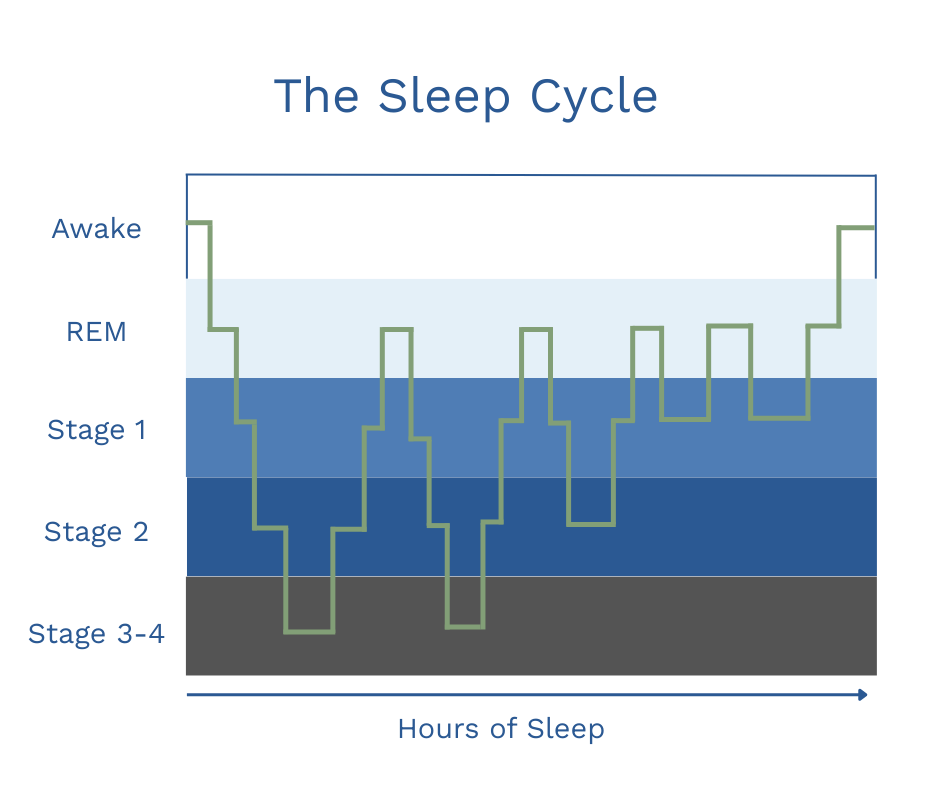
Our cognitive function relies heavily on our sleep. During deep sleep (known as REM sleep), the brain gathers and organised all of the memories from the day, processing new information and clearing all of the waste that it has stored during the day. A mass ‘sort-out’.
Without this ‘sort-out’ during sleep, we can struggle with concentration, have difficulty with decision-making, and affect our emotional regulation. Leaving us feeling irritable, sluggish, and anxious. Long-term this lack of proper sleep can increase the risk of conditions such as dementia.
Heart Health
When we sleep, our blood vessels relax, stabilising our blood pressure and our heart rate slows. Putting less strain on the cardiovascular system and letting it recover from a day of work. This is an essential recovery for our cardiovascular system to take it easy for a while, allowing it to work properly when we wake again.
Lack of proper sleep has been linked to increased blood pressure and higher risk of heart disease. Making sure you get enough high-quality sleep can be a simple yet mighty step in protecting your heart health.
Hormone Regulation
Sleep directly influences our hormone production and balance. Disrupted sleep can interfere with the hormones that regulate appetite, stress, growth, and our sexual health.
For example, poor sleep can increase ghrelin (the hunger hormone) and decrease leptin (the hormone that signals when we are full), making it harder to manage weight. Poor hormone regulation can also affect testosterone levels which are an essential player in men’s sexual health.
People who might be experiencing symptoms which are related to a hormonal imbalance such as low energy, reduced libido, or menopausal symptoms, should look to their sleep pattern for a simple, and easy improvement.
Physical Health
During sleep, our bodies get to work on our repairs. Muscle tissue is rebuilt, cells regenerate, and inflammation reduces. Athletic recovery, injury healing, and resilience to day-to-day physical activity all depends on healthy rest. Poor sleep can cause slower recovery times, and increased likeliness to suffer aches and pains.
Stress Management
When the body is stressed it releases a hormone called cortisol. While cortisol can be handy when it comes immediate energy; increasing blood glucose and raising blood pressure, long term this cortisol can cause high blood pressure, bone weakness, and weight gain.
Cortisol naturally follows a daily rhythm and is usually highest in the morning when we wake up, helping us feel alert in the morning (even if sometimes it doesn’t feel like it). Throughout the day these cortisol levels decline, and by nighttime they are at their lowest ready to settle into a restful night. During the night these levels stay low, giving the body chance to recover from the day’s stressors. But, without this respite, cortisol levels remain high, and overtime daily stressors become chronic and harder to manage.
Improved Immune System
Your immune system relies heavily upon sleep to work effectively. During sleep, the body produces proteins called cytokines which help us fight infections and inflammation. If your sleep is not high quality, then this can weaken your immune system response, making you more prone to colds, flu, and other infections.
Disease Prevention
Maintaining a healthy sleep routine can help reduce the risk of many long-term health conditions. Research links poor sleep to increased risk of:
- Type 2 Diabetes
- Obesity
- Cardiovascular Disease
- Depression and Anxiety Disorders
Sleep also supports metabolic function, helping the body regulate blood sugar which can help with weight control and maintenance. So, prioritising sleep, is a great preventative health measure, not just a comfortable relaxation.
Skin Health
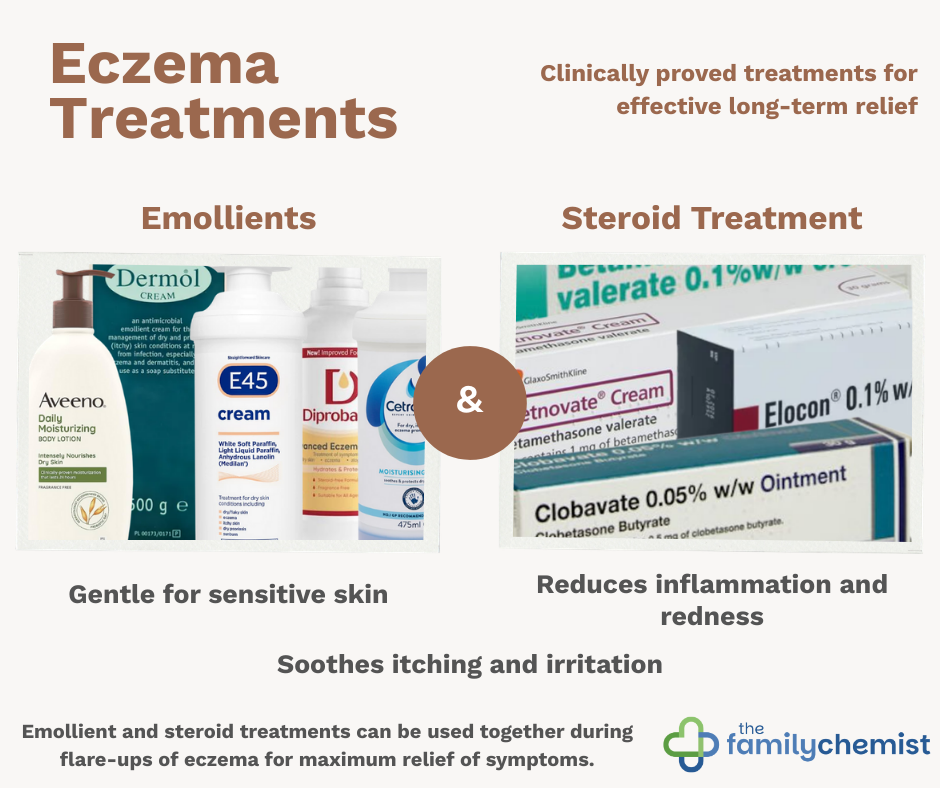
Sleep doesn’t just get the nickname ‘beauty sleep’ for no reason. Quality sleep support collagen production, skin repair, and reduced inflammation. While we already know that this can help with skin healing when it comes to conditions such as acne and eczema, sleep can also help to brighten the appearance of skin, reduce dark circles, and improves the skin barrier helping to maintain moisture and protect against damage.
For managing chronic skin conditions such as acne or eczema, adequate sleep could help support better skin healing and reduced inflammation. For more targeted treatment for conditions acne and eczema; we offer consultations with qualified clinicians and can provide effective treatment to complement lifestyle changes.
Maintaining a Healthy Weight
Sleep and weight are closely connected. As mentioned before, poor sleep can disrupt appetite hormones, increasing cravings for high-calorie and high-sugar foods. Tiredness can also reduce the motivation to exercise and to maintain healthy food habits.
Over time, consistent poor sleep may contribute to weight gain and make it difficult to lose weight.
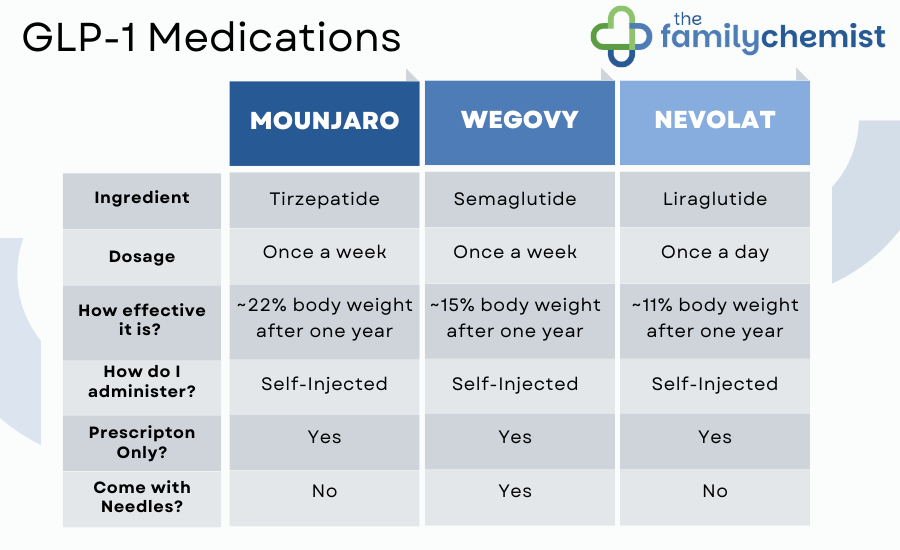
For those who have struggled with weight loss and maintaining a healthy weight with lifestyle changes alone, clinically trusted weight loss treatments such as GLP-1 injections may provide additional support.
Mental Wellbeing
Sleep and mental health are deeply intertwined. Ongoing poor sleep increases anxiety, low mood, and makes it hard to regulate our emotions. The difficulty is stress and worry can often make it harder to fall asleep, creating a vicious cycle that can be hard to break.
The key is prioritising a healthy sleep routine:
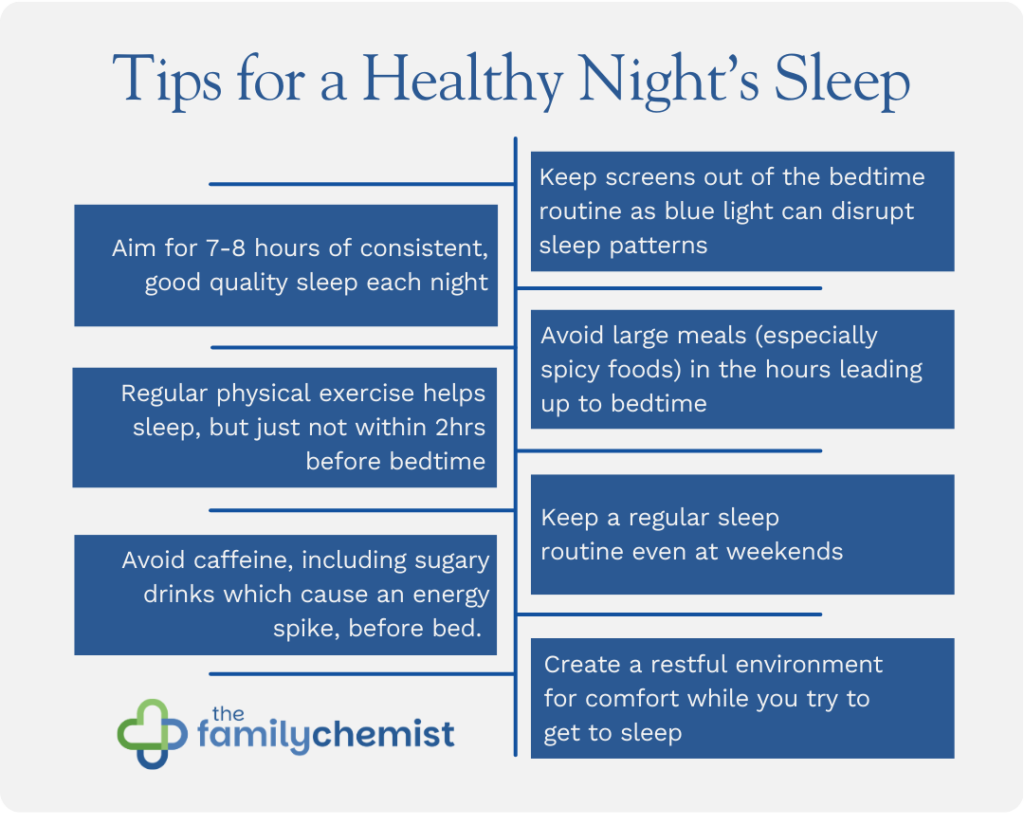
Maintaining a healthy routine can significantly improve mental wellbeing. Some persistent sleep difficulties may be caused by an underlying condition which would need discussing with a health professional, but lifestyle changes such as regular bedtimes, and reducing screen time can help to aid the severity of symptoms.
It’s Not all About How Long You Sleep
When it comes to trying to maintain a healthy sleep routine it’s not all about the seven to nine hours. This is a good starting point, and it is important. But what matters is how well you sleep, not just how long you stay in bed for. If your sleep is often interrupted, too light, or restless, your body may not reach the deeper stages of sleep where essential repair and regulation take place. Even a full eight hours can leave you feeling tired if the quality is poor.
High-quality sleep means moving smoothly through the sleep cycle so your body can properly repair muscles, regulate hormones, process memories, and strengthen your immunity. If you regularly wake feeling unrefreshed, it may be a sign that improving sleep quality, not just sleep duration, should be the focus.
The Bottom Line
The health benefits of sleep extend far beyond feeling refreshed in the morning and relaxed at night. From heart health and brain function to weight management, immune defence, and hormone regulation, sleep is vital for wellbeing.
This World Sleep Day, consider investing in your sleep for long-term wellbeing. By adopting a sleep routine, you can take control of your health. And if ongoing health concerns are affecting your confidence and comfort, seek professional advice. With The Family Chemist, we can help with areas of health such as weight management, hormonal concerns linked to menopause or men’s sexual health, skin conditions such as acne or eczema, among many other areas of health and wellbeing.
Prioritise your rest. Your body and mind with thank you for it.