Erectile Dysfunction
Erectile dysfunction is the inability to get and keep an erection firm enough for sex. We understand that ongoing erectile dysfunction can cause stress, affect your self-confidence and contribute to relationship problems. Let us help you bring your confidence back.
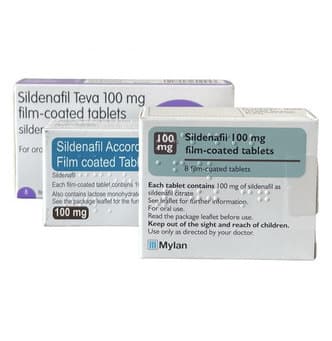
Sildenafil
Prices from: £0.89
It’s a cheaper alternative to Viagra with the same results!
Works in 30-60 mins
Duration: Up to 4 hours
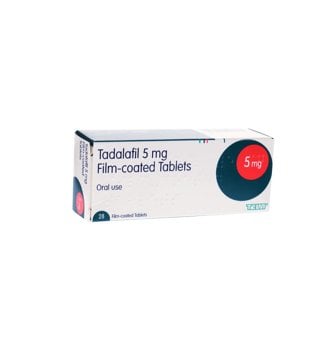
Tadalafil
Prices from £7.49
Cheaper alternative to Cialis with the same results!
Works in 30 minutes
Duration: Up to 36 hours
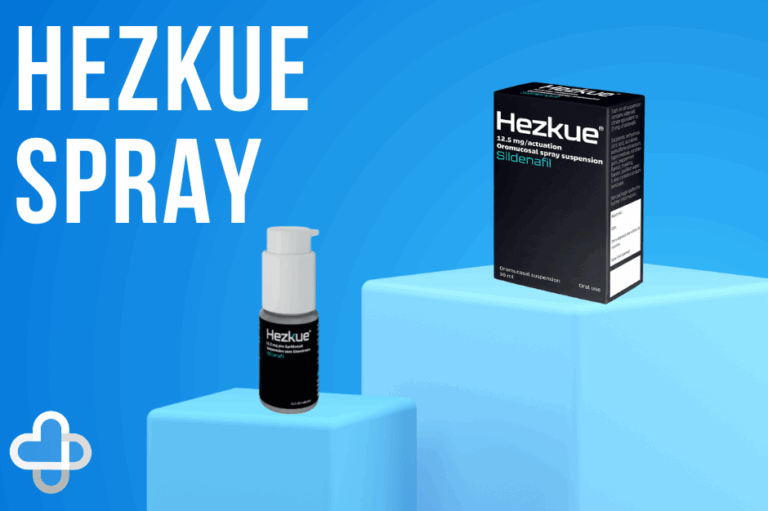
Hezkue Sildenafil Spray
From £2.75 a dose
Five minute absorption compared to Viagra tablets*
First MHRA Licensed ED spray in the UK
Duration: Up to 4 hours
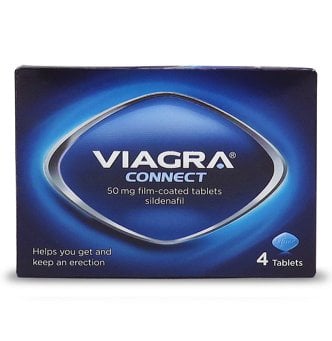
Viagra Connect (Sildenafil)
Prices from: £17.99
Over-the-counter alternative to prescription Viagra.
Works in 30-60 minutes
Duration: Up to 4 hours
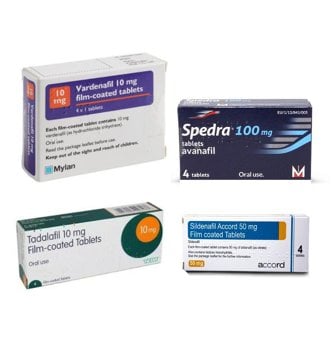
ED Starter Pack
Prices from £59.99
Contains Vardenafil, Spedra, Tadalafil & Sildenafil
Try to find the most effective medication for yourself.
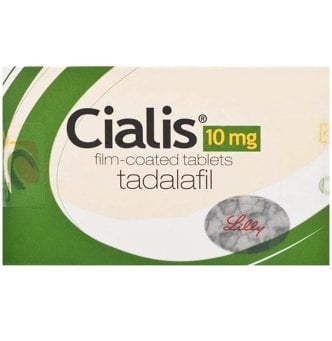
Cialis (Tadalafil)
Prices from £38.99
Longer lasting for people with spontaneous or frequent sex.
Works in 30 mins
Duration: Up to 36 hours
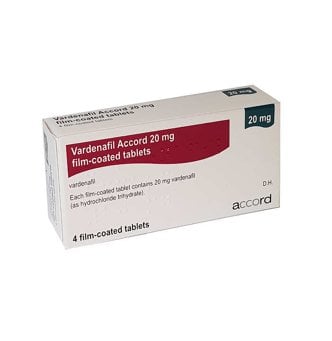
Vardenafil (Levitra)
Prices from £9.99
A cheaper alternative to Levitra with the same results!
Works in 1 hour
Duration: 4-6 hours
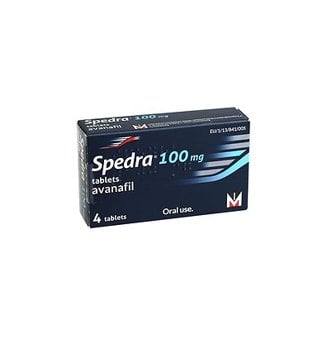
Spedra (Avanafil)
Prices from £19.99
Faster acting alternative to Vardenafil/Sildenafil.
Works in 15 mins
Duration: 4 hours
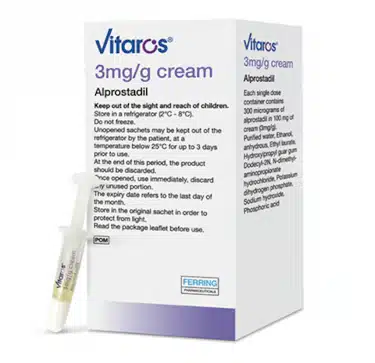
Vitaros Cream
Prices from £59.99
Faster-acting alternative to ED tablets
Works in 5-30 mins
Duration: 1-2 hours
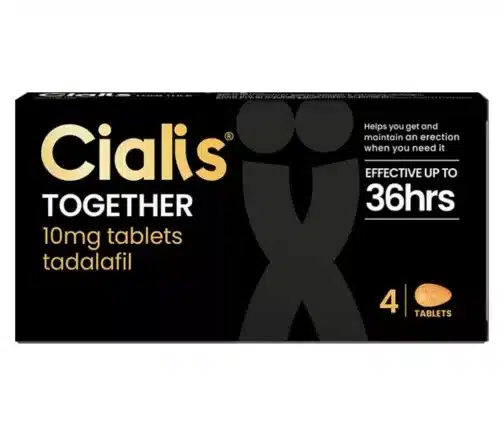
Cialis Together (Tadalafil)
Prices from £15.99
Over The Counter Alternative to Cialis
Works in 30 mins
Duration: 36 hours
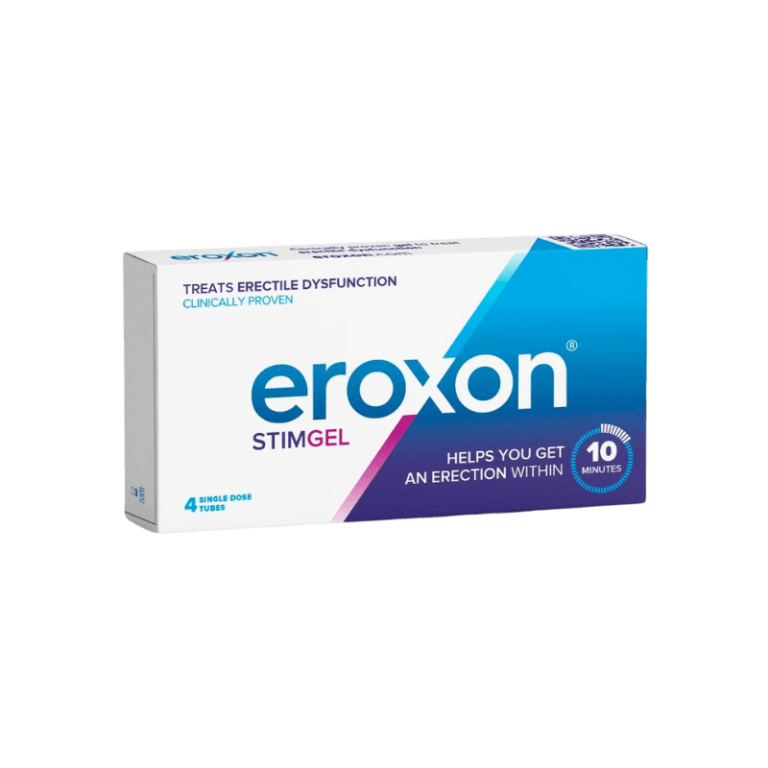
Eroxon Stimgel
Prices from £24.99
Eroxon Gel – a revolutionary product enhancing men’s sexual health and wellness.
Works in 10 mins
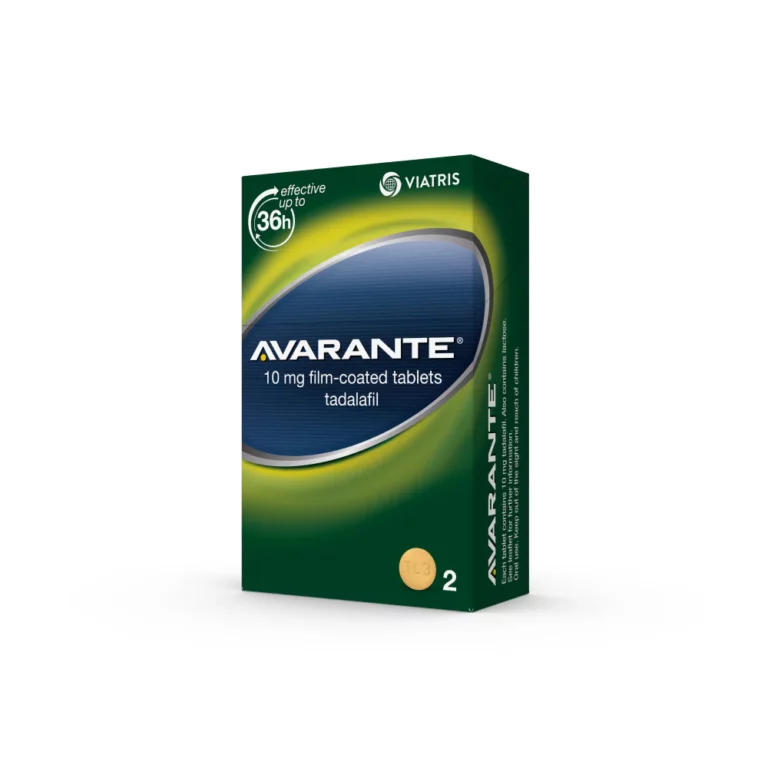
Avarante
Prices from £10.99
Avarante is an over the counter alternative to tadalafil. Contianing tadalafil 10mg.Â
Works in 30 mins
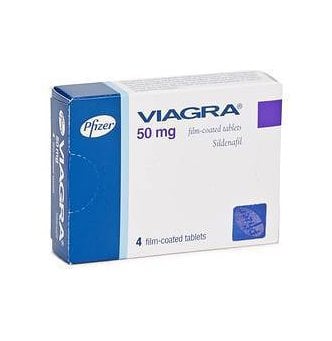
Viagra (Sildenafil)
Prices from: £31.99
The most popular prescription brand for erectile dysfunction treatment
Works in 30-60 mins
Duration: Up to 4 hours
Erectile Dysfunction FAQs
What is erectile dysfunction?
Erectile dysfunction (ED), in its essence, describes the lack of ability to achieve or sustain an erection robust enough for sexual activity. ED is not to be confused with short episodes of reduced sexual performance, which are natural and can happen due to various temporary factors such as fatigue or stress.
For clarity, it’s crucial to draw a distinct line between occasional erectile challenges and continued ED. While irregular issues can be linked to everyday stress, chronic difficulties might indicate ED.
This condition serves as an umbrella for a range of experiences. For some, it means the total incapability to achieve an erection. For others, it’s about being able to get an erection but not keeping it long enough for satisfying sex. And yet, for another group, it could be a significant reduction in the hardness or span of the erection.
The phenomenon of an erection, when examined, is a mix of psychological, neural, and vascular processes. An erectile response starts in the cerebral realm, started either by physical stimuli or by thoughts and fantasies. From here, the baton is passed to the complex nervous system, which then produces vascular events leading to the hardening of the penis.
What causes erectile dysfunction?
ED’s aetiology is multifaceted, with a blend of physical and psychological components:
Physical Causes: Cardiovascular diseases, which diminish blood flow and impede erections; diabetes, known for causing nerve and vessel damage; hormonal imbalances, particularly those involving reduced testosterone levels; and certain medications such as antihypertensives and antidepressants, often lead to side effects that affect erectile function.
Psychological Causes: Mental health conditions, including depression, anxiety, or past traumas, can wield a powerful influence. Modern lifestyles, laden with stress and rapid pace, have exacerbated ED incidences. Furthermore, relationship issues, from miscommunication to distrust, can instigate or exacerbate ED.


Types of Erectile Dysfunction
As we dive deeper, we discover that ED isn’t a one-size-fits-all condition. It manifests in different ways, and understanding these variations is foundational to grasping its full scope.
Primary Erectile Dysfunction: In this type of ED, men have never been able to sustain an erection. It’s relatively rare and often roots more deeply, possibly in severe psychological issues or congenital abnormalities.
Secondary Erectile Dysfunction: This includes men who previously had no trouble achieving and maintaining erections but now find it challenging. It’s the most prevalent form of ED and can be triggered by a myriad of factors.
The distinction between these two types is more than academic. It affects the experience of the individual, potential interventions, and the prognosis of the condition.
What erectile dysfunction treatments are available?
The UK boasts an array of medications, evidence of the advanced biomedical research and healthcare commitment:
Sildenafil (Viagra): Pioneering the revolution against ED, Viagra enhances nitric oxide effects, a crucial compound for penile blood flow. Its efficacy is well-documented, but patients must be wary of potential side effects like headaches or vision changes.
Tadalafil (Cialis): Its longevity, lasting up to 36 hours, has earned it the moniker “weekend pill.” Ideal for men desiring flexibility.
Vardenafil (Levitra) and Avanafil (Spedra): These offer varied durations and onset times, catering to specific needs.
Beyond pills, there are other interventions:
Vitaros Cream: A novel approach where alprostadil, a vasodilator, is applied directly, offering an alternative for those wary of oral medications.
Vacuum Pumps: While mechanical, their efficacy is commendable. Through creating a vacuum, blood is drawn into the penis. A constriction ring then maintains the erection.
Psychotherapy: For men where the mind is the primary barrier, therapy can unravel deep-seated fears or misconceptions, providing a holistic healing approach.
What is the difference between sildenafil, tadalafil, vardenafil and avanafil?
The choice of treatment depends of the frequency of sexual intercourse and response to treatment. Sildenafil, Avanafil and Vardenafil are short acting drugs and are suitable for occasional use when required. Tadalafil is a longer-acting drug which can be used when required but can also be used as a regular lower daily dose to allow for spontaneous sexual activity or in those who have frequent sexual activity.
| Â | Sildenafil/Viagra | Tadalafil/Cialis | Tadalafil/Daily Cialis | Levitra/Vardenafil | Spedra |
| Active Ingredient | Sildenafil | Tadalafil | Tadalafil | Vardenafil | Avanafil |
| Strengths | 25,50,100mg | 2.5,5mg | 10,20mg | 5,10,20mg | 50,100,200mg |
| How long it takes to work | Around 30 – 60 minutes | Immediately (Continuous effect) | 15 – 30 minutes | Around 30 minutes | 15 – 30 minutes |
| How long it lasts | Around 4 hours | Lasts all day | Up to 36 hours | Around 5 hours | Around 5 hours |
| Effect of food | Any food may slow down action and reduce effectiveness | Not affected | Not affected | Any food may slow down action and reduce effectiveness | Any food may slow down action and reduce effectiveness |
How do erectile dysfunction medication work?
To understand how ED medication works, it’s helpful to know a bit about the physiological process of achieving an erection and the role played by certain chemicals in our body.
When you are sexually stimulated, your nervous system releases nitric oxide into the blood vessels of the penis. Nitric oxide triggers the production of a molecule called cyclic guanosine monophosphate (cGMP). cGMP is crucial because it helps to relax the smooth muscle cells in the penis, allowing the blood vessels to expand and fill with blood. The increased blood flow causes the penis to become erect.
However, the body also produces an enzyme called phosphodiesterase type 5 (PDE5) which breaks down cGMP. If too much cGMP is broken down by PDE5, it can prevent or reduce the firmness and duration of an erection.
This is where ED medications comes into play. ED Medications are a PDE5 inhibitor. It works by blocking the action of PDE5, allowing cGMP levels to remain high and thereby promoting and maintaining an erection in response to sexual stimulation. Essentially, ED medications helps enhance the natural process that leads to an erection by ensuring that the chemical messengers which promote it remain active for a longer period.
It’s important to note that ED medications do not cause erections by itself. It only works when one is sexually aroused.Â
What if the treatment doesn't work?
A patient with ED should try an individual medication over six separate occasions at the maximum dose (if tolerated) with sexual stimulation before being classified as a non-responder. Make sure you read the patient information leaflet carefully as there may be hints and tips on how to use your medication correctly or feel free to call us for some advice. However, there can be occasions where the treatments don’t work or suit you. In this case we would recommend you see your GP for further advice.
What lifestyle changes can I make to help with erectile dysfunction?
ED is often a symptom of broader lifestyle issues:
Diet and Exercise: The Mediterranean diet, replete with whole grains, fruits, and olive oil, has been linked to improved ED symptoms. Additionally, regular physical activity, especially cardiovascular exercises, can enhance blood flow and overall health.
Alcohol and Tobacco: Both are vasoconstrictors, impeding blood flow. Limiting or eliminating their consumption can bear significant benefits.
Stress Management: Techniques like mindfulness, meditation, or yoga offer sanctuaries from the relentless pace of modern life, ensuring mental tranquillity.
Where can I get more information for erectile dysfunction?
The Sexual Advice Association: A sanctuary for those grappling with sexual health concerns.
Relate: Providing insights into relationship intricacies and potential resolutions.
NHS Website: A repository of information, ensuring patients remain informed and empowered.
If you need any help or advice, feel free to contact us at enquiries@thefamilychemist.co.uk or your GP.
Alternatively, you can read our erectile dysfunction blogs.
ED risk factors shared with other conditions
ED’s vascular nature links it to other conditions. Its coexistence with cardiovascular diseases is noteworthy; both are manifestations of vascular health. Diabetes, with its notorious blood vessel and nerve damage, is another comorbidity. Furthermore, hypertension’s chronic arterial damage often culminates in ED.
Read our blog on the effects of vaping on erectile dysfunction.
Patients experience with erectile dysfunction
Beyond the physiological, ED casts long shadows on psychological and emotional terrains. In many cultures, virility and sexual prowess are intertwined with notions of masculinity. Thus, ED often carries with it a weighty baggage of perceived inadequacy, embarrassment, and reduced self-worth.
For many men, ED becomes an albatross around their necks, affecting not just intimate relationships but also seeping into daily life, impacting mental well-being, and straining interpersonal dynamics.
Younger men, contrary to popular belief, aren’t shielded from ED. While age does play a role in the incidence of ED, factors such as stress, modern lifestyles, and societal pressures make younger men susceptible too. Their experiences, shaped by the vigor and expectations of youth, can be particularly jarring, given the cultural premium on youthful prowess.
The silent specter of ED often looms large, casting doubt, seeding insecurities, and sometimes even leading to avoidance of intimate situations. It’s a ripple effect, where the physiological impacts the psychological, which in turn can exacerbate the physiological.
Read more on Erectile Dysfunction
GPhC Registered
Free Delivery (Orders Over £20)
Confidential & Discreet
How It
Works?
1. Consultation
Fill out a quick, free online questionnaire for the condition you may have
.
2. Treatment
Choose your preferred treatment and proceed to checkout.
3. Assessment
Our clinicians review your information and may follow up if needed.
4. Delivery
Your medication is approved and delivered quickly in discreet packaging.
1. Consultation
Fill out a quick, free online questionnaire for the condition you may have.
2. Treatment
Choose your preferred treatment and proceed to checkout.
3. Assessment
Our clinicians review your information and may follow up if needed.
4. Delivery
Your medication is approved and delivered quickly in discreet packaging.
How to
How It Works
Join our newsletter
Sign up to enjoy regular updates, exclusive promotions, and special offers, plus 15% off your first order.