





Eating Well on a Plant Based Diet for Veganuary 2026
Happy New Year 2026! As we kick off the new year, many people will turn their minds to New Year’s resolutions. From learning an instrument to kicking old habits, the new year is a great time to reflect on our existing routines and try something new. One way many people choose to change up their diet is by taking part in Veganuary.
Veganuary is a popular opportunity to explore a plant-based diet. However, it’s important to note that diving into a new way of eating is a big step. It’s not about perfection; it’s about curiosity, balance, and learning what works for your body (and your tastebuds).
Eating Well
Despite popular belief, a plant-based diet does not automatically mean it’s healthier. Eating well on a plant-based is not just about food choice, but also food preparation and food balance.
When it comes to the food we choose on a plant-based diet, whole foods form the foundation of a balanced approach. They provide fibre, vitamins, and minerals to support digestion and energy levels, all while being naturally low in sugars and fats. How we prepare these foods can further their nutritional value.
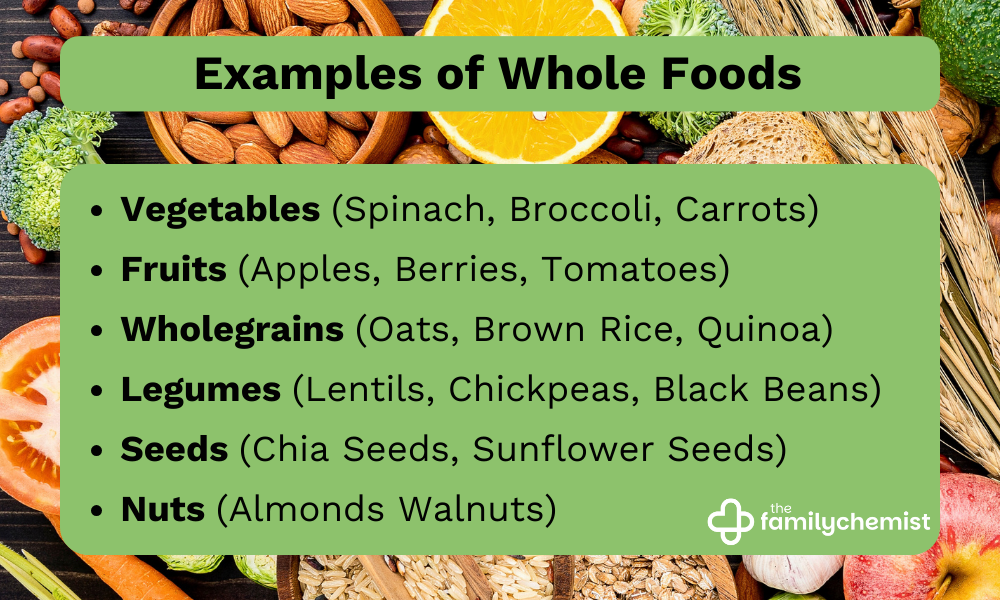
Simple preparation techniques such as soaking beans, lentils, and pulses before cooking, can improve how easily nutrients are absorbed by the body, making them easier to digest. This can help reduce bloating and support better absorb protein.
Another helpful approach is combining complementary foods. Pairing carbohydrates with proteins helps balance meals and supports absorption. Including vitamin C-rich foods such as peppers, citrus fruits, or tomatoes alongside iron-rich foods like lentils and spinach can enhance iron absorption.
Key Nutrients
Thinking carefully about what you eat is key to making sure you don’t miss out on those key nutrients. Some nutrients might require a little more attention on a plant-based diet and may need a little ‘outside the box’ thinking to ensure you stay healthy.
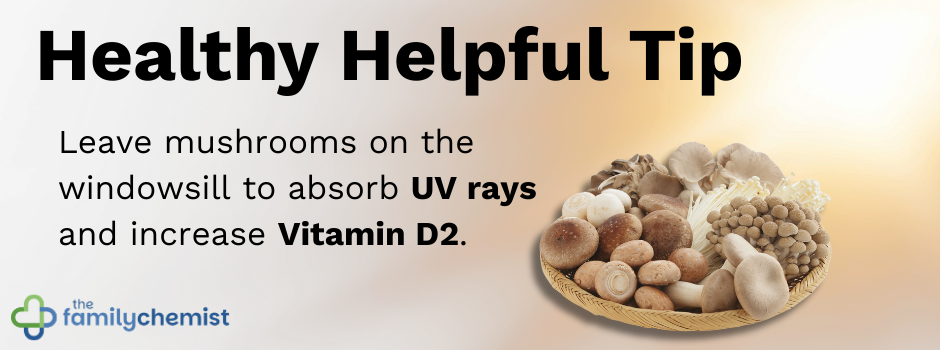
Vitamin D2 and D3 can be harder to obtain on a plant-based diet. However, mushrooms are a fantastic source of vitamin D2. These small, delicious powerhouses soak up the natural vitamin D from sunlight and store it.
Vitamin B12, iodine, and selenium can also be harder to obtain from plant-based foods alone. Choosing fortified foods such as plant milks and cereals can help to ensure that you are still getting these nutrients in your diet.
In some cases, this dietary shift can lead to deficiency that supplements can help replace. While it’s always best to obtain these nutrients through food where possible, supplements can be a great way to support your health while adapting to a new diet.
At The Family Chemist, our on-site nutritionist is here to advise and support your dietary wants and needs. Assessing your individual requirements and recommending suitable food options to help you eat healthier and feel happier with what’s on your plate. Particularly if you’re trying a new way of eating.

Being Realistic
Trying a new way of eating can feel exciting but at times overwhelming, especially when committing to a full month. There is no single ‘correct’ way to take part in Veganuary. Even starting with one plant-based meal a day is a great introduction to plant-based eating and a way to be more mindful about what you consume. Trying just a few meals per week may feel more manageable.
Setting realistic expectations around food allows flexibility and reduces pressure. Discovering new foods should be enjoyable, not overwhelming. Small, consistent changes are often more effective than drastic restrictions. During these colder months, changes in routine, mood, and appetite are normal. So, if you’re finding food stressful this season, be flexible and kind to your body. Make sure you stay healthy and nourished.
Cost
One common concern around plant-based diet is the cost. An understandable worry when switching to meat alternatives such as Quorn or Beyond Meat, which can be pricey. These alternatives can also be high in sugar, salt, or fat. Instead of swapping meat for processed alternatives, try exploring completely new recipes.
Look to cuisines that already centre around plants, which can help keep costs down while adding variety to mealtimes. Indian, Chinese, Middle Eastern, and Mediterranean dishes often reply on pulses, vegetables, and grains making them a fantastic fit for Veganuary. Many of these dishes are either already completely plant-based or can be easily adapted to make them so.
The Bottom Line
Whether you’re simply curious about plant-based eating or planning a longer-term change, Veganuary is a great opportunity to have fun discovering new dishes and try something different. Whether you swap out one meal a day or take the full plunge, make sure you’re staying healthy and nourished this Veganuary.
Let Veganuary inspire you to explore new cuisines and create some new recipes. You might even discover a new family favourite.
Veganuary 2026 doesn’t have to be about doing everything at once. It’s about learning, exploring, and finding an approach that fits your lifestyle, your health, and your goals.
So, let’s make plants the star rather than the supporting characters.