





 Our last order date 19 December 2025.
 Branded Vs Generic Medication – What’s Best for Over the Counter Treatments?
We’ve all heard of Nurofen, Panadol, and Opticrom. But do we really know what’s actually in these over-the-counter medicines? Ibuprofen, paracetamol, and sodium cromoglicate respectively are the true powerhouses behind the brands. So, what more is there in these brands to warrant the higher price you pay? Often, not much beyond the packaging and the price tag. So why do we still gravitate towards well-known names when the active ingredients are the same? Are we really paying for better quality, or just clever marketing? And in today’s cost-of-living crisis, is it time to look more closely at our medication costs, or is one area we shouldn’t compromise on?
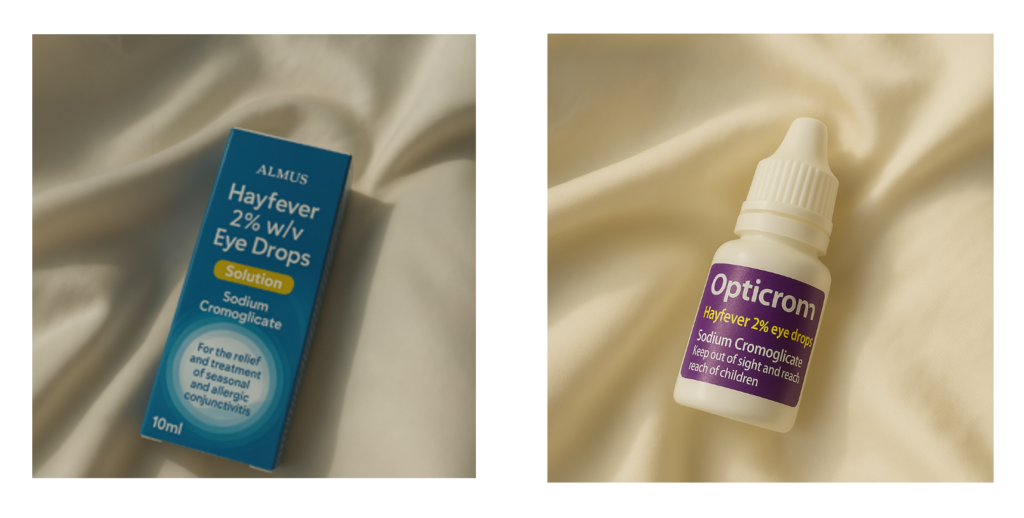
What are Generic Medications and Branded Medications?
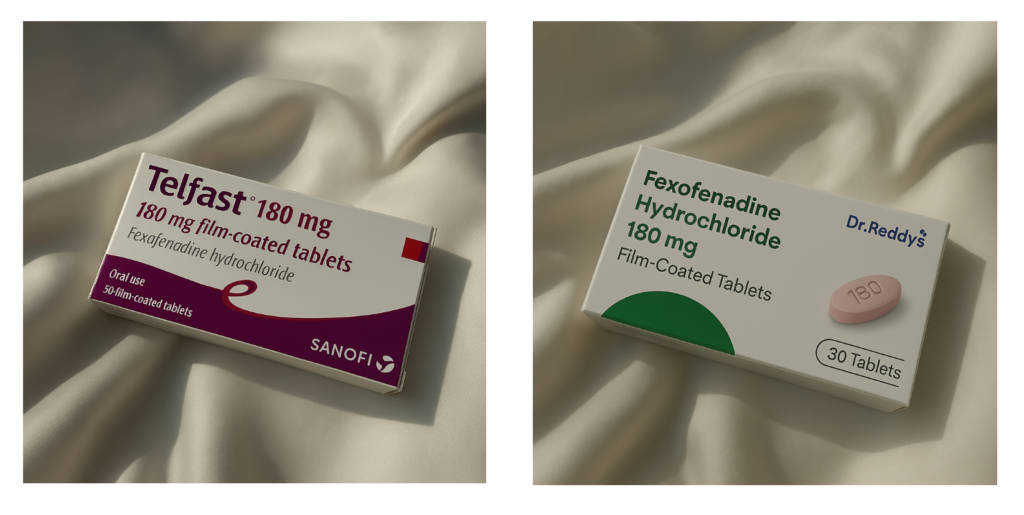
When a new medication is developed, it must first undergo rigorous testing to ensure it’s safe, effective, and suitable for patients to take. Once approved, the original manufacturer is granted exclusive rights – known as a patent – which ensures that they are the only company allowed to produce and sell that medication for a certain period of time. These medications are often given a fancy brand name to make them more memorable. However, each of these branded medicines also have a generic name. This refers to the active ingredients within the medication, without any branding. For example, paracetamol (the generic name) was first marketed in the UK under the brand name Panadol, or Tylenol in the US.
Once the patent for a branded medication expires, other companies are allowed to produce and sell their own generic forms. That’s why you’ll now find generic equivalents of paracetamol and other medicines produced by several manufacturers both pharmaceutical, as well as on shelves under supermarket brands like ASDA and Tesco. Studies have found that generic medication options cost an average of 85% less than their branded alternatives.
Are Generic Medications Less Effective?
Generic medications must be a bioequivalent of their branded counterpart. This means they share the same active ingredient, be the same strength, and must offer the same benefits as the original.
They can differ, however, on pretty much everything else. From inactive ingredients (fillers, colourings, binding agents), appearance, packaging, and marketing. While most people can switch between branded and generic medications without issue, some may react to these differences. Due to allergies to fillers, differences in size and shape, or coatings, which can make the medicines less effective despite having the same active ingredient.
Yet, research has shown that people are twice as likely to take medications for their ailments when they’re cheaper, because they find it more affordable. Treating their illnesses rather than suffering (and often spreading) symptoms. A much more effective treatment than no treatment at all.
‘Period Pain’, ‘Fast Acting Pain Relief’
Branded medications such as Nurofen or Panadol have a variety of products advertised as ‘fast acting’ or tailored for specific pains such as ‘period relief’. But in many cases, the only real difference is the label. These products usually contain the same active ingredients as both the standard branded versions, and even generic alternatives. Catchy words and treatment promises can entice a person to pay the extra price, but the added relief can be more psychological than pharmaceutical.
The Bottom Line
Generally speaking, there is little difference between the generic and branded forms of over the counter medications in terms of how well they work. All approved medications in the UK (branded or generic) must meet strict safety and effectiveness standards. Generic medicines offer the same clinical benefits, usually at a much lower cost. While some people may prefer to stick with a familiar brand, it’s worth checking the label to see what you’re really paying for. You might be surprised to see you’re paying the extra for packaging, not the product.