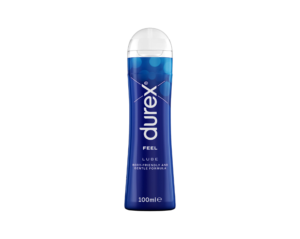
Personal lubricant, usually called lube, reduces friction during sex and masturbation. It can make things more comfortable when you’re having vaginal or anal sex, using a toy, masturbating, or when natural lubrication is low. The World Health Organisation recognises lubricants as a way to support sexual comfort and wellbeing during sexual activity.
There’s no single “best” lube. The right one depends on what you’re using it for, whether condoms or toys are involved, whether you’re trying to conceive, and how easily your skin gets irritated.
For most people, a water-based lubricant is a sensible place to start. It’s versatile, washes off easily, and works with most condoms and toys. Silicone-based lube lasts longer and may be a better choice for anal sex or sex in water. Oil-based products need more caution because they can damage latex condoms. WHO condom guidance recommends water- or silicone-based lubricant with condoms.
What lube actually does
Lube adds a slippery layer between skin, condoms, fingers and toys, which reduces friction. It can make sex and masturbation more comfortable, and plenty of people use it simply because they prefer how it feels.
Natural lubrication varies from person to person and can change with sexual arousal, hormones, medicines, pregnancy, breastfeeding and menopause. Using lube does not mean someone isn’t sexually aroused.
The three main types of lube
Most lubricants are water-based, silicone-based or oil-based. Some products are hybrids containing more than one type.
Water-based lube
Water-based lube is the all-rounder. It generally works with latex condoms and most toys, and it rinses easily from skin and sheets.
The main drawback is that it tends to dry out faster than silicone-based lubricant, so you may need to add more during sex.
Formulations can vary considerably between brands. Ingredients, pH, and osmolality can all influence the characteristics of a water-based lubricant, which may matter if you’re prone to irritation. A clinical study published in The Journal of Sexual Medicine examined pH, osmolality, effectiveness and tolerability across several water-based lubricants.
Silicone-based lube
Silicone-based lube stays slippery longer and doesn’t wash away easily in water. It may therefore be a better choice for:
- anal sex
- longer periods of sexual activity
- significant dryness
- sex in the bath or shower
- situations where water-based lube dries out too quickly
Silicone-based lubricants are generally compatible with latex condoms. WHO guidance on condoms recommends water- or silicone-based lube with condoms.
However, some silicone lubricants may not be suitable for certain silicone sex toys. Check the instructions supplied with both the toy and lubricant rather than assuming they are compatible.
Oil-based lube
Oil-based lubricants last a long time, but they should not be used with latex condoms. Oil can weaken latex and make the condom more likely to break or slip. This is reflected in WHO lubricant guidance.
This can include:
- petroleum jelly
- baby oil
- massage oil
- cooking oils
- oily body lotions
- purpose-made oil-based lubricants
If you’re using a latex condom and are unsure whether a lubricant is suitable, check the packaging. You can browse The Family Chemist’s sexual health range, including condoms and lubricants for purpose-made products.
Water-based or silicone: which is better?
Neither is automatically better; it depends on how you’re using it.
Water-based lube is the simplest everyday option because it works with most condoms and toys, and it’s easy to clean up.
Silicone lube may be a better choice for anal sex, sex in water, longer sessions, or when water-based lubricant dries out too quickly for comfort.
Lube for vaginal sex
For most people, a water-based lubricant made for intimate use is a sensible starting point. Apply it around the vaginal opening and onto whatever is involved, such as a penis, fingers, condom or compatible toy. Add more if things begin to feel dry or uncomfortable.
If a water-based product regularly dries out too quickly, a longer-lasting silicone lubricant may suit you better.
If vaginal dryness keeps happening, it can be worth looking at the cause rather than relying on lubricant alone. Possible causes include hormonal changes, breastfeeding, menopause, certain medicines, lower sexual arousal and some health conditions. NHS guidance on vaginal dryness also recommends seeking medical advice when vaginal dryness persists despite self-care.
Menopause and vaginal dryness
As oestrogen levels fall during and after menopause, vaginal tissues can become drier, and sex may become uncomfortable. Lube helps reduce friction during sex in the short-term.
Vaginal moisturiser works differently; it is used regularly rather than only immediately before sex and is designed to provide longer-lasting relief from vaginal dryness. The NHS lists both water-based lubricants and vaginal moisturisers as self-care options.
The Family Chemist stocks Vagisil ProHydrate Internal Moisturising Gel, a hormone-free vaginal moisturising gel for vaginal dryness.
For persistent menopausal symptoms, vaginal oestrogen may also be appropriate for some people. NICE menopause guidance says vaginal oestrogen can be used on its own or alongside non-hormonal moisturisers or lubricants for genitourinary symptoms associated with menopause.
We offer Estriol Vaginal Cream and have a range of HRT and menopause treatments.
If dryness continues despite self-care or is affecting your everyday life, speak to a pharmacist or GP. NHS vaginal dryness guidance explains when to seek medical advice.
Lube for masturbation
There is no medically “correct” lubricant for masturbation, so this is mostly a matter of personal preference. Water-based lubricant is easy to clean away. Silicone-based lubricant lasts longer and generally needs less reapplication.
If you’re using a sex toy, check that the lubricant is compatible with the material the toy is made from.
Lube with sex toys
Water-based lubricant is generally the safest default for sex toys because it is compatible with many different materials. Some silicone lubricants may affect the surface of certain silicone toys, so check the manufacturer’s instructions before using them together.
Toy materials vary, so it is better to check the specific product guidance than rely on a blanket rule.
Lube for anal sex
Because the anus does not naturally lubricate for penetration, using plenty of lubricant is particularly important for reducing friction and improving comfort.
Both water-based and silicone-based lubricants can be suitable. A thicker water-based gel or longer-lasting silicone product may require less frequent reapplication.
If you’re using condoms, make sure the lubricant is compatible with the condom material. WHO guidance recommends water- or silicone-based lubricant with condoms and says plenty of lubricant should be used during anal sex.
If penetration starts to hurt, stop. Add more lubricant and only continue if it feels comfortable.
Which lubes are safe to use with condoms?
For latex condoms, use a water- or silicone-based lubricant labelled as condom-compatible. Avoid oil-based products because oil can weaken latex and make condoms more likely to break, slip or come off. WHO condom guidance explains this compatibility advice.

Not every condom is made from latex, so always check the instructions supplied with both the condom and lubricant.
An appropriate lubricant reduces friction. The WHO notes that lubricant makes a condom less likely to break, slip or fall off. Lubricant itself is not a contraceptive and does not protect against sexually transmitted infections.
The Family Chemist’s sexual health range includes condoms and purpose-made personal lubricants.
Lube if you have sensitive skin
If you’re prone to irritation, keeping things simple can help. Look for a lubricant that is:
- made specifically for intimate use
- fragrance-free if fragrance irritates you
- compatible with the condoms or toys you use
Two labels can sometimes be misleading. “Natural” doesn’t automatically mean a lubricant will be gentler, and a long ingredient list doesn’t automatically mean a product will be irritating.
What matters is the formulation and how your body responds. Stop using a lubricant if it repeatedly causes lasting burning, itching, swelling or irritation.
What does pH mean?
pH describes how acidic or alkaline something is. The vaginal environment is normally acidic during the reproductive years, although vaginal pH can vary with factors such as age, menopause and some health conditions.
Lubricants intended for vaginal use may therefore be formulated with the vaginal environment in mind. Older WHO/UNFPA technical guidance discusses pH alongside lubricant composition, while current technical specifications emphasise product compatibility and safety.
A product labelled “pH balanced” does not tell you everything about how well you will tolerate it. The overall formulation still matters.
What is osmolality?
Osmolality describes how concentrated a liquid is, based on the amount of dissolved material it contains.
When a water-based lubricant is highly hyperosmolar, it can draw water out of its cells. Lab evidence has raised concerns that very high-osmolality formulations may irritate or disrupt vaginal and rectal tissue. Research in The Journal of Sexual Medicine discusses these formulation characteristics and tolerability.
WHO/UNFPA procurement specifications use an osmolality limit of 1200 mOsm/kg for water-based personal lubricants. You can read the WHO/UNFPA technical specification for full details.
You do not need to memorise this figure when shopping for lubricant. If you’re prone to irritation and a manufacturer provides osmolality information, a lower-osmolality product may be worth considering.
Whatever the numbers say, stop using a product if it causes persistent burning, stinging or irritation.
The glycerin question
You may have seen claims online that everybody should avoid glycerin because it “causes thrush”. That is too simplistic.
Glycerin is found in some water-based lubricants. It can affect the lubricant’s concentration, but it is only one part of the overall formula. WHO technical guidance looks at the balance of ingredients in the whole product, rather than saying glycerin itself is a problem.
If a particular lubricant repeatedly causes burning, irritation or discomfort, stop using it and consider trying a different formulation.
If you regularly experience symptoms you think are thrush, it is also worth checking that thrush is actually the cause. Vaginal symptoms can have several possible explanations. The Family Chemist’s guide, Do I Have Cystitis, Bacterial Vaginosis (BV) or Thrush?, explains some of the differences.
Can lube cause thrush or BV?
There is not good evidence for saying that personal lubricant “causes thrush” or bacterial vaginosis in everyone who uses it.
Different formulations can behave differently, and research has raised questions about very high osmolality. The Journal of Sexual Medicine study provides useful context on lubricant composition and tolerability.
But symptoms such as itching, discharge, irritation and odour have several possible causes. If they keep coming back, don’t assume switching lubricants will necessarily solve the problem. A pharmacist, GP or sexual-health clinic can help work out what is causing the symptoms.
Lube when you’re trying to conceive
Some commonly used lubricants have been shown to reduce sperm movement in laboratory studies. However, this does not necessarily mean that using lubricant reduces your real-world chance of conception.
The American Society for Reproductive Medicine notes that while some lubricants adversely affect sperm parameters in laboratory testing, studies involving couples trying to conceive have not found lubricant use to reduce cycle fecundability compared with not using lubricant.
If you’re trying to conceive and regularly need lubricant, choosing one labelled fertility-friendly or sperm-compatible is a reasonable precaution.
Hydroxyethyl cellulose-based lubricants are one option because they have not demonstrated adverse effects on semen parameters in the evidence reviewed by ASRM.
If you’ve been trying to conceive for the length of time recommended for your age and circumstances without success, speak to your GP.
Can I use Vaseline as lube?
Petroleum jelly is oil-based, so it shouldn’t be used with latex condoms because oils can weaken latex. WHO condom guidance recommends water- or silicone-based lube when condoms are used.
The NHS also advises against putting creams, lotions or moisturisers that are not designed for vaginal use inside the vagina because they can cause additional irritation or infection.
A product specifically made as an intimate lubricant is a more predictable option.
Can I use coconut oil as lube?
Coconut oil is sometimes used as a lubricant, but because it is oil-based, it shouldn’t be used with latex condoms. Purpose-made personal lubricants are generally a more predictable option for intimate use because they have been formulated for that purpose.
Can I use saliva as lube?
You can use saliva, but it provides temporary moisture and dries quickly, making it less reliable for reducing friction. A purpose-made lubricant will usually provide better lubrication.
Can I use body lotion or moisturiser as lube?
Body moisturisers, hand creams and other skincare products are not necessarily designed for vaginal or anal use. The NHS advises against using creams, lotions, and moisturisers not intended for vaginal use because they can cause further irritation or infection.
Choose a personal lubricant designed for intimate use instead.
Lube vs vaginal moisturiser
Lube and vaginal moisturiser serve different purposes.
Lubricant is usually applied before or during sex to reduce friction.
Vaginal moisturiser is used regularly to help manage ongoing vaginal dryness.
Some people use both. If dryness is related to menopause and does not improve with self-care, other treatments such as vaginal oestrogen may be appropriate for some people. NICE recommends non-hormonal lubricants and moisturisers as options and says vaginal oestrogen can be used alongside them where appropriate.
At The Family Chemist we offer Vagisil ProHydrate Internal Moisturising Gel as a hormone-free option.
How to use lube
Start with a small amount and apply it wherever there is friction, such as the genital area, fingers, a condom or a compatible toy. Add more as you need it.
There is no single “right” amount. Too much may make things more slippery than you would like, so start with a smaller amount and increase it gradually.
If a product repeatedly stings or burns, wash it away and stop using it.
When to see a pharmacist or doctor
Lube can improve comfort, but if pain or dryness keeps returning, lubricant alone may not solve the problem.
Speak to a healthcare professional if:
- vaginal dryness lasts for several weeks despite self-care
- sex is regularly painful
- you bleed after sex
- you bleed between periods
- you have bleeding after menopause
- you notice unusual vaginal discharge
- genital itching or burning keeps coming back
- you have persistent genital or pelvic pain
The NHS specifically recommends seeing a GP when vaginal dryness persists for several weeks despite self-care, affects daily life, or is accompanied by unusual discharge or bleeding after sex, between periods or after menopause.
These symptoms can have causes that need proper assessment or treatment.
FAQs
Which lube is best for everyday sex?
Water-based lubricant is a sensible first choice for most people because it is versatile, easy to clean and compatible with most condoms and toys.
Is silicone lube safe with condoms?
Yes. Silicone-based personal lubricants are generally compatible with latex condoms. WHO guidance lists water- and silicone-based products as suitable options. Always check the instructions for both products beforehand.
Is silicone lube safe with silicone toys?
Not always. Some silicone lubricants may affect certain silicone toys. Check the manufacturer’s guidance for your particular toy and lubricant.
Is oil-based lube safe with condoms?
Not with latex condoms. Oil can weaken latex and increase the chance of a condom breaking or slipping.
Can men use lube?
Yes. People of any sex or gender can use lubricant, whether alone or with a partner and whether or not vaginal dryness is involved.
Can you use too much lube?
There is no set maximum amount for ordinary personal lubricant. Past a certain point, it may simply feel more slippery than you want. Start with a smaller amount and add more when needed.
Why does lube sometimes burn?
Burning can happen when your skin or genital tissue does not tolerate a particular product or formulation. Stop using a lubricant that causes lasting discomfort. If burning keeps returning, see a pharmacist or your GP because another cause may need assessment.